
Render Unto the Body

Render Unto the Body
The Things Which are the Body’s
Modern society governs sexual activity in such ways that as humans, we have become too inhibited about the topic to handle our erotic responses “naturally”.
By Mileyda Menéndez Dávila
July 27, 2012
Translated and edited by Walter Lippmann for CubaNews.
Is sex dirty? Only when it’s done the right way.
— Woody Allen
Seeking sexual satisfaction is one of our basic drives as humans, and masturbation is our first natural sexual activity; it’s the way we discover our eroticism, learn to respond sexually, gain self-confidence and build self-esteem, according to therapist Betty Dodson, author of the book Sex for One that we e-mailed to you some months ago.
In her opinion, modern society governs sexual activity in such ways that as humans we have become too inhibited about the topic to handle our erotic responses “naturally”.
Sexual skill has to be learned from practice, she says. The first step to enjoying orgasm is learning to like our own genitals, particularly in the case of women, who have been compelled for centuries to see themselves as sexless mothers and domestic-slaves.
There’s not a “right” or “better” way to have sex, especially if we repress our desires or fantasies for the sake of vaginal sex as the only proper kind of sex and reproduction as love’s ultimate purpose.
We can get pleasure out of touching our own body without feeling guilt, even in front of our partner, Dodson recommends. Couples seldom feel the urge at the same time, but sometimes all either one of them has to do is start with self-caressing for the other to become aroused and follow suit. And if not, well, the one who started will at least satisfy his or her sexual urge, which is fun, since neither of them has to restrain themselves or feel obliged to do something against their will.
Cultivating pleasure leads to more of it. Masturbating together provides a wider range of possibilities to experience new things and first-hand knowledge about what our partner prefers and, at what rate, by paying attention to their reaction as we caress their erogenous zones.
Our psychological intimacy grows as well when we are free to speak our mind and feel less compelled to meet the other’s needs all the time.
Many of Dr. Dodson’s patients admitted being very tense when they didn’t feel like having sex. Thinking a simple “No, thanks” was out of the question, they would start an argument instead, as the best way to stay clear of their partner’s advances, which would eventually do more harm than good to their relationship.
Such a negative attitude toward things erotic has been culturally induced. Behind most stories people tell their therapists or discuss in the media is a great deal of needless suffering caused by ignorance.
This lack of knowledge about their genitals and how to stimulate them has led women to think they’re less a person than their partner and in many cases to fake their orgasms, which gives them a sense of being trapped in a big sexual lie.
Once they get to bringing down the cultural barriers and agreeing from the beginning of the relationship that all orgasms are equally valid, they will suffer less and spare their significant other the trouble of striving to make them feel satisfied with penetration.
If a woman can masturbate to orgasm, she is orgasmic, Dr. Dodson points out. Men call frigid a woman who fails to reach orgasm in the traditional position, in a matter of minutes, and the way he likes. But very few women will climax like that, mainly if their center of pleasure par excellence –the clitoral area– is not caressed. Can males by any chance have orgasms without stimulating their glans?
A massage with no strings attached
Having orgasms is not a requisite to enjoying love, but those who never have them will hardly ever take a positive stance towards sex. If you feel obliged to pretend you’re having a good time just to keep your partner happy or avoid his/her demands for more intercourse the hopeless way, your relationship is sure to pay for it and you will start living in a constant state of anxiety.
Sexual repression and distress take a toll on both sexes. Sometimes men also force themselves to penetrate their partner even if they’re not in the mood only because “they’re supposed to” or for fear of being dumped. However, specialists worldwide agree that when we’re too tired or tense to have sex it’s better to forget about it and get a good massage instead.
No one expects to have orgasms from or get turned on by a massage, so it’s safe to ask your partner for one. You only have to let yourself be carried away with the feeling and loosen up to enjoy such a sensual, relaxing rub that gives a good lift without demanding a sexual response in return.
Dr. Dodson assures us that modern men and women are always on edge because they “pretend” all the time and play multiple roles in their jobs, families, communities… Not everybody looks for a chance to leave the “stage”, stop thinking and find a little time to feel without any obligation to fulfill other people’s needs.
Therefore, whenever she works with couples who have been together for a long time, she advises massage and masturbation, stressing that when we stop doing the same old things in the same old positions, a new erotic experience is likely to open up new horizons to our intimacy, and without any pressure.
===================
Libro completo en español gratis pdf
https://tonina.net/index.php/es/categorias/libros-de-fisica/item/18877-sexo-para-uno-el-placer-del-autoerotismo-pdf-betty-dodson
30 Years After…
The Chernobyl Tragedy 30 Years After the Cuban Medical Program PART I
Published in Latin American Summary
By Maribel Acosta Damas y Roberto Chile
March 27, 2020
Translated and edited by Walter Lippmann for CubaNews
Photos by Roberto Chile included here. Please copy.
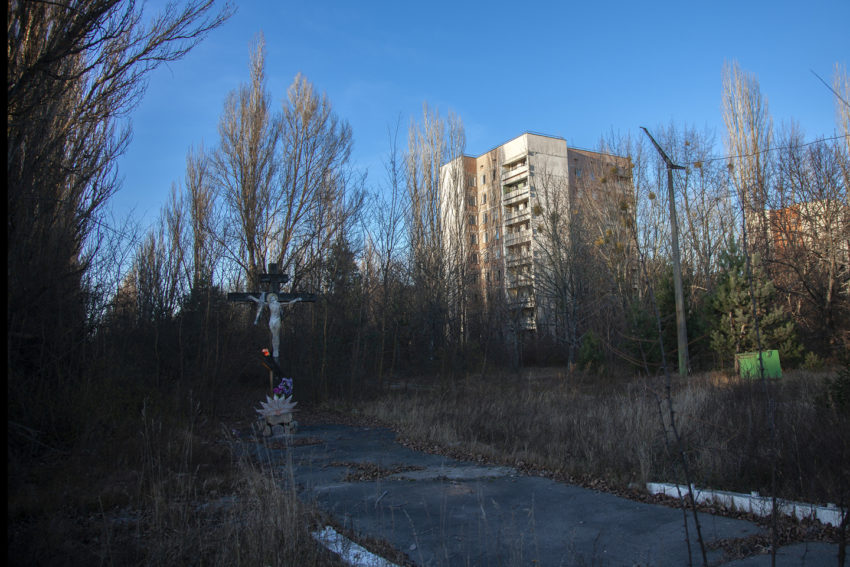
In the early morning of April 26, 1986, the fourth reactor at the Chernobyl Nuclear Power Plant, two kilometers from the scientific city of Pripyat, exploded. The tragedy shook Ukraine, Belarus and Russia fundamentally. The radioactive cloud reached the whole of Europe. It began the pilgrimage of hundreds of thousands of people. Some experts describe this date as the entrance to the 21st century.
But at the same time something else was happening that would transform the lives of millions of human beings and change the map of the world forever: the fall of the Berlin Wall and the disintegration of the USSR decreed a new era.
At Chernobyl, more than a hundred villages were left desolate. The thriving city that was Pripiat became the ghost of itself. Even today it is shocking to look at it. A couple of years after the accident, the illnesses caused by radioactivity began to appear. With no strength to face the tragedy, with weakened governments and health systems, the people of the former Soviet Union turn to the world for help. It barely arrived, meager, fragmented.
A country sends doctors to Ukraine, looks at the pain, works with Ukrainian doctors to select the sickest, and on March 29, 1990 at 8:46 p.m. the first group of children from the then still USSR arrives to be treated in that other country. A man welcomes them on the steps of the plane and holds out his hand one by one, according to Dmitri, the boy from Pripyat who was on that flight, the son of the liquidator who died at Chernobyl.
On that day at the end of March, the longest humanitarian programme in the history of the world began. And for 21 years in a row, more than 26,000 children from Russia, Belarus and Ukraine received free medical care at Tarará, a wealthy resort that would later be passed on to the children of that island and then generously donated so that other children, sick in body and soul, would be healed. All the medicines and scientific discoveries of that island were made available to them. The vast majority were healed.
Today, we return to Chernobyl, to Pripiat, we go back to the places (as far as we are allowed because of the care of radiation), we stop in front of them, we look at the pain, which remains; we observe where everything began and we go thinking about those who gave shelter, those who were saved and the saviors, the people who gave the hug, the man on the plane’s ladder: Cuba and Fidel.
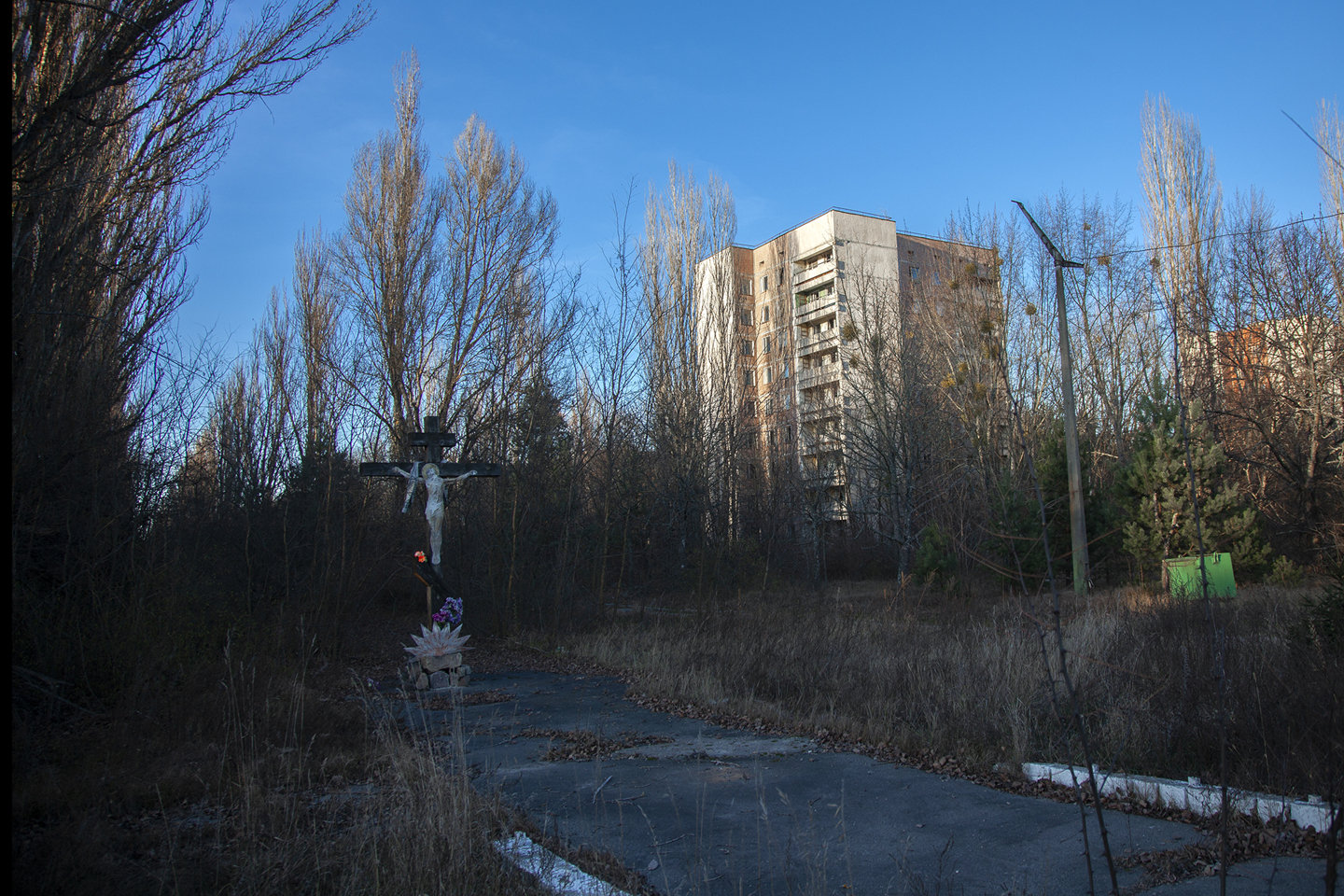
CHERNOBIL, PRIPYAT
Photo by Roberto Chile
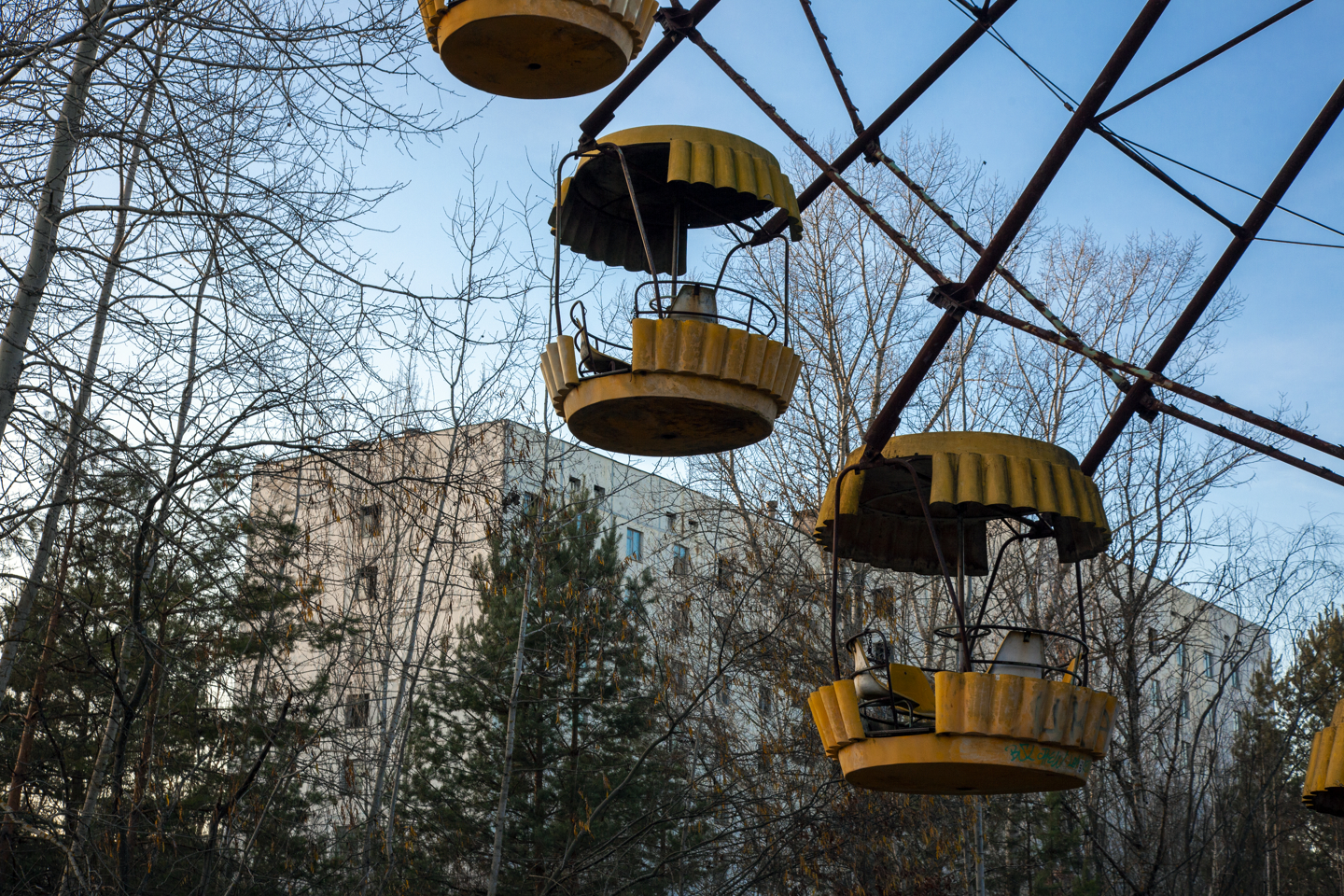
CHERNOBIL, PRIPYAT
Photo by Roberto Chile
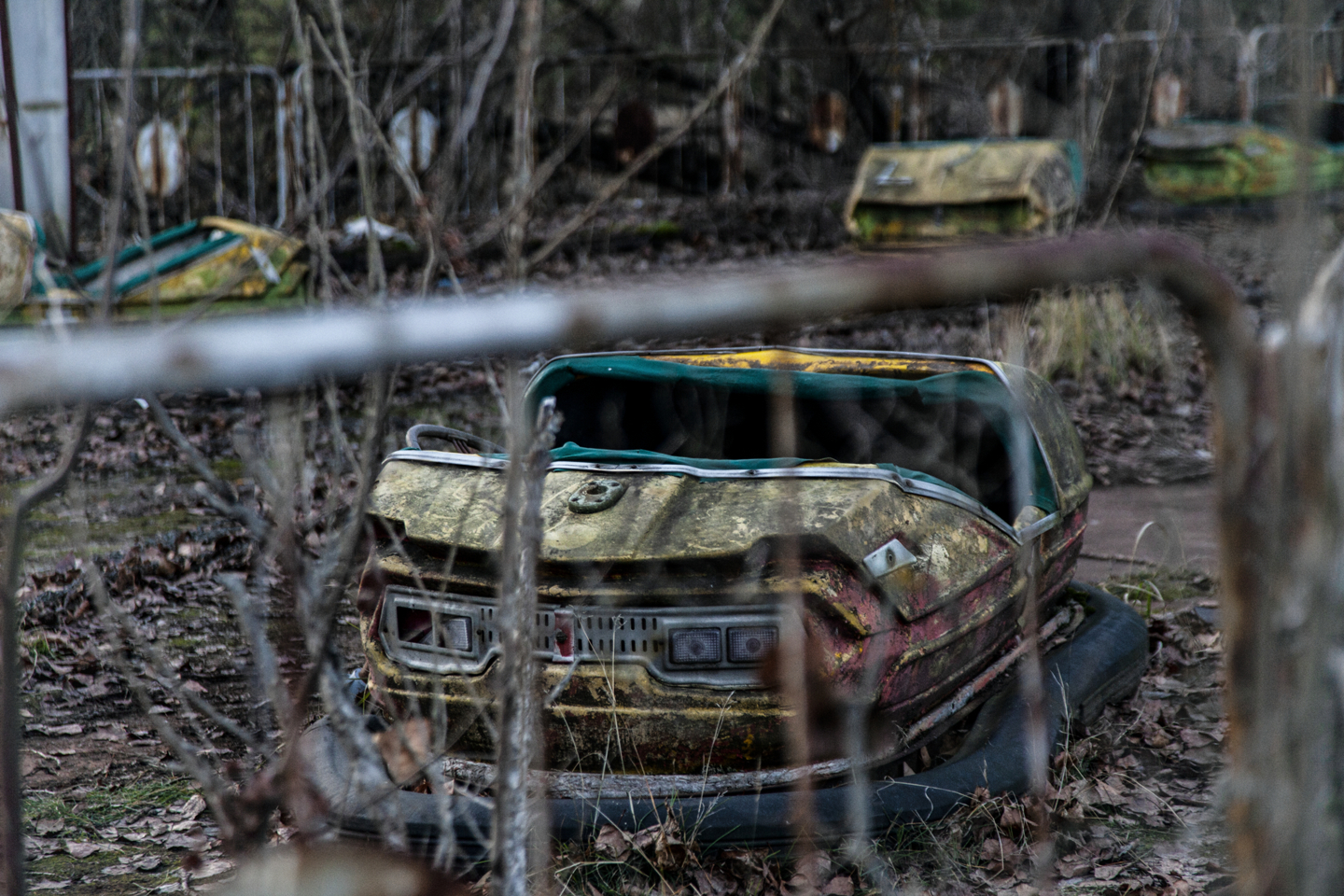
CHERNOBIL, PRIPYAT
Photo by Roberto Chile
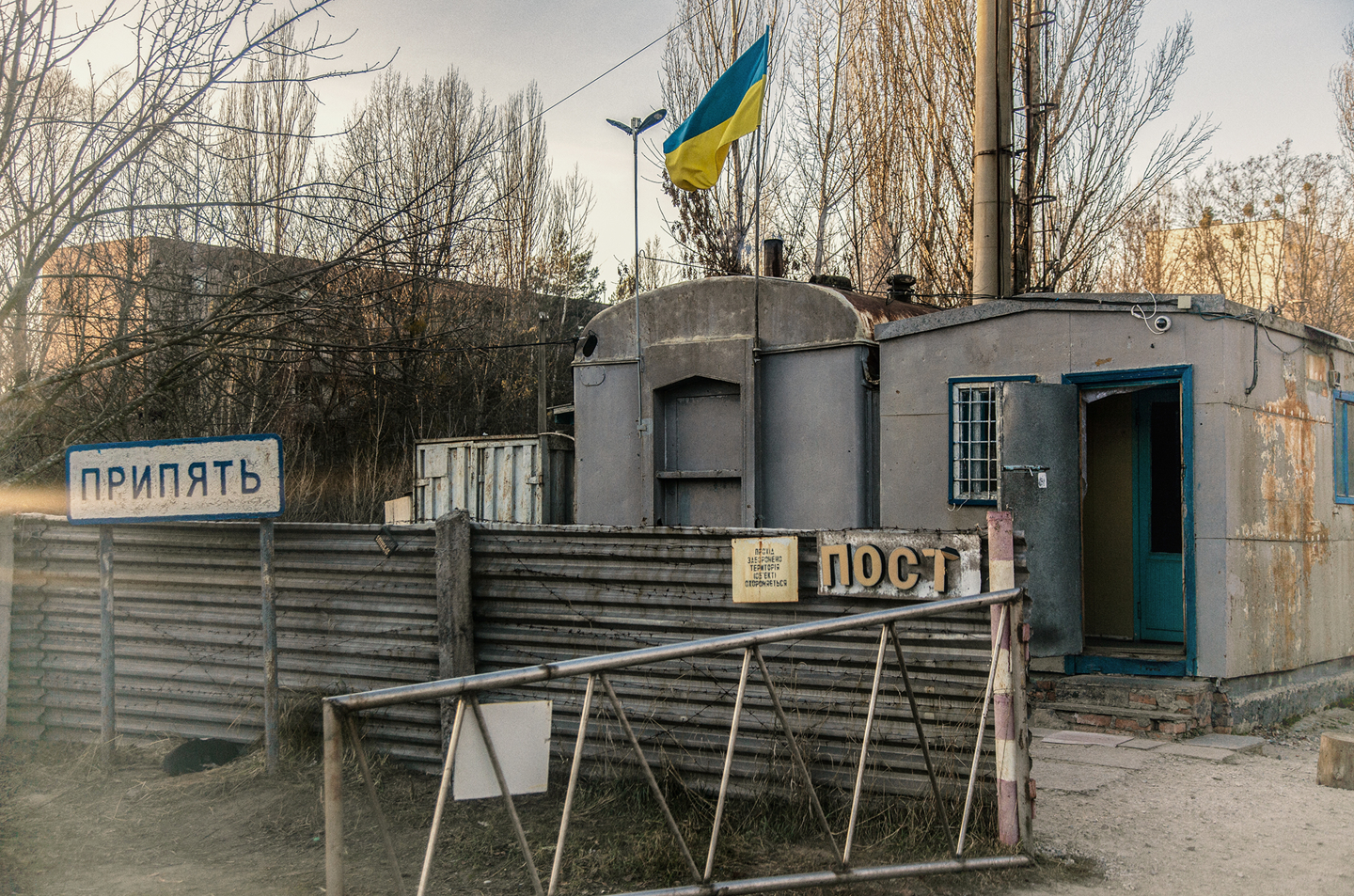
CHERNOBIL, PRIPYAT
Photo by Roberto Chile

CHERNOBIL, PRIPYAT
Photo by Roberto Chile
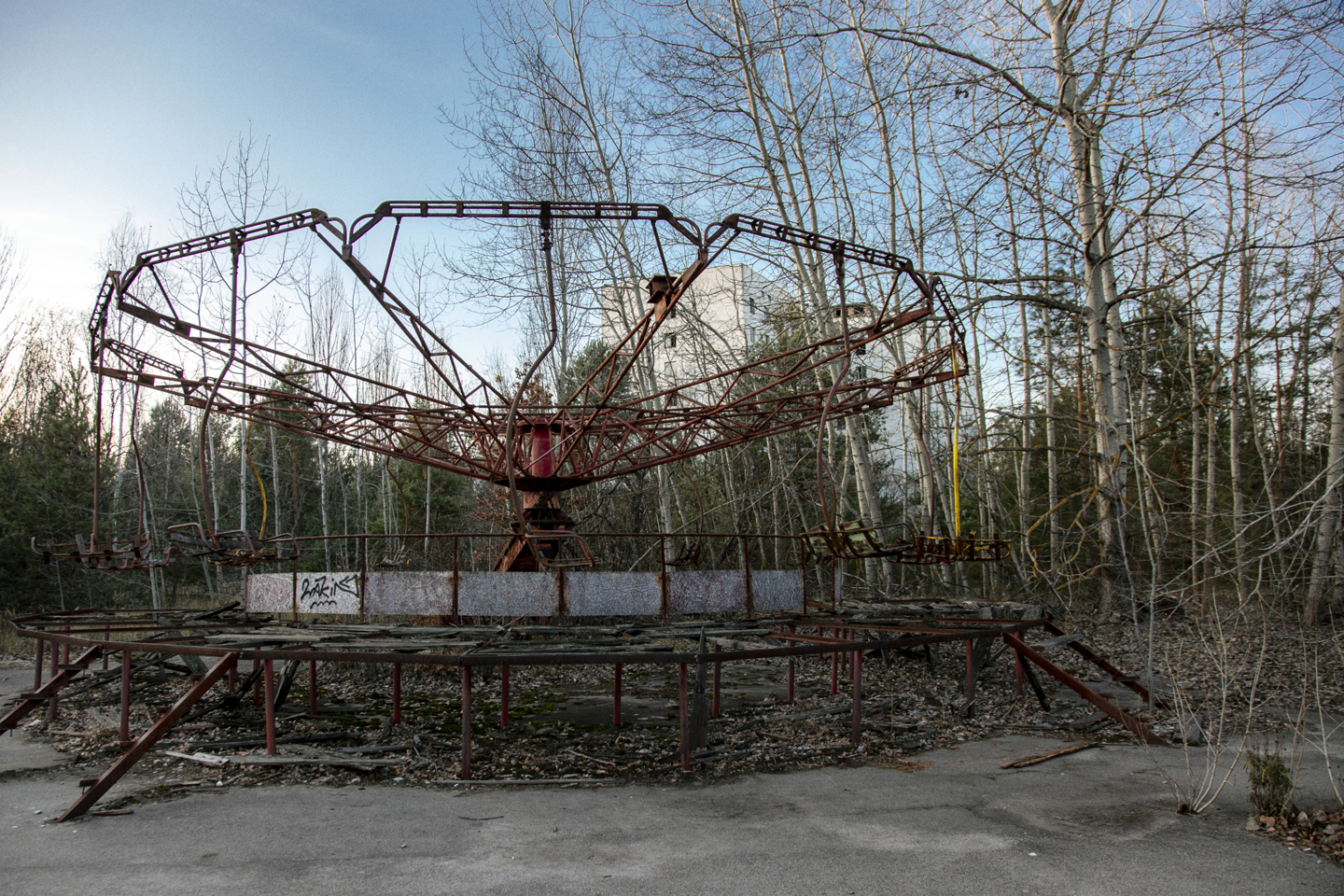
CHERNOBIL, PRIPYAT
Photo by Roberto Chile

CHERNOBIL, PRIPYAT
Photo by Roberto Chile
Thanks to Cuba, I Came Back to Life


First Cuban Coronavirus Carrier:
“Thanks to Cuba, I Came Back to Life”
Jesús Álvarez, who has been discharged, said he had the strength to resist in the middle of the storm, because he knew about the quality of Cuban medicine
Author: Freddy Pérez Cabrera | internet@granma.cu
Translated and edited by Walter Lippmann for CubaNews.
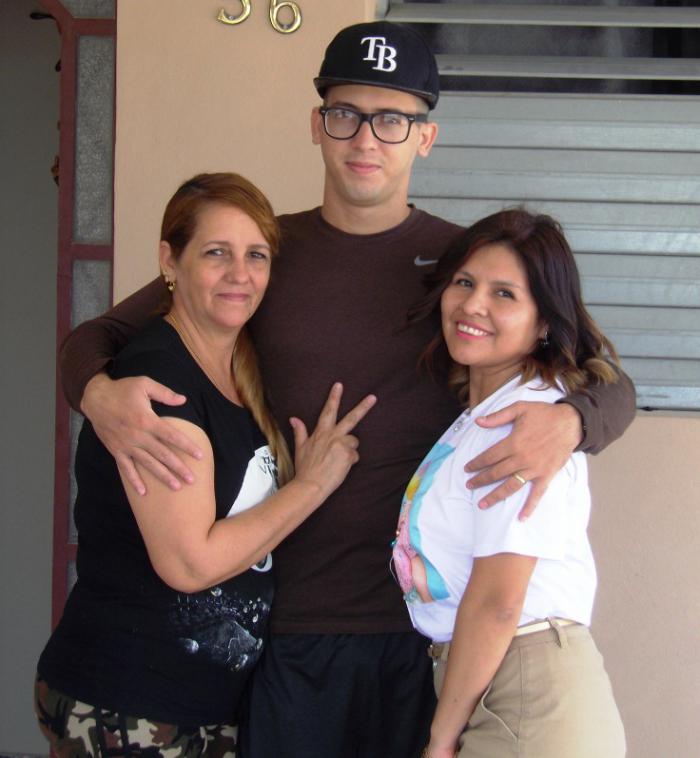
Jesús Álvarez López, the first Cuban carrier of the COVID-19, with his mother Irania López Aldama and his wife, the Bolivian living in Italy, Anel González Zurita. Photo: Freddy Pérez Cabrera
Santa Clara – I do not have words to express my gratitude to Cuba, which has been able to train such humane and professional doctors, nurses and specialists, thanks to whom I am back to life today, said Jesus Alvarez Lopez, the first Cuban carrier of the new coronavirus who has been discharged.
The 25-year-old dancer, who lives in this city, told Granma that at present he is evolving very favorably, and with a very rigorous follow-up by the family doctor, who comes daily to see how he is doing, takes his temperature and performs other controls, according to the protocols established for these cases.
About the experience, he said that his wife, Anel González Zurita, a Bolivian citizen living in Milan, Lombardy region, Italy, had arrived in Cuba without any apparent symptoms of any illness. However, a few days later she began to have slight respiratory problems, as he did. For that reason they went to the health system, where they were immediately admitted to the Villa Clara isolation hospital, and later transferred to the Pedro Kourí Institute of Tropical Medicine (IPK), where the illness was confirmed.
“Imagine what I suffered at that moment; the world fell on me. I felt fear, I thought the worst, in my family, in my little girl Ana Sofía who was only one year old. But I had the strength to resist in the middle of the storm, because I knew about the quality of Cuban medicine,” says Alvarez Lopez.
Referring to the treatment he received, he has words of praise for the doctors and all the staff who work at the Manuel Piti Fajardo Hospital in Villa Clara and the IPK, for which he says he feels grateful. They made him understand that he was not alone during those days of isolation. “They were my parents, my brothers, my friends,” the young man said emotionally.
“There I lacked for nothing, no medicine, no resources of any kind. They even spoiled me a little bit, because if I was hungry, it didn’t matter if it was two in the morning, they brought yogurt or some food. If I wanted to talk to my family, they facilitated the conversation through the telephone. In short, I was pleased with everything, says Jesus, who before saying goodbye, wanted to send a message to the Cuban people, whom he thanked for so much love in these difficult days.
“I am worried because I see some people who are still on the streets and without the necessary consciousness for the present situation. To them I say to take care, that this can touch anyone. You have to listen to the guidelines of the government, which is working very hard to avoid the worst. If we take all the measures, we will get out of this, because we are a people of battle, nobody doubts that, we will win.
How Cecilia Valdés Calms Italy
How Cecilia Valdés Calms Italy
Cuban lyric singer Diana Rosa Cárdenas Alfonso, who lives in a region of Lombardy, relieved her neighbors who live in quarantine because of the COVID-19
By Lisandra Gómez Guerra
March 18, 2020
Translated and edited by Walter Lippmann for CubaNews.
Cuban lyric singer Diana Rosa Cardenas Alfonso, resident in a region of Lombardy, relieved with art her neighbors who live in quarantine by COVID-19 Author: Facebook Posted: 18/03/2020 | 09:47 pm
Mantua Lombardy, Italy; 6:00 p.m., March 13, 2020. Only silence breaks the area bordered by buildings. Only a few people walk at a brisk pace around a supermarket. A few others shyly take in the last rays of sunshine from their balconies. They have been confined within four walls for too many hours and there are still many others to come. No one speaks. The afternoon seems the same, for more than a week now.
Suddenly, a sound light forces them to look outside. A miracle! Maybe they thought. But, the close neighbors came out grateful to enjoy a real show. From a small balcony, Cuba embraces the pain and sadness of hundreds of Italians who live day by day a duel with the coronavirus. Thank you, Cecilia Valdés, for so much spirituality. Thank you, Diana Rosa Cárdenas Alfonso, Cuban lyric singer living in Mantua, region of Lombardy, one of the Italian areas most affected by the coronavirus, for alleviating despair.
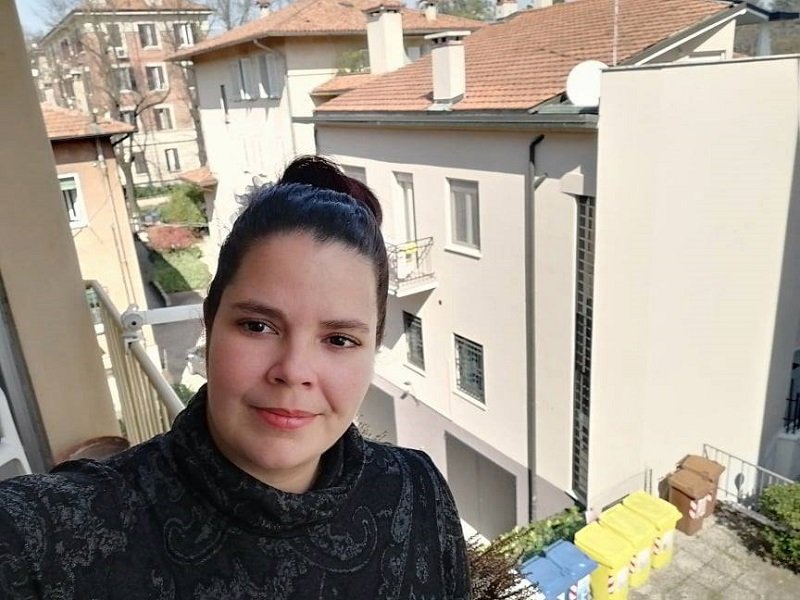 “If we chose to be artists it’s because we decided to make people aware. Art always helps. In a moment as complex as this one, it reaches a greater transcendence because it touches inside. That’s why we can feel alive, even if everything around you is dying. We will always remember that moment because it has united us as human beings,” Diana Rosa tells Juventud Rebelde via messenger, an application that erases the thousands of miles between her and this island.
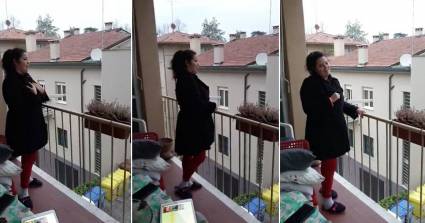
That Friday afternoon, she did not hesitate to accept the flashmob (a call to a large group of people to do something unusual) from every balcony, through social networks, an initiative that spread as quickly as the coronavirus itself. She went out to the small space of her apartment. Dressed in a black coat, red pyjamas, socks and flip-flops to get around the little cold air that has yet to leave Mantua, she rose up on the improvised stage.
She turned on the horns and raised her voice. On one side, her husband immortalized the moment, in a video that went viral in a few hours on several social networks. On the other, Marilu, her cat, watched it with pleasure. All around, little by little, spectators and many ovations joined in.
“They were super happy. They applauded me a lot. They shouted at me that if I needed an audience after everything was over, I should call them. The salespeople at the supermarket, where they have not banned sales because of the need for the service, shouted “You are brave,” says the 30-year-old young woman from Havana, her voice broken by so much emotion.
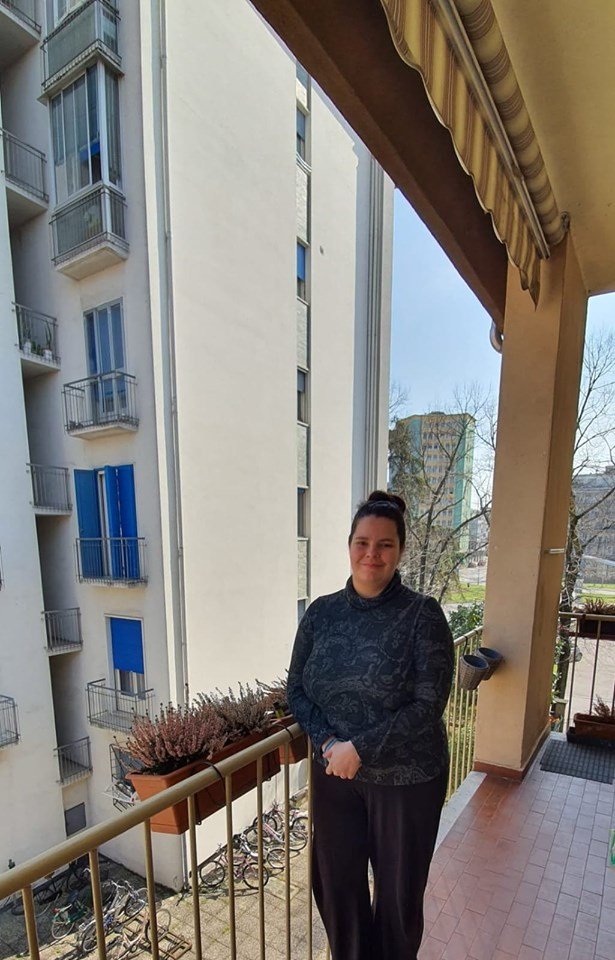
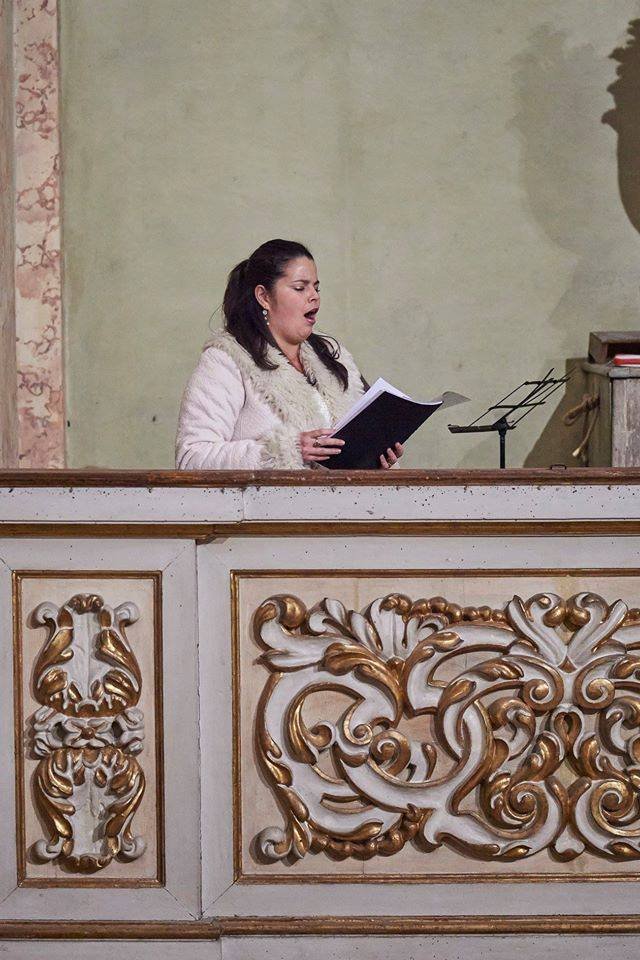
And although Diana Rosa, since her arrival in Italy in 2013 – one of her dreams for having opera as a genre with deep roots there – to perfect what she learned in the teaching unit of the National Lyric Theater of the Amadeo Roldan Conservatory, has made several of its stages her own, she still finds the experience difficult to digest.
“We went out to check if anyone else was doing anything and nothing happened. So, we said, let’s do it. It was very improvised, it was even half-disheveled. And it’s not the custom here to do that. I even live in a region where people are not as expressive as those who live in southern Italy. That’s why I never imagined singing on the balcony. Of course, at home I do, so my closest neighbors know I’m a lyrical singer,” says the woman who alternates presentations, after passing the auditions, with classes in lyrical and modern singing.
But the departure of Gonzalo Roig’s zarzuela was not the only thing that calmed Mantua’s life: “I also performed some operas from this country, such as Turandot. And two days later, I did a duet with my Japanese neighbor, each from her home, and we sang Mozart’s The Marriage of Figaro. That time, even my kitten joined in with her meows,” she adds, while a smile cuts off communication.
-Why Cecilia Valdés?
-Since I was a child I’ve had a strong bond with that work. My mother used to sing it to me, although she didn’t study lyrics. I played it in Cuba and here I did my thesis at the Lucio Campaniani Music Conservatory on the three Cuban zarzuelas: Cecilia Valdés, María la O and Amalia Batista.
“I am very grateful for my training in our country, especially to my teacher Adolfo Casas, for having instilled in me love and respect for that repertoire. Cecilia Valdés wastes Cuba, not only for her text, but for mixing so many rhythms. If I am Cuban, how can I not give away our art in such a complex moment?
-How much of Cecilia, as a true Creole, is there in Diana?
-I think a lot, because in reality when she says she doesn’t know what it is to suffer, that’s what characterizes us Cubans. We always put on a happy face in moments of sadness and problems. We face everything with a lot of dignity. Cecilia is Cuba.
-Why do you think that interpretation has gone around the world?
-First, I never imagined that it would happen. But it must have something to do with the fact that I gave away a song that belongs to me for being Cuban. I am happy to have awakened so many feelings, solidarity, brotherhood…, although it was in such a sad situation as the one we lived in and we will not forget.
“I have received hundreds of compliments and messages of love. Even a friend told me he saw me on Brazilian television. That response teaches us that we are capable of feeling and loving even in difficult times. But many are the artists who have done the same, and thanks to the networks we can enjoy them”.
For more than a week, Diana Rosa has barely passed the perimeters of her apartment due to a measure adopted by the Italian government to prevent the spread of the pandemic. “When I go out, just for a medical emergency or to buy food or medicine, I wear a mask, gloves, glasses. When I come back I take everything off, wash it and put my coat and shoes on to get some air and sun.
“I wash my hands constantly and inform myself. I maintain links with the Facebook page of the Cuban Embassy in Italy and my mom calls me every day. They are worried about us over there, but we are fine,” says the woman who inherited her passion for music from her baritone grandfather and his father, who, without any academic training, mastered the chords of the guitar.
-In your opinion, why has the coronavirus been so strong in Italy?
-I suppose it’s because at the beginning they didn’t take the measures of restriction that should have been demanded. It’s a virus that spreads quickly and you can have it and be asymptomatic. That’s why any measure is insufficient,” she insists whenever someone asks about the health of the Old Continent.
And while Italy, like many parts of the world, continues to be trapped by the tentacles of a virus that is bent on stealing thousands of lives, Diana Rosa thinks about how to dispel the annoying silence that surrounds her.
“Some artist friends have asked me why I did it, as if when everything happens no one will remember. I don’t care if that happens. Sometimes a single moment is enough to realize so many good things. I experienced that that afternoon and I will continue to live it from my balcony, at least until we are free of this situation,” she concluded.
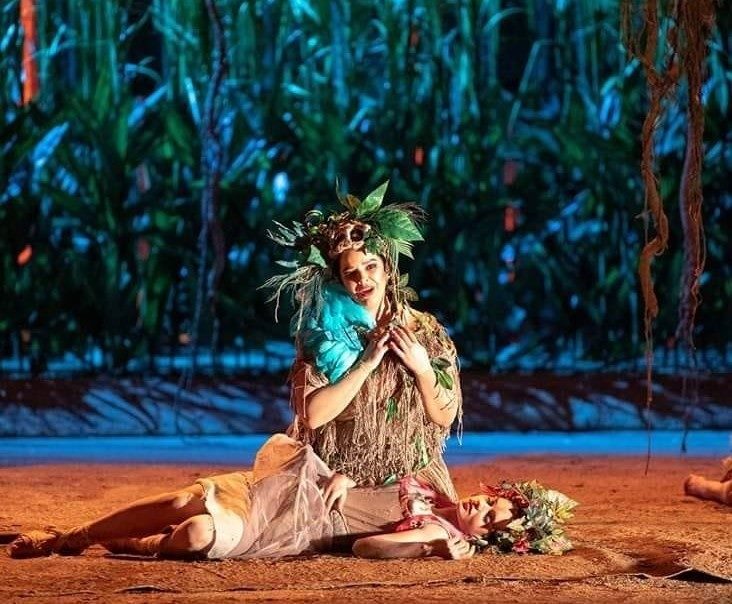
You can also listen to the interview on our podcast
Against the Coronavirus, Count on Cuba

Against the Coronavirus, Count on Cuba
By Jorge Gómez Barata
March 18, 2020
Translated and edited by Walter Lippmann for CubaNews
I heard two appeals to the Cuban government yesterday. A brief and peremptory: “Close the airports: Now!” The other one sounds like a plea: “I ask the Cuban government please DO NOT to send our medical personnel anywhere…”
By the way, the Chinese authorities believe they have identified “patient zero.” He is a man who contracted the virus in mid-November 2019. Since then, more than 100 days, after which there are three sick people in Cuba, no dead, and about 150 contacts under medical supervision. why then close the airports?
The other fellow Cuban, asks that “no medical and nursing be sent anywhere…” The thing is, the government doesn’t send them. In any case, it summons trained professionals and in full use of their rights acting voluntarily. Probably, many take on the task not as a task, but as an opportunity. I know comrades, myself among them, who believe it was worthwhile to go Angola where the risks were enormous.
In December 2019, China was surprised by the aggressiveness of COVID-19, but not Europe and the United States. In fact, since the end of December 2019 and early March 2020, had more than 60 days to prepare. The warning was early, although the reaction turned out to be late. The alarm, at times a mixture of impotence and hysteria, is motivated not only by the explosive spread of COVID-19, but also by the ineffectiveness of health systems in responding to situations to guide social and economic activity. societies to observe minimum rules.
Cuba, with more than 100,000 doctors and sufficient nursing staff, more than 3000 hospital beds for that purpose, the means to diagnose and the necessary medicines and a national mobilization led by the president of the republic, manages the threat. It does this without demanding extraordinary sacrifices and costs from the population which they cannot incur.
Cuban solvency stems from having faced two major epidemics: African Swine Fever in 1980 and a sudden outbreak of Dengue Fever that 1981 affected more than 300,000 people, 158 of whom died. To study, participate in events or get cured, they come to the island by the thousands, people from poor countries and tropical climates where there are infectious diseases. Cubans, too, by the hundreds of thousands as happened in Angola, travel and stay in those countries. Rejecting some and preventing others from traveling is not part of Cuba’s national health doctrine.
Cuban solvency can be explained by the fact that for decades, thanks to the existence of an effective health model, based on a system of primary care, an advanced approach to the epidemiological issue [has been in place] It addresses the prevention and treatment of diseases like Dengue, Zika, Cholera, Chikunguya and others. Cuba’s strengths show that it is not always about money. From one day to the next some developed countries can have fifty billion dollars to deal with the pandemic. However, no amount of money will allow you to install national primary care and to have hospital capacities to deal with the COVID-19 crisis. Nor is it possible to inculcate all people, the habit of going to the doctor as the Cubans do, among other reasons, because none of them will leave in debt or broke.
The task of the moment, as the World Health Organization suggests, is to identify, isolate and cure the infected, and control rigorously their contacts. As for the tourists, people presumably healthy, checked in their countries and re-examined when you get to the island, there’s nothing to be afraid of. As it has always been done, those who arrive healthily will be cared for and those who unfortunately get sick, they’ll be cured. See you there.
The Digital Pandemic
The Digital Pandemic
False news and computer attacks that promote collective hysteria swarm around the world these days, regarding the new coronavirus
By Yurisander Guevara
Translated and edited by Walter Lippmann for CubaNews.
The impact of a pandemic is felt in all walks of life. The technological world, of course, does not escape it. That COVID-19 has spread to all regions of the world is already wreaking havoc on industry, as evidenced by the dozens of canceled events and extreme measures that have made headlines in recent days.
False news and email hoaxes are also rampant, seeking out victims in people who are uninformed or eager to learn more about the virus, so they are capable of clicking anything.
In this issue we summarize some of the false news found in the networks, related to myths that have been denied by the health authorities.
It’s not true that…
*It’s false that the virus is in the air It is transmitted through droplets of saliva or mucus, mainly when coughing or sneezing, hence the importance of masks or naso-buckets for those who identify themselves as sick, mainly.
*It is highly recommended to wash your hands well. Recent information states that it is more decontaminating to use soap and water than hydroalcoholic gel. False news indicated that water alone would keep the virus away.
*The virus is not mutating: the World Health Organization assures us that the virus maintains a stable structure. Variations in symptoms among affected people are associated with previous pathologies and the interaction of the coronavirus with these.
*Dogs and cats do not transmit the virus, nor do mosquitoes. Basic hygiene care must be followed with animals, but the coronavirus has not been shown to affect pets more than people. There is a whole family of known and harmless viruses, very common in cats and dogs for many years, which are called coronaviruses because of their crown shape, but they are not COVID-19. As for mosquitoes – agents that transmit diseases such as dengue, zika or chikungunya – it has not been proven that they transmit this virus either.
*The coronavirus cannot be cured and we are no longer protected by the pneumonia vaccine, Ebola treatments or antiretrovirals for HIV. This is a different virus for which a concrete solution is being sought, according to the WHO. On the way, it is normal that experimental treatments are made, but it is not advisable to self-medicate. The treatment of the coronavirus is currently symptomatic and is in the hands of epidemiologists.
*There is not a pattern of behavior before different ages. It is false that the elderly are the first to be infected or that children are immune. The deaths of older people and those who are immunosuppressed with other opportunistic diseases are not a definitive indicator of the seriousness of the coronavirus.
*Smoke from fireworks and firecrackers does not kill the pathogen. Incredible as it may seem, it has been circulated on the web that smoke generated by gunpowder kills the coronavirus. The WHO radically denied this possibility and warned that fireworks can cause burns and irritation to the eyes, throat and lungs.
*Many of the recommendations about what to eat, how to avoid spicy food or take too much vitamin C are false. The only thing the WHO recommends is not to eat raw or undercooked animal products.
*Sesame oil does not kill the virus, although bleach or chlorine-based disinfectants do. It should be understood, however, that these substances hardly affect the virus if applied to the skin or under the nose, WHO stressed, as a warning to those who might think of extreme prevention.
*The virus is not related to room temperature. It has been claimed that the coronavirus is vulnerable to heat, but that does not mean that high temperatures will exterminate it. Cases have been reported in all types of weather, hot or cold, dry or wet.
*The virus has nothing to do with its country of origin. Many memes have been shared discriminating against the Chinese, as if they were to blame for the existence of the virus. That an evil has been generated in this country that is now a pandemic does not give the right to discriminate against them. Solidarity must be a principle.
Digital Care
On the other hand, it is important to be alert to the contents received in the email. According to Wired, phishing scammers -a procedure to infest a computer and then access its data and use it for the benefit of the hacker- have taken advantage of fears about the spread of COVID-19 to create e-mails with that in the subject.
This week the Chinese firm QiAnXin detected Russian hackers, possibly affiliated with the groups Sandworm and Fancy Bear, who sent emails with malicious document attachments to Ukrainian targets. The emails claimed to come from the Ukrainian Health Ministry’s Public Health Center and arrived in the midst of a disinformation campaign that stoked fears about the spread of the virus in the European country and caused riots.
Meanwhile, the Vietnamese security firm VinCSS detected a large volume of new phishing emails related to the coronavirus in the last two weeks, attributed to hackers. The emails include a malicious attachment purporting to contain information about COVID-19, allegedly sent by the Vietnamese Prime Minister. Of course, it’s a fake.
Another campaign attributed to Chinese actors by Check Point investigators targeted victims in Mongolia. South Korea suffered phishing attacks in February, with emails addressed to government officials, in which documents contaminated with malware were sent.
As always, it is best to be on the lookout for scams in times of uncertainty. It is not only the emails that need to be protected. Strings of messages are very common on social networks, but we recommend paying special attention to attachments that may arrive via WhatsApp, Telegram or another network.
Google and Twitter announced that searches related to the word coronavirus will try to match them with reliable content, and something similar will be done by Facebook and Instagram.
The truth is that institutionality is now relevant, and it is the official information that is the most reliable. In times of pandemic, sites such as www.sld.cu contain a huge amount of information to not only keep up to date, but to know how to act in the face of this challenge.
The Voice of Wisdom in Public Gatherings

The Voice of Wisdom in Public Gatherings
The usefulness and relevance of public meetings informing the population about details of the COVID-19 in Cuba are evident
By Haydee León Moya
March 20, 2020
Translated and edited by Walter Lippmann for CubaNews.
Guantánamo: Where they take their delegate to account, that is where it took place: in the community park. People arrived well before the scheduled time to attend a public health hearing on the coronavirus.
They were heard talking about the subject and what they were interested in being informed about. A young doctor from outside the neighborhood also arrived early and wrote down what he heard.
I never saw such quietness in the girl who was accompanying the adults. “This is very serious and you can’t interrupt,” a grandmother told her grandson, shortly before the young and very active leader of the neighborhood introduced the visitor in the white coat for a masterful lecture.
As a specialist in General Integral Medicine at the community polyclinic, he updated us on the positive cases of Covid-19 confirmed in Cuba until that evening. He explained the history of the disease, the ways in which it is transmitted, the symptoms that, if they appear, should make us go immediately to a medical institution.
He also gave the telephone number of the Command Post where one can ask for any guidance and made it clear that nobody can trust that their cough or fever is from a cold of days ago: You have to go to the doctor and demand that behavior in every house, as well as smearing hypochlorite on the common surfaces, which in the neighborhood pharmacy are regulating its sale so that everyone has enough.
“The doctor’s office is the closest, so you don’t waste any time, but you can go to the one you want,” the doctor replied.
“Listen, I know of a person who came from outside and spent the night coughing. What can you do if you don’t want to go to the hospital?” asked another neighbour.
“Well, you must isolate him and demand that he go to the doctor, or you can call the telephone I gave you and report it,” explained the specialist very seriously.
“But look, doctor: look at all the positive cases in Cuba, if not foreigners, at least they have had contact with those people or visited countries where the disease is spreading. If you see one of those cases, to prevent them from walking in the street it’s better to call the command post and have them pick you up in an ambulance, don’t you think?”, said another.
“That’s very good and it’s already planned. People who have an illness related to the characteristics of this disease should participate actively and responsibly in the protection of the rest of the population,” insisted the doctor, and answered other questions from the same court.
That is precisely the value of these public exchanges in the open air: People inform themselves, participate, anticipate and learn, thinking about their own and others with a more responsible tone.
Cuban CP on Kissing and Covid-19

Prudence
This is a struggle in which we are all involved, of a social nature, and in which each one must impose on him/herself the condition of being responsible, for his own good and that of others.
By Ventura de Jesús
March 21, 2020
Translated and edited by Walter Lippmann for CubaNews.
Photo: Taken from the Internet
Covid-19 continues to spread around the world, with increasing levels of infection and death. The signal is very clear: protocols for prevention and control must be followed, and very strict health rules must be observed in order to avoid at all costs contagion and the spread of the disease.
There are various measures and lessons to flatten the epidemic’s curve and the emphasis is on collective awareness, discipline, and individual responsibility.
In addition to strengthening hygiene care, experts warn that personal behavior is key. They recommend social distancing measures, such as voluntary quarantine and isolation, as well as avoiding displacement and crowding.
Others are aimed at not shaking hands and avoiding kisses, and trying to keep at least one meter away from other people, something whose benefit nobody doubts, but which to a certain extent is tormenting for Cubans, since they quarrel with habits that are deeply rooted in our society.
Visual and physical contact in Cuba does not have the same connotation as in other parts of the world. According to scholars, it is part of nature and responds to socio-cultural and historical phenomena.
Fortunately, there are those who have given up on the fraternal embraces, friendly romps and other approaches that usually characterize the encounters between acquaintances, friends and family on the island.
There are more and more people who greet you from a distance or give you an affective glance from afar. There are even those, the few, who pass by without looking. They believe that this does not hurt anyone’s feelings, and is healthy for the purpose of evading the Covid-19.
The truth is that putting aside, or postponing for the time being, the relationship of joyful camaraderie in the form of handshakes or necking, need not sour anyone’s character or be a source of laughter or mockery. Everyone should understand the reasons and not overlook the importance of caution, even against their will.
Despite many exhortations, many people still do not take this particular matter seriously, and there is no human power capable of persuading them that, for example, affectionate greetings should be avoided.
Perhaps that is why we Latinos, and particularly Cubans, are like that. There are those who think that a kiss does not hurt anyone and find it extravagant to greet each other with an elbow or with simple gestures from a distance. They consider it a useless torture and continue to obey that ancient custom of shaking hands or hugging a friend.
Although some do not seem to be aware of it, this pandemic is dangerous and causes countless setbacks, including some that are related to our daily habits.
Cubans, bound by affection and solidarity, must continue to work with serenity, security and discipline to successfully confront the new coronavirus, as President Miguel Díaz-Canel indicated.
On an individual level, this means not losing track of reality and looking at the faces of others with our hands on our hearts. In this way, we accompany the country’s decisions and do not fail in the will that guides us in this battle.
It is a struggle in which we are all involved, of a social nature, and in which each one must impose on themselves the condition of being responsible, for your own good and for that of others. For the time being, we must postpone some customary habits. It is convenient for everyone, for you and for me. It is the most prudent thing to do.
Bolivia Suspends Elections until Further Notice
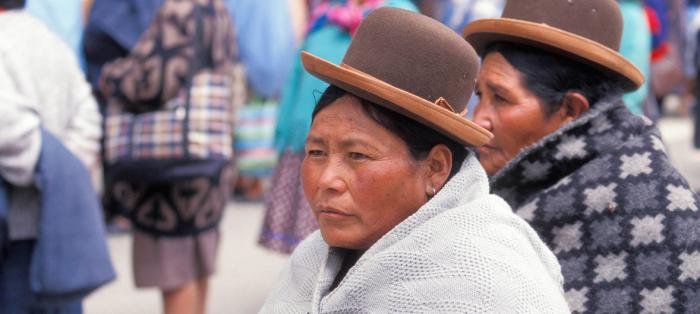

Bolivia Suspends Presidential
Elections until Further Notice
The Bolivian de facto government declared total quarantine this Saturday, taking effect from Sunday and will last 14 days, as an extreme measure to combat the new coronavirus pandemic.
March 22, 2020
Translated and edited by Walter Lippmann for CubaNews.
Photo: Taken from the Internet
The Bolivian Supreme Electoral Tribunal (TSE) announced on Saturday the suspension of the election calendar due to the total quarantine decreed by the de facto government in the face of the new coronavirus, and therefore the presidential elections scheduled for May 3.
The President of the Supreme Electoral Court, Salvador Romero, said that the new date for the elections should be set “with technical support”. He reiterated that it should be made taking into account scientific assessments on the evolution of the pandemic. “It must be accepted without bias in favor or against any political organization or candidate,” he added.
In its statement, the TSE also expresses its commitment to resume its activities as soon as the minimum conditions are met.
“We declare our willingness to continue the broad and pluralistic dialogue with all political organizations participating in the 2020 process, as well as with the other branches of government, so that in a framework of consultation and unity of all Bolivians, we can define a new date for the voting day of the 2020 general election,” the TSE’s statement states.
For the time being, health authorities reported that 19 cases of infection and no deaths have been confirmed in the country.
In the run-up to the elections, the Movement Towards Socialism (MAS) is the favorite to win the presidency, vice-presidency and most of the seats in the Plurinational Assembly.
Quarantined Physician Describes It

Quarantined
Holguinera doctor Yaritza Pérez Peña fought her first face-to-face battle with the Covid-19
By Germán Veloz Placencia
March 19, 2020
Translated and edited by Walter Lippmann for CubaNews.
I’m listening to Dr. Yaritza Perez Pena on the phone. Her voice sounds strange because she’s wearing a nasobuco [face mask]. I confess that I am anxiously looking for this contact and that she has more admirers behind her. I wish, I tell her, that from the Military Hospital of Holguin, where she is now in quarantine, she will share details of the moments in which, thinking of human beings, with her clear vision as a doctor, she fought her first face-to-face combat with the Covid-19.
“It was at the Hotel Rio de Oro, in the municipality of Rafael Freyre. She worked at the International Clinic of Guardalavaca and was on duty at the hotel’s Medical Post, where a Canadian guest arrived, at the suggestion of Mariluz Claro, the room’s waitress. She detected that the tourist had a cough, vomiting and diarrhea.
“Mariluz didn’t waste any time. She was alert and also warned her superiors about the case. This is what all the hotel staff was told to do when they trained staff to act at times like this. Together with nurse Marilín Oramas, I concluded that we were facing a suspicious case of the new coronavirus and we isolated it right there, to cut the chain of contacts with other people”.
She tells details about the operation of isolating the patient and his subsequent transfer to Villa El Cocal, in order to carry out the test expeditiously, which, sent to the Laboratory of Molecular Biology of the Provincial Center of Hygiene, Epidemiology, and Microbiology in Santiago de Cuba, proved positive.
Yaritza Pérez, since she was a student at the University of Medical Sciences of Holguín, has prepared herself to face contingencies like this, she assures us. Then in Brazil, during her second mission as a collaborator, she faced severe outbreaks of zika, dengue and malaria, and implemented well-designed medical protocols. But the new coronavirus has great contagious power and collective vigilance to detect cases and prevent their spread cannot be compromised, she says.
She says that in the 26 de Julio neighborhood in Rafael Freyre, her son, husband, parents and siblings are keeping an eye on their progress during the period of isolation, and that is great emotional support. She is also called by her colleagues at the clinic.
“Mariluz, Marilín and I remain asymptomatic, just like the rest of the people we contact with the patient. We will be isolated for about 14 days, which is the incubation time of Covid-19. We feel protected by the staff of the Military Hospital. They have been very gentle with everyone.
In hands like those of these names, the Cuban family is well protected. The best thing is that, throughout the island, there are thousands like them.
You must be logged in to post a comment.