December 2019 20
Chicharrones is Meat
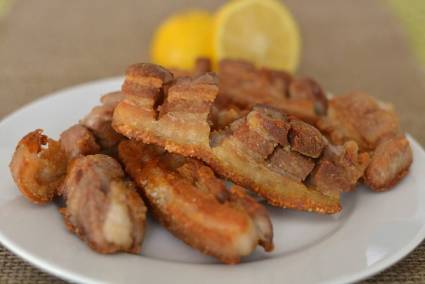

I Still Think That Chicharrones is Meat
Chicharones contain high amounts of collagen and established fats that generally help to reduce cholesterol, diabetes and cardiovascular disease
December 28th, 2019
A CubaNews translation.
Edited by Walter Lippmann.
Experts conclude that chicharrones is a healthy food Author: Twitter Posted: 28/12/2019 | 03:13 pm
Numerous nutritionists, as well as food experts, claim that the delicious deep-firied crackling pork rinds is not only not fattening, but is even beneficial to health and should be included in many diets.
It is said that pork rinds have high amounts of collagen, so when you eat them you will feel full sooner, which will make you eat less and this helps you lose weight.
It is also high in so-called established fat, which helps reduce cholesterol, diabetes and cardiovascular disease, and generally improves bone health. It also contains a lot of protein. One ounce (28 grams) of this food provides 17 grams of protein, which maintains the feeling of satiety and benefits the muscles. On the other hand, it has stearic acid, a saturated fatty acid that does not raise blood cholesterol levels, according to the website Meatinfo.co.
This food, which is eaten in many parts of the world – in Cuba almost all year round – is presumed to have been invented during the 1800s by the working-class communities of Savy in the West Midlands, or the Western Midlands, one of the 47 counties of England, UK, with its capital in Birmingham.
Like almost all fried and salted meat snacks, chicharrones are delicious. Recently, the company Muscle Food released chicharrones that are claimed to have the highest protein content of any chicharrones in the world. Their product is made from fried pork skin sprayed with salt and 70 percent of its nutritional content is protein, plus it has half the fat of pork rinds on the market.
Olympic gold medalist in taekwondo, Jade Jones, is known to like them a lot. And if an Olympic medalist consumes them regularly, it means they’re healthy. Also, according to Vice magazine and Milenio.com, most of the fat in pork rinds is mono and polyunsaturated.
St. George’s Hospital’s chief nutritionist, Cath Collins, confirmed that because what we eat is the collagen concentrated in the pig’s skin, pork rinds have an incredibly high protein content that maintains the feeling of satiety, benefits the muscles and improves bone health.
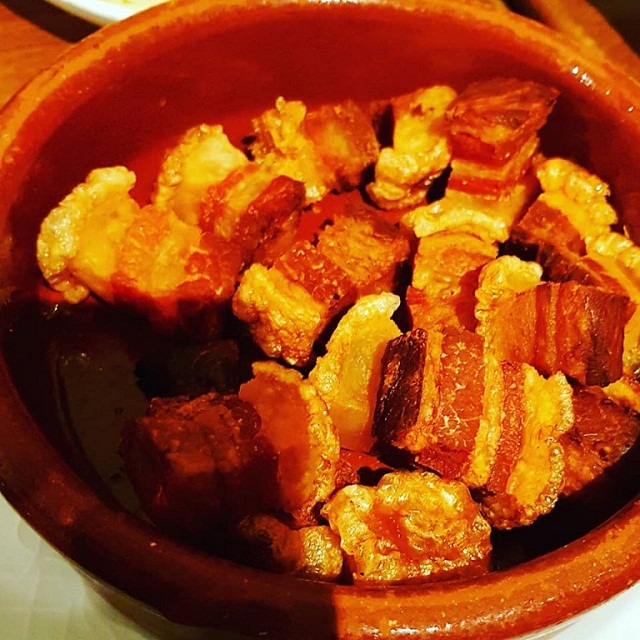
Chicharrones is not harmful. Photo:taken from Twitter.
It turns out that lard [manteca de cerdo] is healthy
On the other hand, research conducted by Dr Michael Mosley and published by BBC News revealed that what we thought we knew about cooking oils was simply wrong. Most people believe that frying with vegetable oils has to be healthier than cooking with animal fat. The problem is that when fats and oils are heated they change, and in doing so produce chemicals that can cause heart disease or cancer.
Olive oil, for example, has a so-called lower smoke point, which means it will begin to change more quickly. The beneficial compounds then begin to degrade and potentially harmful compounds are formed. Sunflower oil, supposedly the healthier alternative, is much worse. Therefore, lard, so stigmatized in common use, is preferable to these oils in general, experts explain.
Nutritionist Mariana Rodríguez Pineda explains that the tendency to point to certain foods as being fattening — or not — is questionable. Any excess calories consumed in a day can cause us to gain weight, she says. There is no one food that, by itself, will make us gain or lose weight; what matters, after all, is the amount of energy you consume and the amount you spend, she says.
According to Rodríguez Pineda, the belief that chicharrones are not fattening comes from supporters of ketogenic diets, which are characterized by high amounts of protein and fat, and little or no carbohydrates.
Pork rinds, which are of animal origin, are permitted in this type of diet. For all these reasons, Rodriguez assures us that there is no better diet than a balanced one that includes carbohydrates, fats and proteins, since restricting one of the three nutrients can be harmful to health.
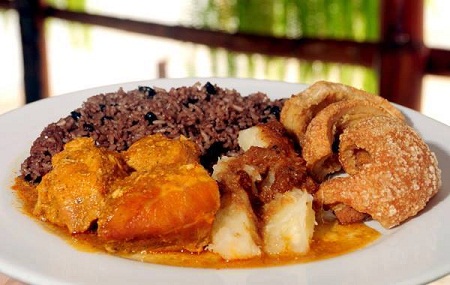
Lard is healthy. Photo: taken from twitter.
Tribute to Father Sardiñas
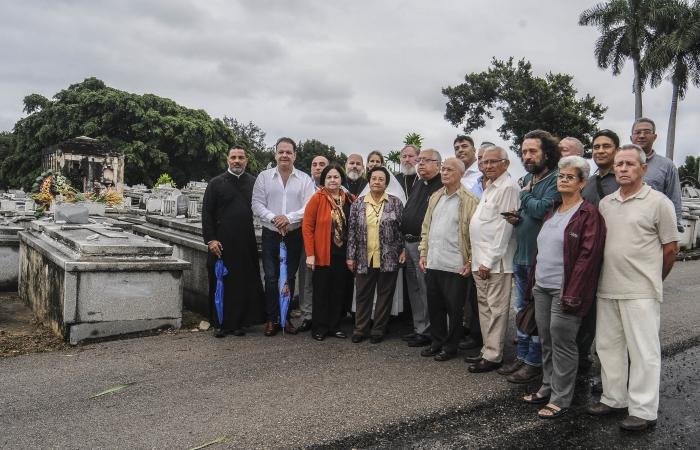

Tribute to Father Sardiñas on the 55th Anniversary of his Passing
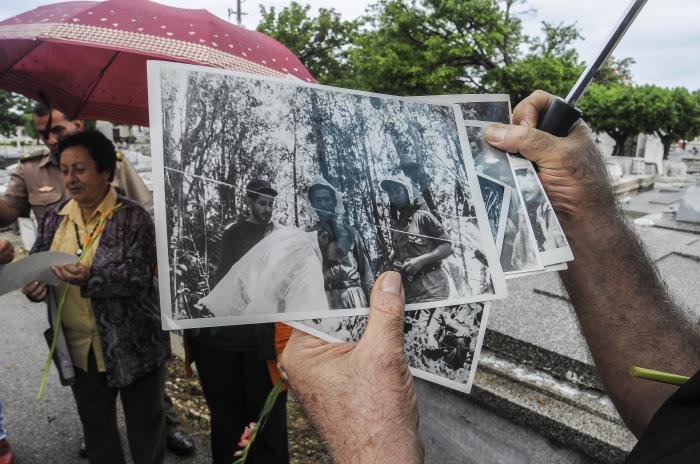
With the placing of a floral offering in the name of the Cuban people, and a pilgrimage to his tomb in the Colon Cemetary in Havana, Guillermo Isaías Sardiñas Menéndez, the priest known as the Father of the olive green cassock, was recalled yesterday on the 55th anniversary of his death
——————————————————————————–
Author: National Editor | internet@granma.cu
December 24, 2019 01:12:18
A CubaNews translation.
Edited by Walter Lippmann.
Photo: Dunia Álvarez
With the placing of a floral offering in the name of the People of Cuba and a pilgrimage to his tomb, in the Colon Necropolis, in Havana, the priest Guillermo Isaías Sardiñas Menéndez, known as the Father of the olive green cassock, was evoked yesterday on the 55th anniversary of his death.
Major General José Carrillo Gómez, president of the Association of Combatants of the Cuban Revolution (acrc), highlighted the personality of the former chaplain of the Rebel Army who came down from the Sierra Maestra with the rank of Commander, while Monsignor Ramón Suárez Polcari, chancellor of the Archbishopric of Havana, said a prayer in tribute to this distinguished personality. Also present were Caridad Diego, head of the Office of Attention to Religious Affairs of the Central Committee of the Party, Brigadier General Delsa Esther Puebla Viltre and members of the Association of Combatants of the Cuban Revolution (ACRC), as well as representatives and religious leaders of our country. (National Editor)
Violence Against Women
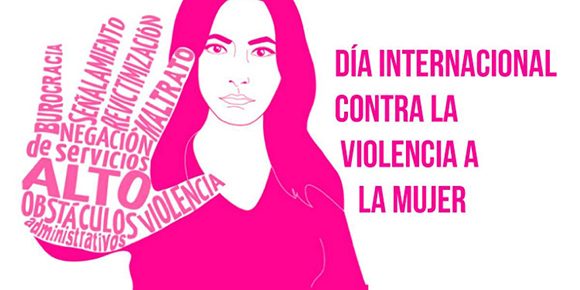

Violence against women is much more than physical or sexual
By Amelia Duarte de la Rosa
November 25, 2019
Translated and edited by Walter Lippmann for CubaNews.
nuevamujer.com
The world commemorates this November 25 International Day for the Elimination of Violence against Women, even though one in three women on the planet suffers physical or sexual violence.
However, the term “Violence Against Women” coined by the UN in 1993, encompasses many types of attacks beyond physical, sexual or psychological, and also has to do with any threatening act, whether it occurs in life public as in private.
Many women in the world suffer from labor and political violence as an inalienable part of gender inequality and lack of equal rights for women and girls.
Among the highest rates of gender violence worldwide are found in the Pacific region, the Middle East and Africa, where although physical or sexual rape has a higher incidence, the female population is unprotected in terms of economic empowerment, political leadership and inclusion.
According to the United Nations Annual Report 2017-2018, women remain trapped in a network of inequalities that place them in the worst part of unpaid care, social protection and insecurity.
Gender disparities also intersect with gaps in education, income and access to services, as well as ethnicity, sexual orientation and geographic location.
In addition, women and girls are particularly vulnerable in education, which prevents them from achieving universal schooling and having more employment opportunities.
Harassment, discrimination at work and psychological aggressiveness also affect them as victims, because women are exposed to strenuous work schedules, low earnings, difficult conditions and an increased risk of violence.
UN Women data shows that one in 10 women in the European Union declares that they have suffered cyber-bullying since the age of 15. This includes unwanted, sexually explicit and offensive emails or SMS [text] messages, or inappropriate and offensive attempts in the social networks, which are positioned as the main means through which this psychological violence is exercised.
Meanwhile, a study conducted in 27 universities in the United States revealed that 23 percent of university students are victims of sexual assault or sexual misconduct.
For its part, Africa is one of the most restrictive continents in terms of women’s rights and it is estimated that millions of them have been subjected to female genital mutilation.
In addition, it leads the ranking as the region with the least safe abortions in the world, followed by Oceania and Latin America, which takes thousands of lives each year.
It is believed that only one in four abortions is carried out in safe conditions.
UN Women implements an aid plan in several countries to close these gender gaps and create counseling centers for survivors of violence.
In addition, some governments develop economic empowerment plans to counter violence against women, such as in Japan, which, for example, approved paternity leave to allow the professional development of mothers.
However, all action continues to seem useless when, UN data confirms that 71 percent of victims of trafficking worldwide are women and girls, and one in two women in 2017 was killed by their sentimental partner or a member of their family.
(Taken from PL)
The Siege of Túpac Katari
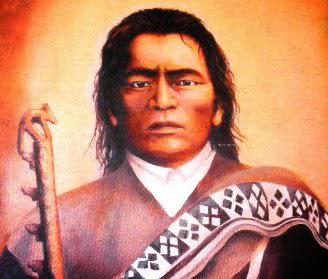
The Siege of Túpac Katari
On November 15, 238 years had passed since the dismemberment of the Bolivian indigenous leader. Along with thousands of his followers, he surrounded the city of Nuestra Señora de la Paz [today’s La Paz] for several months creating chaos and sowing panic among the Spaniards who lived in the small city
November 20, 2019
Translated and edited by Walter Lippmann for CubaNews.
Portrait made by Gastón Ugalde and located in the Legislative Palace, in La Paz. Photo: Taken from the Internet
November 15, marked 238 years since the dismemberment of the Bolivian indigenous leader Túpac Katari. Together with thousands of his followers, he surrounded the city of La Paz for several months, creating chaos and sowing panic among the Spaniards and their descendants who inhabited In the small town.
Before dying, Katari formulated this prophecy: “I will die but I will return and be millions.” The historic phrase was rescued by Aymara leader Evo Morales when he assumed the presidency of Bolivia in 2006, and his government began to work for the demands for the rights of the original peoples.
Katari’s real name was Julian Apaza Nina. He was born in 1750 in the Aymara community of Ayo Ayo, province of Sica Sica, near La Paz, the son of a miner who died in the mines of Potosí. This indigenous leader led one of the most important rebellions against Spanish colonialism in Upper Peru, along with his wife, the heroine Bartolina Sisa and her younger sister Gregoria Apaza.
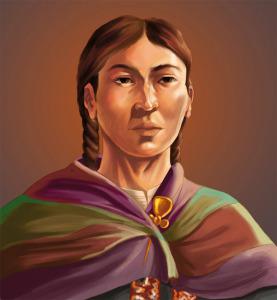
The heroine Bartolina Sisa, wife of Túpac Katari. Photo: Internet
Legend has it that when Julian was born in 1750, two huge condors settled in the nearby mountains. One represented the Aymara and the other, the Quechua. Thus they learned that this child would be very important for the two native communities. That’s what happened.
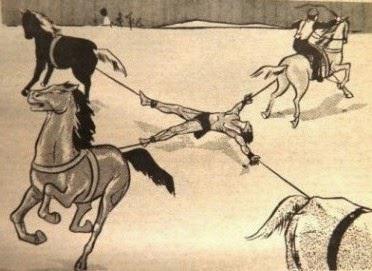
The young Julian adopted the pseudonym of Túpac Katari in tribute to the indigenous leaders Túpac Amaro II and Tomás Katari, to fight against Spanish domination, organizing the indigenous and mestizos for the great rebellion he was preparing.
An army of more than 40,000 indigenous people from different regions such as Calamarca, Caracato, Sapahaqui, Laja and Viacha, led by Tupac Katari, twice surrounded the city of La Paz in 1781. Their seige lasted for one hundred and nine days, causing serious damage to the Spanish forces. This was mainly due to lack of supplies, however, troops sent in aid from Argentina prevented the fall of the city.
Katari was betrayed, imprisoned and sentenced to be executed through dismemberment, which took place on November 15, 1781, in the small town of Peñas, two hours from El Alto.
He was made to walk around the main square, his tongue was cut, he was quartered by stretching his limbs by four horses. They pierced his head over the tip of a pillory to intimidate the rebels. And as if that were not enough, parts of his body were exposed in different regions.
But his example led to other uprisings that achieved the expulsion of the conquerors of Bolivian land. And the fence was sculpted forever as the indigenous epic that bent the Spanish conquerors for a few months.
Now in Bolivia, a reissue of that siege is taking place. Representatives of social organizations of the city of El Alto, and the federations of coca leaf producers of El Chapare, decided to encircle La Paz. They demanded that the murders of the peasants and the mobilized people cease; human rights violations cease and the legitimate government and not the coup be restored.
In a tweet from Mexico, President Evo Morales recalled the Bolivian indigenous leader: «Spanish imperialism thought that by tearing up Tupac Katari 238 years ago, it would cut off the strength of the people to break the chains of colonialism. Today, more than ever, the fight continues. Before the repression of the racist coup, we repeat the sentence: I will return and be millions!,” he wrote.
Sources: Internet
Saint Lazarus Day in Cuba
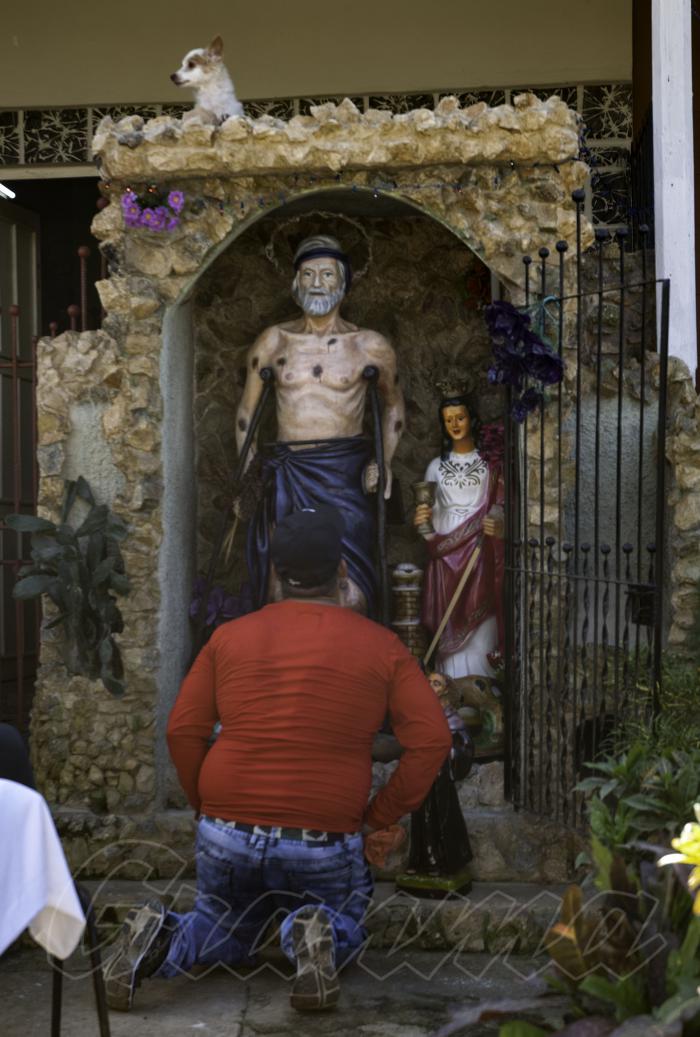
Saint Lazarus Day, a Cuban Cultural Tradition
BabalúAyé, “as he is also compared by the association of the believers in the Yoruba religion”, means “King or Father of the World”, Shangó’s brother
December 18, 2019
by Endrys Correa Vaillant | internet@granma.cu
Translated and edited by Walter Lippmann for CubaNews.
In the houses, the altars are also prepared and worshipped. Photo: Endrys Correa Vaillant
Babalú Ayé, “as he is also compared by association with believers in the Yoruba religion”, means “King or father of the World”, Shangó’s brother.
The Chinese also see in Babalú Ayé a resemblance to one of the eight immortals of their mythology, Li Xuan, who, like Saint Lazarus or Babalú Ayé, wears thick cloth rags, is crippled on one leg, helps himself with crutches and is a lover of animals.
In these days, on the eve of December 17, his day; the devotees of this saint venerate him in different ways. Some slide with a stone on their backs, others walk barefoot or with flowers and candles. What almost everyone agrees on is that they go to the National Sanctuary of Saint Lazarus in El Rincón to deposit all their offerings. Some ask for health, others for protection, or for themselves and their families.
In El Rincón we find people of all kinds, from different places in Cuba and other countries. Even the riders go with their horses to bless them (they do it on December 17 and January 17).
It is normal to see them in the strollers known popularly as spiders moving in groups of up to 20 to fulfill their task. They arrive at the Rincón and go to the fountain in search of holy water, take it to the father of the church to bless it and cleanse their beasts to rid them of all evil, it is part of the ritual.
Like the Virgin of Charity, Saint Barbara or the Virgin of Rule, Saint Lazarus, will always have in Cubans, followers who will worship him to face his challenges, calamities and hardships. Faith in him manages to cross borders and clings to those who feel it and make it theirs.
THE LEGEND
Legend has it that Babalú Ayé, being a very womanizing man, was advised by Orula to control himself in this way because he could contract serious diseases, which he did not do. One day he met an irresistible woman, went to have fun, and when he woke up the next day his body was covered with malignant sores.
The elders of the village, seeing his condition, sewed his tongue with twelve diloggún (a divinatory system of the Osha Rule that uses the cauri snail in the hand of 18 or 21 pieces, depending on the orisha in question) and expelled him from the place.
His brother Shangó took him to Orula who, after scolding him for his disobedience, advised Shangó to look for Osain to prepare a remedy with herbs that would cure the disease. Babalú Ayé had to clean himself with them, bury the ebbó (cleaning and purification work) and go to a village where he would be proclaimed king. Ogún gave him two dogs to accompany him on the journey.
Fulfilling to the letter what Orula had told him, Babalú Ayé went to look for the place that Orula had described to him. When he buried the ebbó, it began to rain heavily and the sores that had afflicted it disappeared. To his surprise, as he entered the village he realized that everyone there was suffering from a serious illness, and the villagers who saw him went to meet him in veneration. This was because according to them, the cure for their ills would come with the man who arrived in the rain. Babalú Ayé, who knew some of Osain’s secrets of healing, began to care for the sick and was proclaimed king of the place.
Note: The data taken from the book “Con bendición de todos” by the professor and researcher Valentina Porras Potts.
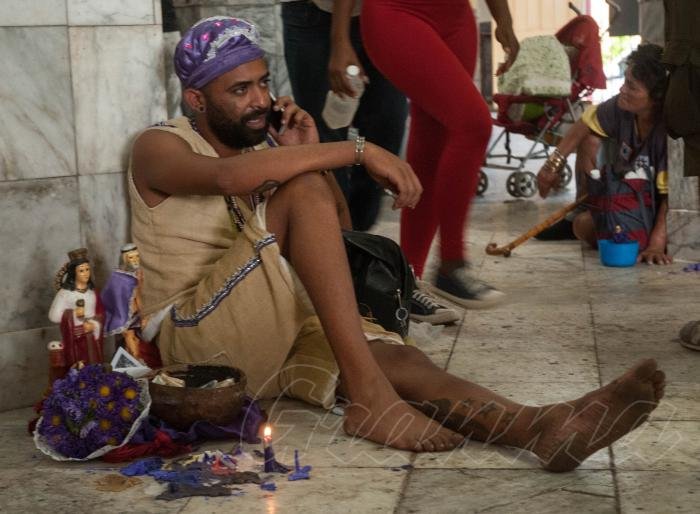
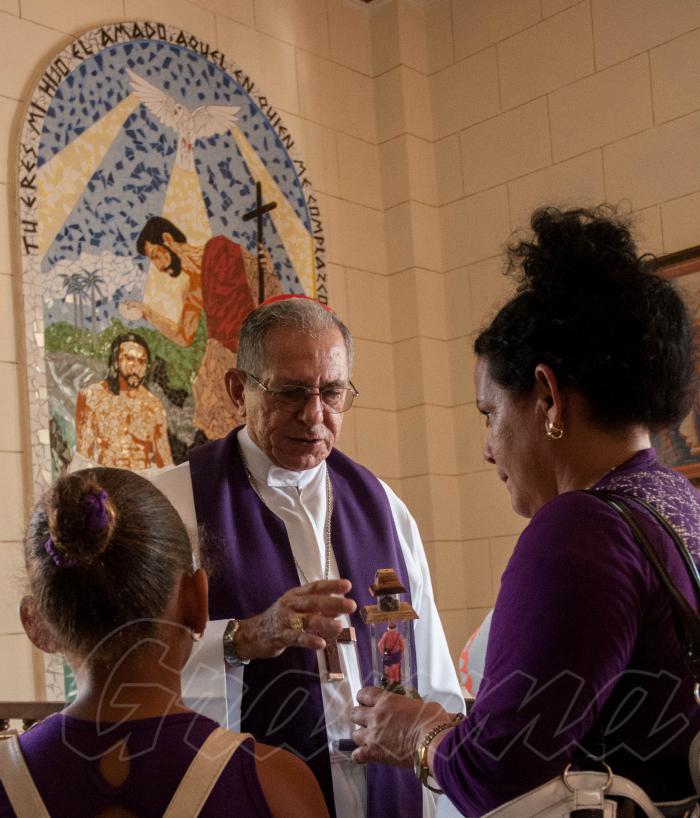
The Cardinal of Cuba, Juan de la Caridad García Rodríguez, also participates by blessing everyone. Photo: Endrys Correa Vaillant
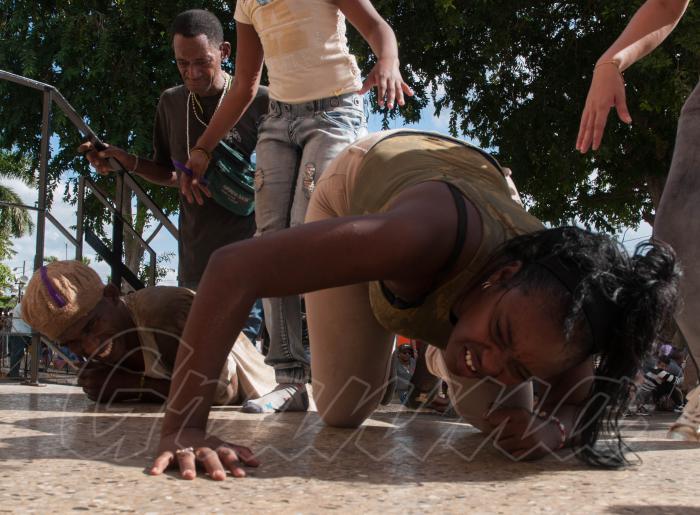
Great effort and energy are needed to keep the promises. Photo: Endrys Correa Vaillant
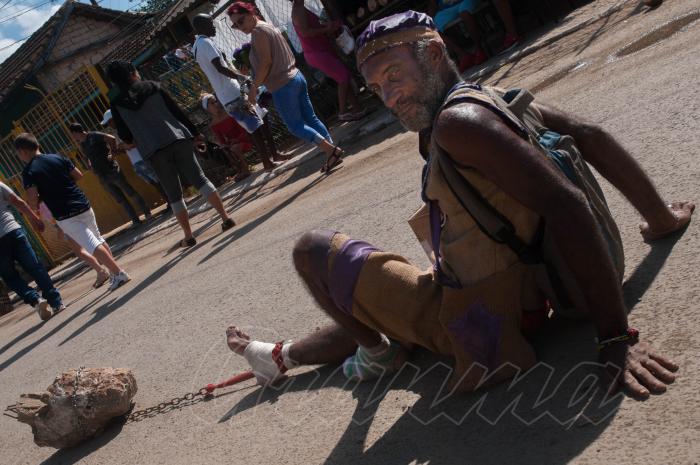
Carlos Manuel, who walked six days with that stone from Centro Habana, has been a pilgrim for 15 years. Photo: Endrys Correa Vaillant
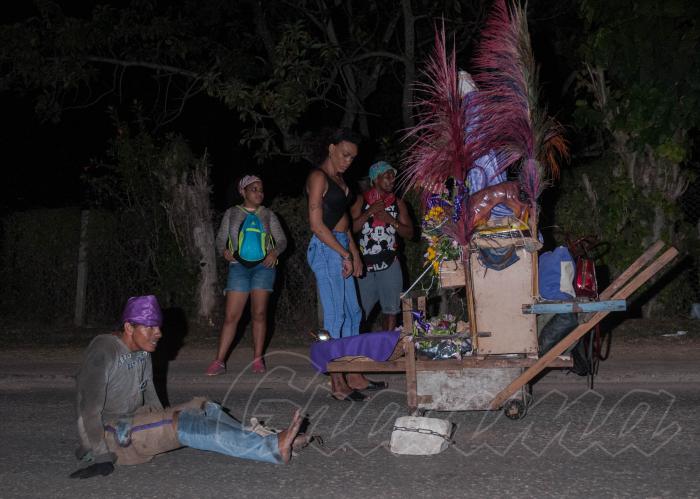
Photo: Endrys Correa Vaillant
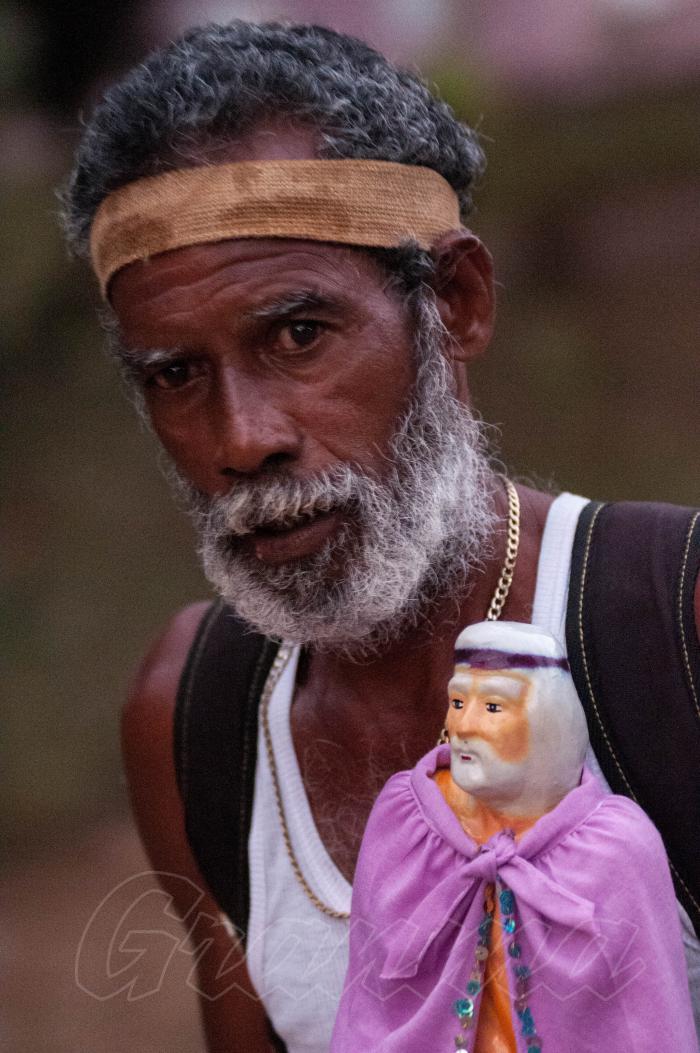
Photo: Endrys Correa Vaillant
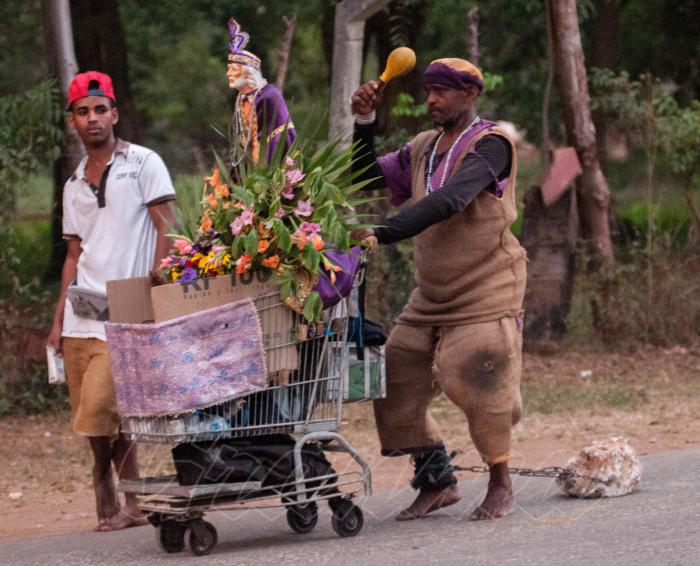
Photo: Endrys Correa Vaillant

Photo: Endrys Correa Vaillant
Agosto: A Different Film
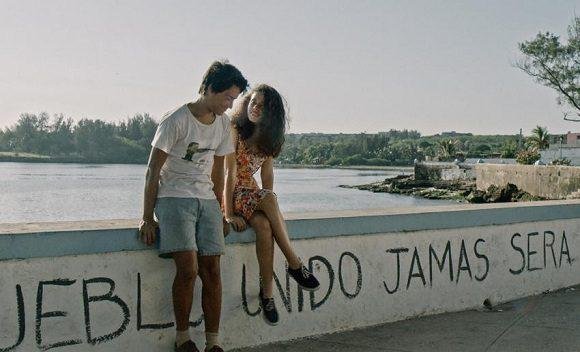
 Agosto: A Different Film
This is a film in every different sense that proposes a healing gaze towards that moment of farewells and separations.
December 11, 2019 12:12:07 | CLAUDIA PIS GUIROLA
Translated and edited by Walter Lippmann for CubaNews.
Photo: Frame of the film
It’s set in 1994 and Carlos is 14 years old. Some of his friends, neighbors and relatives leave Cuba behind the siren songs of the U.S. government. The US, which, while tightening the economic and financial blockade, promises benefits and guarantees to those who manage to set foot on American soil. In handmade boats, improvised from any material, they sail the seas: they are rafters. But Carlos (Damián González) is a teenager and in the midst of his personal pains, is unable to understand the full political-social dimension of the moment. Through his gaze, Agosto [August] is told. It is a film without excesses and with no desire to judge, which appeals to the collective memories of those who face the only Cuban film in competition in the section of Opera Prima during this 41st International Festival of New Latin American Cinema in Havana.
With the support of the Cuban Institute of Cinematographic Art and Industry (ICAIC), this production between Cuba, Costa Rica and France had to go through a long road of almost ten years to see materialize the original project of Armando Capó (director) with script by Abel Arcos. Finally, it is now possible to enjoy a work that, beyond the dramatic force of the context in which it is set, delves into more universal values such as adolescence, the loss of loved ones and the sexual awakening of a boy who will have to assume the socially accepted demands for his gender, but made even more acute by economic precariousness.
Capó, coordinator of the Fiction Chair at the International Film and TV School of San Antonio de los Baños, tells of a long documentary production (Descubriendo Pancha, 2004; La marea, 2009; Ausencia, 2011), which may have influenced the way the story is told. There are no dramatic effects or heartbreaking catharsis. Even the treatment of color from a palette without stridencies, the tempo of the edition and the use of hand-held camera contribute to achieving a story from a calm, with an unconventional narrative structure, but very attractive from, among other things, the careful recreation of the era.
With the performances of Glenda Delgado Domínguez, Felito Lahera, Verónica Lynn and Lola Amores Rodríguez, this is a film in a very different sense that proposes a healing gaze towards that moment of farewells and separations. That August was the same for many and those who still need a reconciliation with that summer, perhaps this August, will find it.
A Dose of (In)Security

A Dose of (In)Security
According to street rumors and reaffirmed specialists in Sexology and Urology in our country, in the last decade the number of young men who consume sildenafil [Viagra] without a prescription. has risen worriedly
Published: Tuesday 10 December 2019 | 11:24:12 pm.
by Mileyda Mendéndez Dávila
Translated and edited by Walter Lippmann for CubaNews.
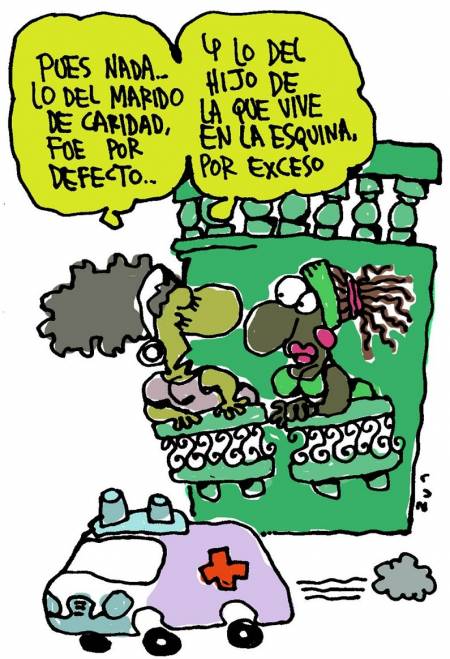
Viagra consumption Author: LAZ Published: 10/12/2019 | 10:54 pm
WOMAN #1: What happened to Caridad’s husband was for lack of…
WOMAN #2: And what happened to the lady that lives on the corner was due to an overdose.
in sex, it is fundamental to respect oneself and the other person.
Lara Castro, Spanish sexologist
Carlos is 19 years old. He studies engineering and is an attractive young man, intelligent and nice enough to arouse the interest of whomever he wants. His friends respect and support him, his relationships have been stable and his sexual life healthy, so far without surprises.
Like many young people, Carlos has felt the need to experiment to the maximum of his abilities. Even without the traumatic experiences to justify it, he decided to venture with “the famous little blue pill”, because they promised him that he would see the clouds and show them, in addition, to his roommate.
The outcome could have been magnificent, as other young people who were pleased insist on narrating, but Carlos ended up in a hospital ward with an intense pain in his penis, erect for more than three hours, and an unbearable headache. Luckily, it was enough to drain the limb with a syringe and there were no sequels.
According to street rumors and reaffirmed by specialists in Sexology and Urology in our country, in the last decade the number of young men who consume Viagra without a prescription, has risen worryingly. This is true both in its Cuban variant and products imported illegally under the name, not always reliable, Viagra.
The interesting thing about this phenomenon is that this drug is a vasodilator (dilates the vessels of the circulatory system). It doesn’t stimulate desire, and is intended for patients with erectile dysfunction after trying other therapies whose use involves fewer physical risks.
When employed by a young man who has no circulatory problems or erection difficulties, it can cause priapism, that continuous and painful erection of the penis that lasts several hours and requires surgical intervention to resolve.
Even without immediate traumatic episodes, it is a dangerous habit because it creates dependence and deepens the insecurity, low self-esteem or anxiety of the young person. In the long run, this can generate the feared dysfunction, but of psychological origin, explains psychiatrist and sexologist Elvia de Dios, therapist at the National Center for Sexual Education (Cenesex).
In addition, possible reactions to the chemical surpass the advantages that its consumption supposedly brings, if there is no basic cause, which is lack of erection. These include headaches, palpitations, facial redness, nasal congestion, dyspepsia … Added to this is that some men should not use it because they are allergic to its components or these interfere with their treatments for chronic illnesses (such as heart disease).
There are also restrictions for uncontrolled hypotensives and men with retinitis pigmentosa. This is because, according to the Cuban expert, international studies report vision damage, since this drug relaxes smooth muscles by inhibiting the production of the enzyme FDE-5 (5-phosphodiesterase) but can also inhibit FDE-6, vital for the retina.
In the new protocols of attention to sexual dysfunctions in our country (in the process of validation to be generalized throughout the health system), we insist on the rigor of the prescription of the drug, accompanied by other indications, such as its ingestion away from meals, low-fat diet in the previous hours and not taking more than one pill a day.
It is essential to demystify other aspects that young people handle inappropriately. Viagra does not protect against any STI and its use does not increase sexual appetite: without desire and prior stimulation, it does not lead to anything positive.
These insecure young people force a process that should be natural, spontaneous and pleasant for both parties, in an attempt to look good above all else. In that state, it doesn’t matter if you use alcohol, viagra or other natural aphrodisiacs: the expected effect is in your mind, even if your body suffers the undesirable consequences.
A healthy sexuality in all senses includes unlearning prejudices that point to the man as merely responsible for the sexual relationship. It takes into account that, at that moment, responsibilities are shared equally, so the only doses that must mediate between them are that of attraction and honesty.
Cuba and Shared Parenting Rights
CUBA: The Horrible “Dictatorship” Providing Shared Parenting Rights
LA GUACAMAYA ROJA
by Marta López Fesser
December 17, 2019
Translated and edited by Walter Lippmann for CubaNews.
*Free kindergarten for 2 years
*6 months paid maternity leave
*Paid paternity leave
Only 15 countries in the world have these 3 basic policies to facilitate shared parenting. Cuba is the only one in Latin America, it has the happiest babies in the world. reports UNICEF.
In Cuba, thanks to family-friendly policies, couples break gender norms by sharing parental responsibilities.
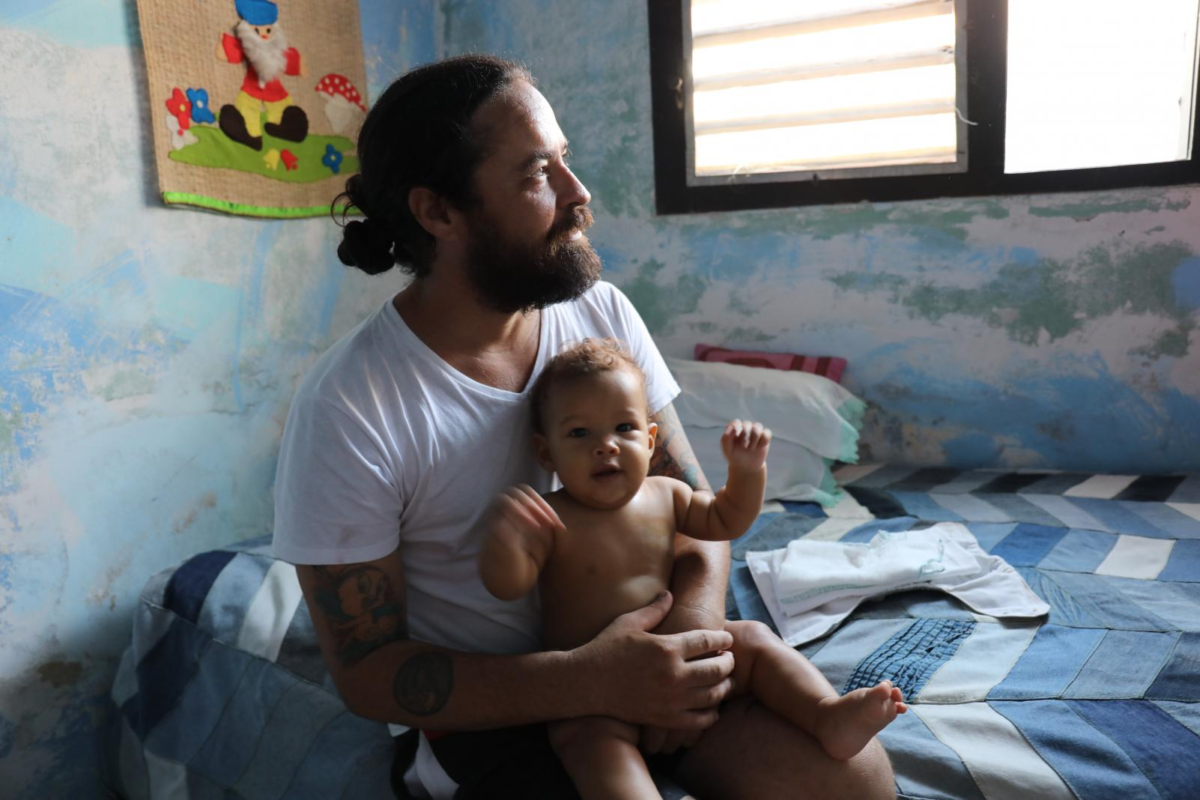
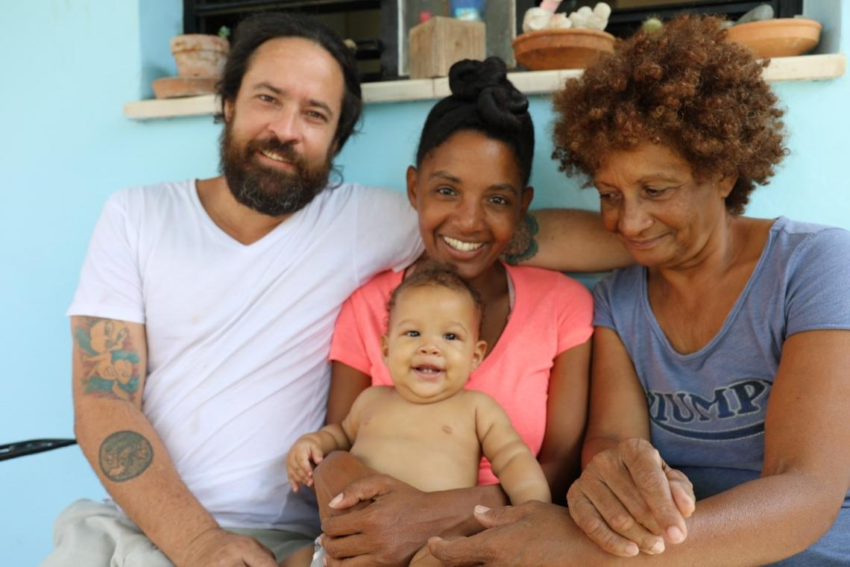
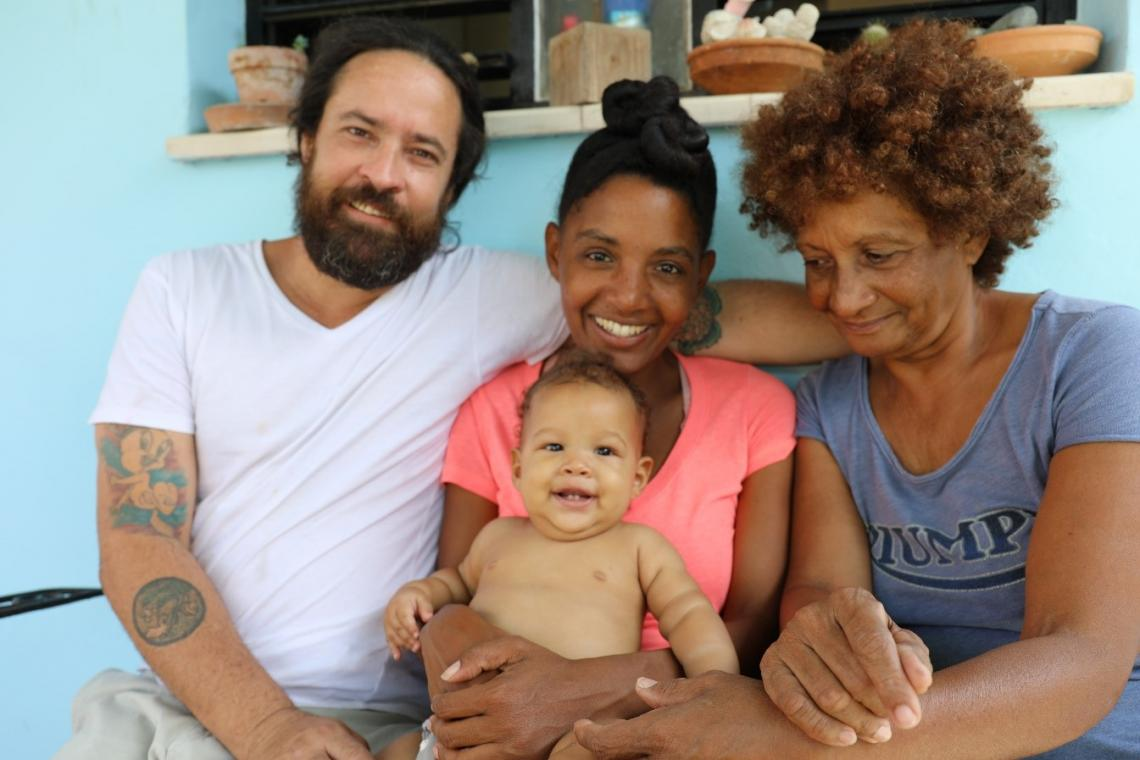
HAVANA, Cuba – When Juan Carlos and Maria decided to start a family three years ago, they knew there was only one way to raise children. “For a family to work, you need a team: that means sharing all the tasks and responsibilities,” says Juan Carlos.
Juan Carlos, who would be a first-time father, did not yet know the intricacies of fatherhood, but he knew he had to be present. “There are things we can’t share, like the discomfort or the physical weight of the pregnancy, but I can be there for [Maria], so that we can learn together and share this journey,” he says.
Juan Carlos did his best not to miss any of Maria’s medical exams before delivery. At the consultation, the couple observed that most of the instructions and advice given them was directed directly to her. Juan Carlos had to insist on his interest in being taken seriously. He wanted to know what his role was, how he could help his son reach his full potential, but he didn’t know who to turn to.
Juan Carlos plays with his youngest son, Oliver, after changing his diaper.
Family-friendly policies in Cuba
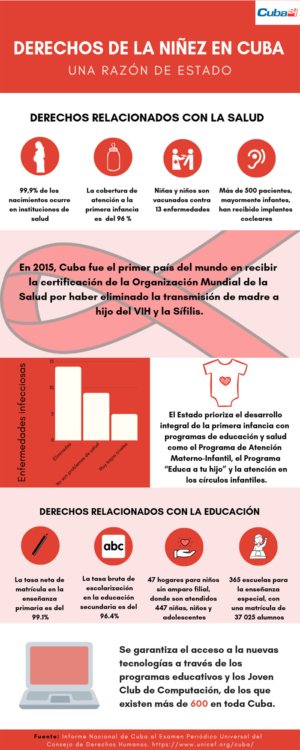
Cuba is one of 15 countries with three basic social policies and programs to help mothers and fathers: free public preschool education for the first two years; a minimum of six months of paid maternity leave to facilitate breastfeeding; and 12 months of paid paternity leave after the birth of the baby.
For a family to work, you need a team: that means sharing all the tasks and responsibilities.”
However, despite these programs and policies, social norms and structural barriers in Cuba make it difficult for men to participate equitably in all stages of child-rearing. Only 18 percent of fathers participate in educational activities with their children during early childhood; only 33.2 percent of children under six months of age receive exclusive breastfeeding benefits, and only 125 fathers were able to take paternity leave between 2003 and 2014.
As a result, many children do not fully benefit from having a paternal figure central to their development.
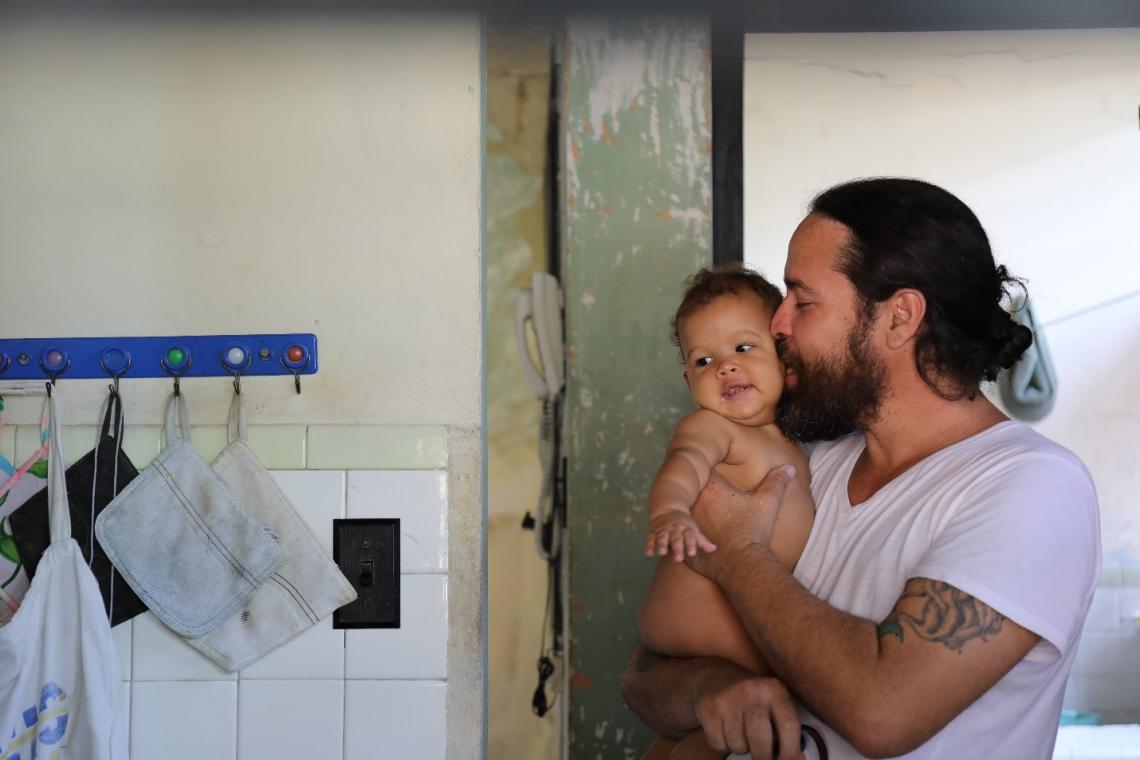
UNICEF Cuba/2019
Leverage critical resources
When Maria recently became pregnant with Oliver, her second child, she and her partner did everything possible to take advantage of the resources at their disposal. “You can never be prepared enough,” says Maria. “Being a mother or father means learning that what you do and what you don’t do has lasting repercussions on the development and happiness of your children. It’s a deep, vital reflection that encourages you to want to do things right from the beginning.
On this occasion, they learned that they had access to free childbirth classes. “They were very useful; we met other couples in the same situation,” she says.
They also knew that MarIa had the right to choose a person to accompany her in childbirth, and Juan Carlos wanted to take advantage of this opportunity. “For me, it was a vital and unrepeatable experience that I believe all parents should live. It’s hard to imagine the pain and sacrifice that women have to suffer,” he says. “That arrival commits you for life.
Juan Carlos learned about these rights and services through the communication materials of “Padre desde el principio,” [Father From the Beginning] an initiative led by Cuba’s Ministries of Education and Health with help from UNICEF. The aim is to engage fathers by informing them of their rights, responsibilities and the benefits of shared fatherhood in an equitable manner.
Maria exclusively breastfed her two children for the first six months of their lives. “It would not have been possible without Juan Carlos. It is true that I am the only one who can feed them, but Juan Carlos was the one who got up at night to bring them to me and who took care of the household chores.
Combating gender roles for future generations
Juan Carlos was also the one who stayed at home with his children when Maria’s maternity leave ended, so she was able to return to work. “It’s been a wonderful experience,” he says. “Having a role in [their lives] from the beginning gives you the security to take care of them completely, and enjoy it!”
Maria agrees: “He has not only taken on traditional roles, such as washing and cleaning, preparing food or caring for the baby: they have also spent quality time together, developing a parent-child bond that will be the basis of their relationship in the future.
The “Father From the Beginning” initiative promotes equal parental responsibility from birth, precisely because if parents are involved from the beginning, they are more likely to continue to be involved throughout their children’s lives. Parents who are actively involved from the outset not only demonstrate a greater commitment to protecting their children from violence and prioritizing their education and health: they also challenge deeply rooted beliefs and stereotypes of masculinity.
“At first, our neighbors thought that our way of raising our children was strange, but they no longer see it that way,” says Juan Carlos. “I see a change: younger generations are evolving.
Argentine Abortion Rights Expanded
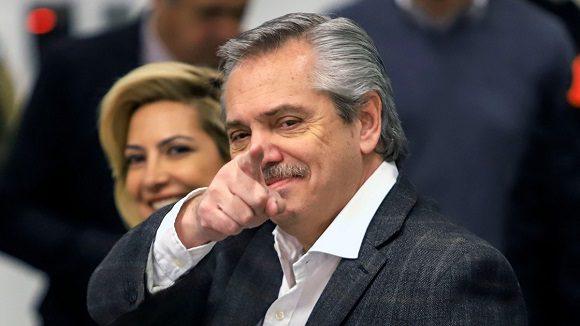
Alberto Fernández enforces guarantees for legal abortion in Argentina
On Friday the government of President Alberto Fernandez launched measures to guarantee non-punishable abortion in Argentina
Author: Digital Editor | internet@granma.c
December 14, 2019 10:12:32
Translated and edited by Walter Lippmann for CubaNews.
Alberto Fernández, President of Argentina. Photo: AFP
On Friday the government of President Alberto Fernandez launched measures to ensure in Argentina non-punishable abortion, such as setting a deadline of 10 days to perform it, without changing the law prohibiting the free termination of pregnancy.
“The anti-rights always use any kind of arguments and even justice for not complying with the law. This is just a procedural guide or protocol. It’s public health, it doesn’t make sense to turn it into a religious or political debate,” Health Minister Ginés González García told La Red radio station.
Abortions are legal in Argentina only when the woman’s life is in danger or when the pregnancy was the result of rape.
“We are respectful [of doctors] who raise conscientious objections, but this cannot be an alibi for [health] institutions not to comply with the law,” the minister said at a press conference.
A period of 10 days is established for the performance of the abortion from the moment the Legal Termination of Pregnancy (ILE) is requested.
A bill authorizing legal, safe and free abortion was approved by the Chamber of Deputies in 2018 but failed in the Senate.
Since then, anti-abortioni sectors have intensified pressure and obstacles to comply with the non-punishable abortion law that has been in force since 1921, and there are even provinces that refuse to comply with the law.
Fernández announced that he will promote a new debate on abortion in Congress, where the pro-government bloc is the first minority in the Lower House and the president has a majority in the Senate.
The minister explailned that the protocol helps “health workers be backed by the law because in controversies [with anti-abortionists] they are frightened or intimidated.”
“The protocol says what the health teams should do, medical evaluations, what is the bibliography to consult and the medication used,” said González, who is in favor of legalizing abortion. He said the protocol complies with World Health Organization recommendations.
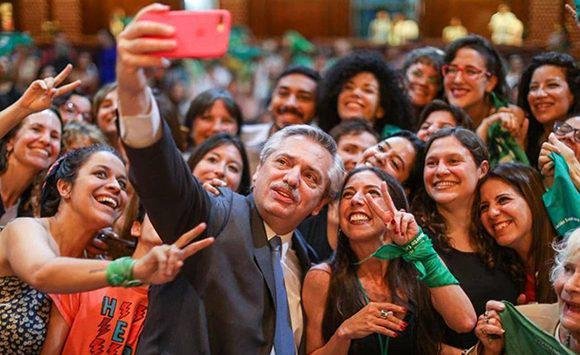
A controversy had erupted in November when the outgoing government of President Mauricio Macri vetoed a protocol similar to the one implemented this Friday, despite the fact that it had been signed by the former Minister of Health, Adolfo Rubinstein, who had to resign.
Non-governmental organizations claim that in Argentina there are between 370,000 and 520,000 clandestine abortions a year. (CUBADEBATE)
The Empire’s Unconventional War Strategy
The Empire’s Unconventional War Strategy and Organized “Civil” Violence
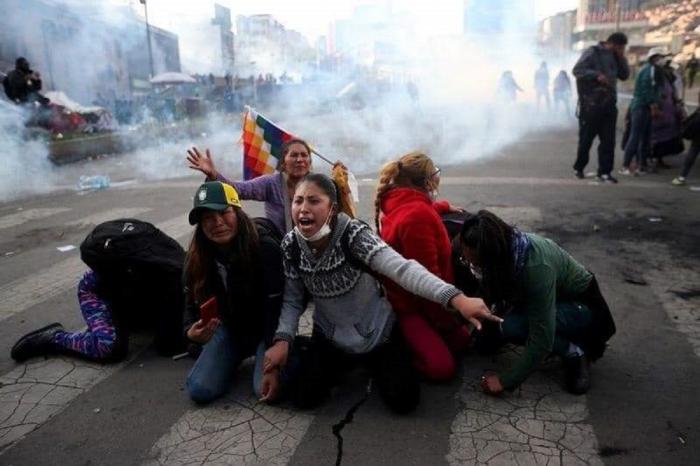
In several Latin American countries, in Iran and elsewhere where governments not in the interests of the U.S. rule, the CIA special forces establish as a mode of interference the creation of violent groups apparently disorganized and spontaneous, which seek to sow chaos, to criminalize social protests and to justify the murderous action of security forces.
Author: Raúl Antonio Capote | internacionales@granma.cu
December 11, 2019 01:12:56
Translated and edited by Walter Lippmann for CubaNews.
What happened in Bolivia demonstrates Washington’s strategy to destabilize the region and impose its interests. Photo: TELESUR
While the repressive forces in Ecuador confronted the people who were demonstrating against the neo-liberal measures of Lenín Moreno’s government, and while the security forces murdered, tortured and kidnapped the participants in the protests, Ecuadorian television broadcasted SpongeBob dolls. Any attempt to present the truth was censored.
Apparently disorganized and spontaneous violent groups acted. Their objective: to sow chaos, to criminalize protests and to justify the homicidal action of the security forces.
In Chile, after the lethargy cultivated with care by the media and fertilized by years of terror, the people woke up. The sons of Lautaro, Caupolicán and Allende defied the security forces. On October 14, 2019, high school and university students organized to massively evade [hiked prices for] the Santiago subway. The reason, a protest to the rise in the value of the ticket. But it was only the beginning, it was just a spark. Faced with the real situation of inequality created by neo-liberalism in that country, the protest became radicalized and generalized.
While the demonstrators, mostly young people, raised their arms to show the peaceful nature of the marches, violent events occurred in several places. Groups with no apparent relationship between them, alien to the demonstrators, were responsible for these events. The denunciation made by several people situates them in scenarios where Carabineros forces acted, to which some videos uploaded to social networks show them, even participating or stimulating the looting.
Here, too, the mass media opt for silence, for the criminalization of protest, while the forces of order murder, rape, and beat as in the “best times” of the dictatorship.
In Bolivia, a set of factors came together to bring about the fall of the government of Evo Morales. They were not only elements of internal dynamics, cyber attacks, espionage and propaganda tasks, destabilization campaigns, they were also criminal groups with no apparent connection between them, allied with military and police forces involved in the plot, external diplomatic action and intervention by destabilizing agents of the U.S. Embassy.
Bands of criminals protected by the narrative of “popular indignation,” for alleged electoral fraud, took control of the cities, carried out roadblocks in the style of the Venezuelan guarimberos, burned institutions, made threats, committed murders, tortured on the streets, and humiliated social and political leaders.
These right-wing criminal groups, armed, invisible to the media, acted with absolute coordination and took strategic points of the capital of the country, an example was the seizure of Bolivia TV, which shows a great advance preparation. They did not act at random: they directed their blows with precision, they knew against whom to proceed, they kidnapped, murdered and destroyed, selectively.
It was not a question of the people dissatisfied with a fraud that never happened, but of well-planned aggression. The people of Venezuela and Nicaragua, who have been victims of these unconventional acts of war, are well aware of this.
Not only in Latin America
The M.O. is not exclusive to our region. Last November, Iran suffered a wave of violence that destroyed 730 banks, 70 service stations, 140 government buildings and more than 50 security force bases.
Thousands of angry protesters took to the streets for days and attacked gas stations, banks and government buildings following the announcement of rationing and a 50% increase in fuel prices.
Here again, the tactic used in Bolivia is repeated: armed groups, perfectly coordinated and trained, act on the ground. Using the “swarm” technique, the groups communicated with each other and concerted actions using text messages to meet at points of attack.
The aggression came to a halt when the government turned off the Internet and wireless networks. Iranian security forces succeeded in capturing several CIA agents acting in these alleged anti-government groups.
Political Action Groups
In a 2003 book, Special Ops: America’s Elite Forces in 21st. Century Combat, the author states:
“Highly confidential, the Special Operations Division is considered the pre-eminent special operations unit in the world. Members are the elite of the elite. This is due to the sources from which the organization recruits its members: Special Mission Units, such as the Delta Force and the United States Special Naval Warfare Development Group…”.
The Special Activities Center (SAC), a division of the U.S. Central Intelligence Agency (CIA), is responsible for conducting undercover operations known as “special activities”. Prior to 2016, the unit was called the Special Activities Division.
Within the SAC there are two separate groups: the Special Operations Group (SOG) for tactical paramilitary operations and the Political Action Group (PAG) for covert political operations.
The Political Action Group (PAG) is responsible for covert activities related to political influence, psychological operations and economic warfare. With the rapid development of technology, cyber-warfare was included in its missions.
The SAC offers its services to the President of the United States as an option when military and diplomatic actions are not politically viable or feasible.
The Political Action Group conducts covert operations to bring about political change. Covert intervention in a foreign election is considered by the sac the most important form of political action. This could include financial support for “appropriate” candidates for the United States, support with specialized media, technical support for public relations, resources to influence the vote, participation in political organization, legal advice, publicity campaigns and what they call “other means of direct action”.
According to SAC specialists, political decisions can be influenced by active values, such as the uprising of U.S. officials, pressure on officials and political leaders to make official decisions aligned with U.S. policy and objectives. In addition, they can develop mechanisms for the formation of public opinion favorable to U.S. interests, actions that involve the covert use of propaganda.
They may employ officials to work as journalists, use influential agents, operate media platforms, plant certain stories or information in places where it is expected to come to light “naturally,” or try to deny and/or discredit information that is in the public domain.
Most U.S. experts consider the SAC the current special operations force, perfect for unconventional warfare.
Some examples of the company’s political action programs were actions to prevent the Italian Communist Party (PCI) from winning elections in 1948; already in late 1960, the 1953 Iranian coup d’état; Chile 1953; Guatemala 1954; Indonesia in 1957, as well as the provision of funds and support to the Solidarity union in Poland 1981, attempted coup d’état in Venezuela 2002; coup in Honduras 2009, Nicaragua 2018, Juan Guaidó’s self-proclamation in Venezuela, attacks on the Venezuelan National Electric System (SEN) 2019, etc.
As clear as water: the presence more than once of officials and agents of the US special services in the field denounced during these actions, plus the recognition in public documents of their interventionist actions against governments that are not related to them, proves the direct interference of the United States in these blows, which only have a soft name, because they have left a mark of blood and suffering in all parts of the world.
To foresee is the word of order, the progressive forces, the leaders of the left must be prepared and prepare their peoples. It is necessary to be willing to give everything, to face with intelligence the Yankee plans and to win.
Fountains:
A Guide to America’s Special Operations Units : the World’s Most Elite Fighting Force. Da Capo Press.Southworth, Samuel A. & Tanner, Stephen. 2002. U.S. Special Forces.
At the Center of the Storm: My Life at the CIA. Harper Collins. Tenet, George. 2007.
You must be logged in to post a comment.