Three Chinese Generals in the Cuban Revolution

Stories of Three Cuban-Chinese Generals in the Cuban Revolution
American publisher Pathfinder presents a second edition of the book of interviews with generals Armando Choy, Gustavo Chui and Moisés Sío Wong
Published: Tuesday 06 February 2018 | 11:55:33 PM
 By Leyanis Infante Curbelo
leyanis@juventudrebelde.cu
Translated and edited by
Walter Lippmann for CubaNews.
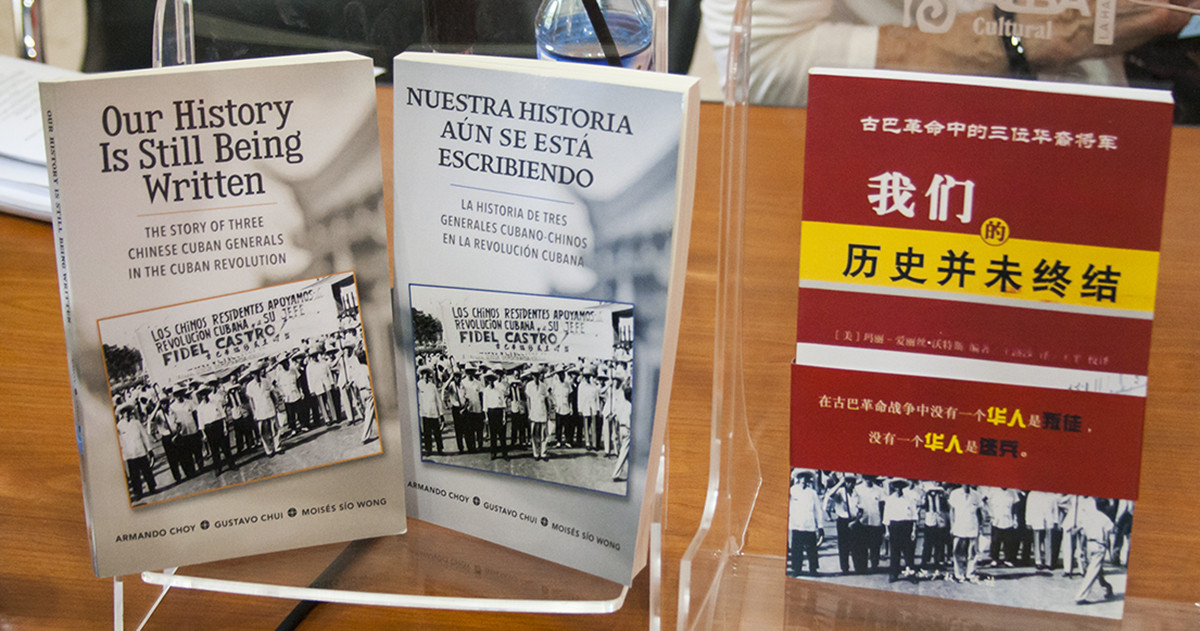
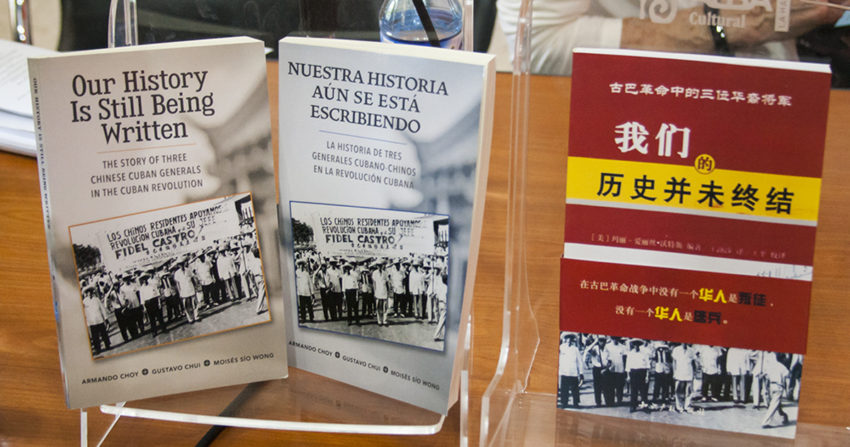
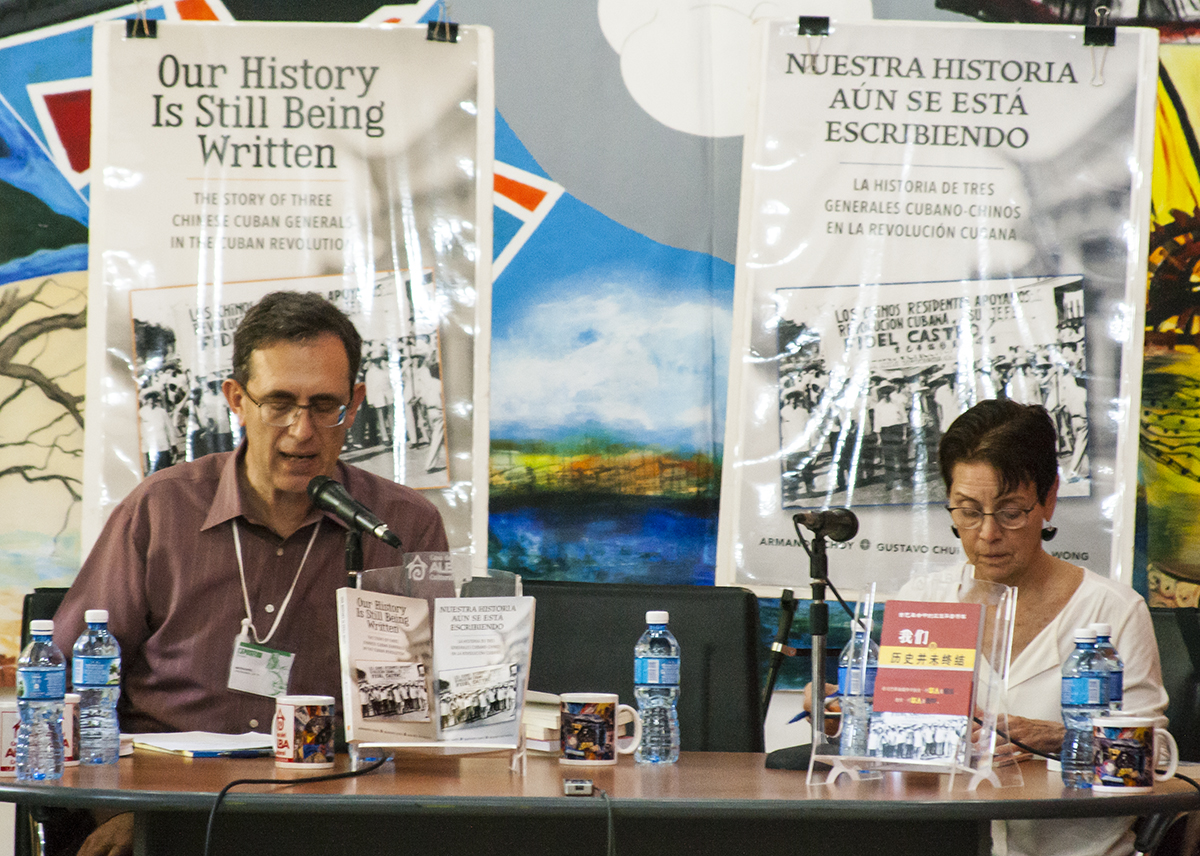
Our history is still being written. The story of three Chinese-Cuban generals in the Cuban Revolution is the proposal with which the American publisher Pathfinder brought to the 27th edition of the International Book Fair of Havana, in a second edition of the text, in this case with versions in Spanish, English and Chinese.
Originally published in 2006, the volume was enriched with new photographs and updated context information, according to Martin Koppel, editor of the Spanish-language version, during Tuesday’s presentation at the Casa del Alba Cultural.
The protagonists of these pages are Cuban generals Armando Choy, Gustavo Chui and Moisés Sío Wong (already deceased), all of Chinese descent, who, through a series of interviews, conducted by members of the publishing house for several years, share their experiences in the revolutionary struggle and important moments of the Cuban Revolution, such as the war in Angola or the harsh years of the Special Period.
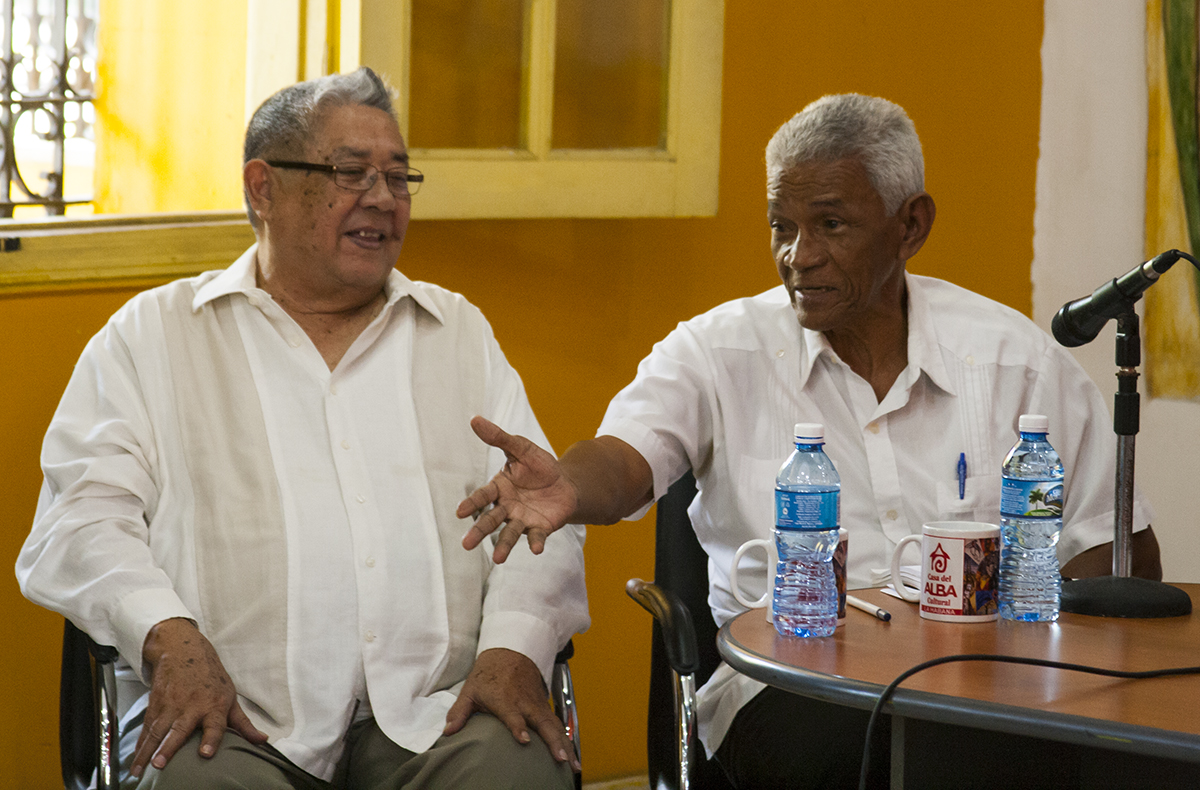
Cuban generals Armando Choy and Gustavo Chui. Photo: Maykel Espinosa Rodríguez
Something is very clear from the very first lines of this book of testimony: one cannot talk about the history of Cuba without mentioning Chinese participation in it.
The book is divided into three main thematic and historical sections. The first tells about the future of three young people and their incorporation into the struggles against the tyranny of Fulgencio Batista and the Revolution led by Fidel Castro. In addition, it offers a panorama, always from a personal dimension, of the formation of the Chinese community in Cuba.
A second chapter covers the years of Angola’s epic era between 1975 and 1991, and the implementation in Cuba of the concept of war of the whole people in the 1980s, following the aggressive escalation of the US government led by Ronald Reagan.
Up to the most current moments of the Revolution, the third and last section approaches, beginning with the start of the so-called Special Period. In this book, the reader will find anecdotes and reflections on the deep economic crisis that the Cuban nation went through in the 1990s, after the fall of the Socialist Camp, the search for alternatives and the relationship with the Bolivarian Revolution since 1998.
A fundamental principle is at the heart of the book’s pages, because from the fiber and the actions of its protagonists, we discover some Cuban-Chinese who believe that a better world is possible, but only with a socialist revolution.
One of the greatest merits of the text, according to Koppel, is the possibility of bringing together millions of men and women who changed their social reality and became different human beings.
Mary-Alice Waters and Martin Koppel, editors of the English and Spanish versions respectively. Photo: Maykel Espinosa Rodríguez
What began as an interview for the Socialist Workers’ Party newspaper in the United States in which the editors are active, became a major project, which lasted for several years and more than 12 interviews and ended up as one of Pathfinder’s best-selling and most popular books.
Mary-Alice Waters, editor-in-chief of the English-language edition and chief interviewer, spoke of the tremendous impact the book has had outside Cuba, mainly in the United States, Canada, Britain and Australia. No book published by Pathfinder in recent decades has been so widely disseminated internationally,”he said.
The work already has a significant track record, with presentations in more than 25 countries. More than 15,000 copies have been sold and it has translations into English, Chinese, and soon French, which guarantees its acceptance. In the case of the United States, it has presented itself in more than 20 cities and as many universities.
Along with all of the above, the editors consider that there are other reasons that make the book relevant: Through its pages readers will discover that Cuba was the first destination of large-scale Chinese emigration in the nineteenth century, will be surprised by the great participation of Chinese in the wars of independence against Spain between 1868 and 1898 and, Above all, it is clear that, unlike many countries in the world, discrimination and prejudice against Cubans of Chinese descent no longer exist, thanks to the social revolution that triumphed in Cuba in 1959.
Additionally, they point out that the Cuban Revolution, its beginnings, and most recent history continue to capture the interest of many people around the world, especially from a working class that seeks answers and alternatives to the crisis situation they have recently experienced and are still experiencing.
For General Gustavo Chui, this book is a tribute to Chinese emigration to Cuba in the 19th century, which fought tenaciously to settle in our country, assume its customs and participated in its wars of independence and social struggles in the compromised Republic. That’s why we say that our history is still being written, because from the contribution of our ancestors until today, we continue to be intertwined in every stage of Cuban history.
Chui added that although at first, they thought it was a book for Cubans, then they understood the importance that it could have outside the country, as it was a way to tell the story of the Cuban Revolution and transmit its message.
Cuban readers approached this publication through the Political Editor of the Party’s Central Committee in 2006, so this new presentation of Our History… offers the opportunity to acquire this title, currently sold out in Cuba, at Pathfinder’s booth in the San Carlos de La Cabaña fortress.
The presentation of this second edition was also attended by Caridad Diego, member of the Party’s Central Committee and president of the Friendship Society Cuba-China; General Harry Villegas (Pombo) and members of the Cuban Revolution Fighters Association and the community of the Asian country in the country.
Pathfinder publishing house brings together more than two decades of work with Cuban authors and has published more than a dozen books on our Revolution – which Martin Koppel considers an example for workers and young people in the United States – and its protagonists.
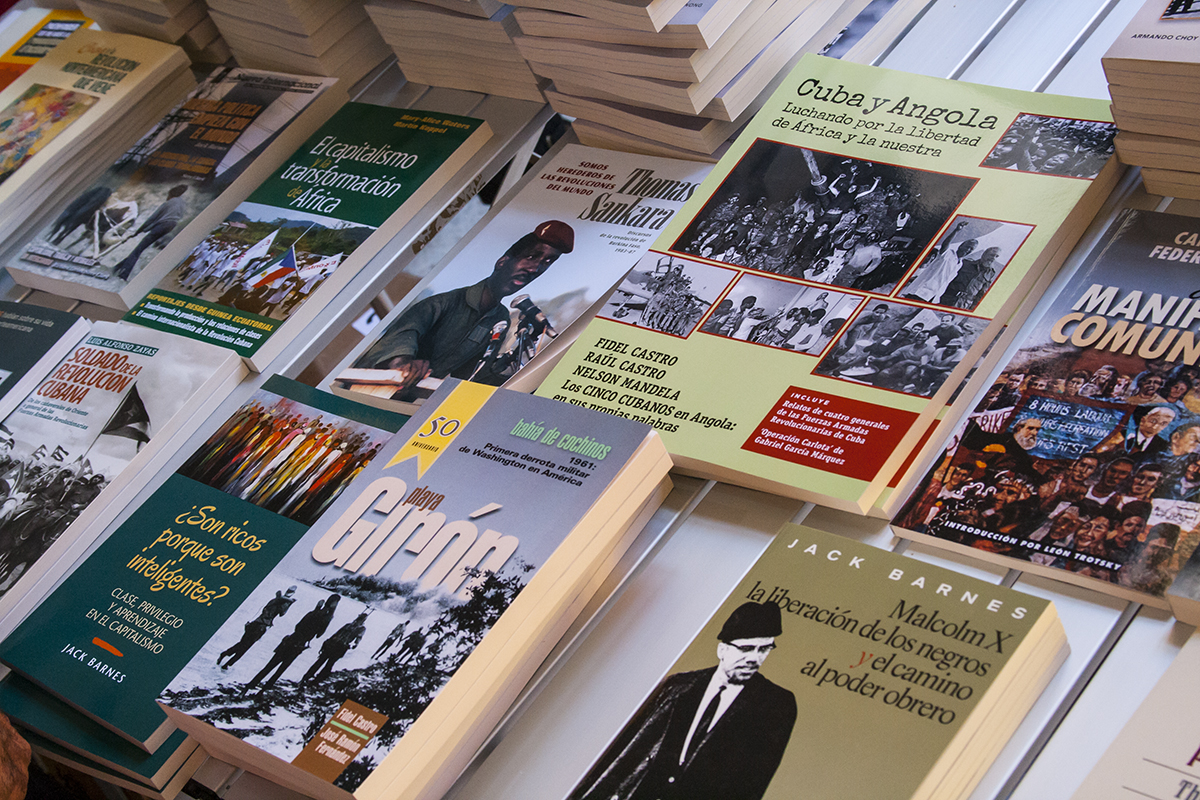
Other titles brought to the Fair this year by the publishing house. Photo: Maykel Espinosa Rodríguez
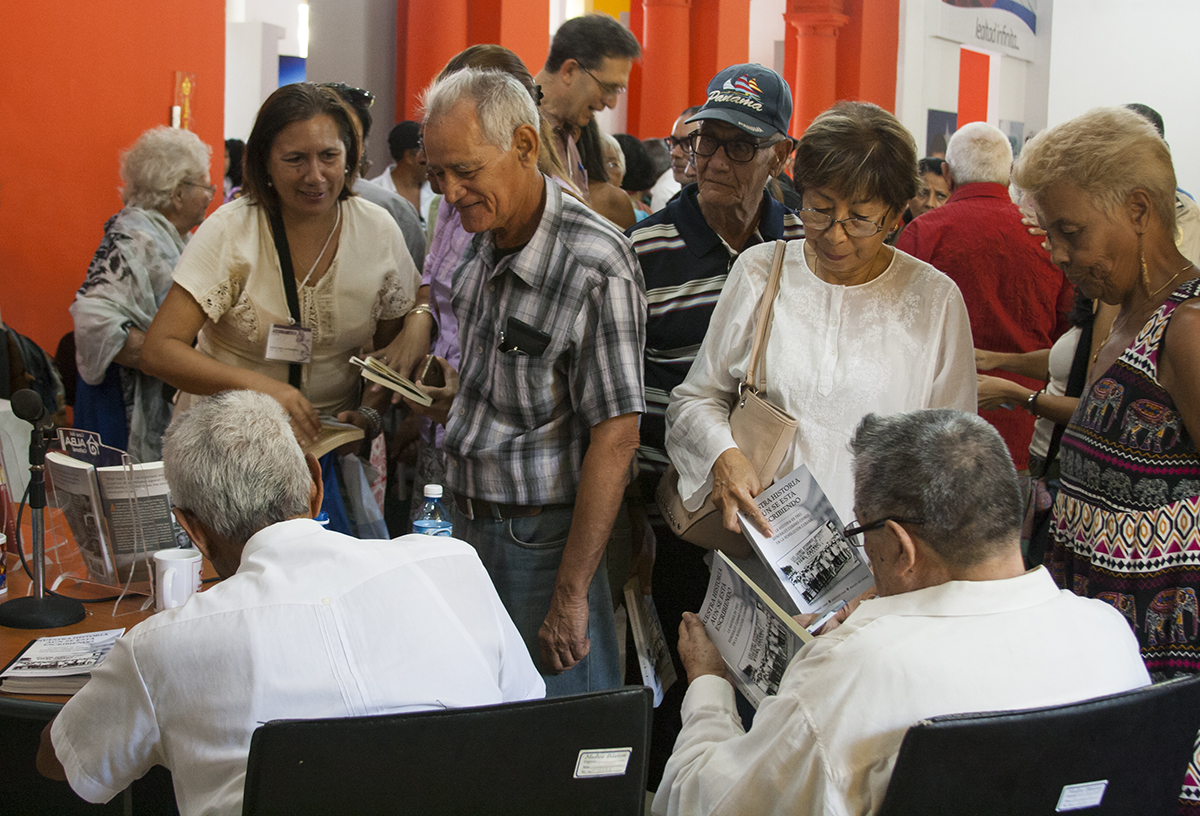
An avalanche of readers waited for the signing of these heroes in their books. Photo: Maykel Espinosa Rodríguez
USA: Emma, short hair and bare feet


USA: Emma, short hair, bare feet
By Nicanor León Cotayo
Translated and edited by Walter Lippmann for CubaNews
Emma González
In the form of a small hydrogen bomb, the student Emma Gonzalez’s speech about the tragedy that occurred on Valentine’s Day at Marjory Stoneman Douglas High School in Sunrise, Florida was echoed in the United States.
El Nuevo reporter Martin Vassolo said Saturday that González, 18, with her hair short and bare feet, has planted her words in the middle of the national debate on firearms.
She made her plea -already seen by millions of Americans- in a federal court in Fort Lauderdale, where she criticized President Donald Trump, the National Rifle Association and politicians funded by that organization.
This other denunciation implicitly crucified the system of life that prevails in the United States.
Last year’s seniors had a debate Wednesday with Dana Loesch, spokesperson for the National Rifle Association, about the ease with which an 18-year-old can buy a rifle there, even though the law prohibits her from buying a beer.
My phone hasn’t stopped ringing,” said Gonzalez, who grew up in Parkland and whose father is a Cuban immigrant.
She is part of the NeverAgain movement, which emerged after the shooting, and is one of the organizers of the national march against gun violence scheduled for March 24.
During an interview this Friday with the Miami Herald, the young woman rejected what Trump said about teachers carrying guns.
And she expects lawmakers to make the changes they call for, especially in an election year like this.
Se thanked prominent Hollywood artists, on behalf of her organization, for the donations received and announced that she will return to school next Wednesday.
She finally clarified that at the moment she doesn’t have time to share with friends because she can’t lose a minute in this fight.
All of this helps explain, among other things, why Donald Trump is the most unpopular president of recent years in the United States.
In addition, the evident wear that already surrounds his figure, because it is not enough that sectors of the extreme right support his speech and action.
Perhaps the November elections will give interesting signals in this respect.
Comments
#5 Liliana 27-02-2018 10:54
My brave girl, you are not alone, in the United States a people marked by massacres with firearms, and in CUBA a FEU that transmits values to the rest of the world, FORWARD, you cannot deny that your origins are Cuban, PURA CEPA. [pure bred]
#4 Liliana 27-02-2018 10:42
It’s good to see that you’re not in CUBA, my girl, because if you weren’t part of the oldest Federation, the FEU, and then you didn’t have to fight against a wealthy and psychologically unfit president. But force, that the FEU is not there in an active way, but a Cuban woman who carries in her blood the fight for injustice and atrocious crimes.
#3 Fito 27-02-2018 09:59
Pride of pride in her Cuban origin. Let’s fight for a better world, no matter what the trench, although we certainly don’t agree on everything.
#2 vile 26-02-2018 14:29
The daughter of a Cuban there has money, but her life is in danger, and if her life is in danger, she wants the money. Cuba, always fighting for just causes, is that it has it in its blood. What irony can’t buy a beer because you are underage, but if you can buy a rifle, a gun with which this society has already reached chaos.
#1 Zarza 26-02-2018 12:14
Animo, who said that everything is lost in this society when there are young people who express themselves in this way with courage and respect for their fellow men.
We’ll see if they can stop this avalanche that has just begun, the politicians of the trump era..
Translated with www.DeepL.com/Translator
All Out to Defend the Bolivarian Revolution
All Out to Defend the Bolivarian Revolution
 By Manuel E. Yepe
Exclusive for the daily POR ESTO! of Merida, Mexico.
http://manuelyepe.wordpress.com
Translated and edited by Walter Lippmann for CubaNews.
It is evident that U. S. military intervention in Venezuela is already something determined and underway. It’s the prow of an imperialist strategic plan aimed at politically liquidating the Bolivarian integrationist example and appropriating the great energy, aquiferous and jungle mineral wealth of this nation.
The vitality of the Bolivarian liberating process, in spite of how much the oligarchy spends, and especially Washington, to regain control of that nation, has driven the empire to despair.
The recent tour of Latin American countries by U. S. Secretary of State Rex Tillerson, had the unhidden purpose of increasing tension in the region, arousing support for coup action in Venezuela, tightening political and financial isolation against Caracas and proclaiming that the United States has brought back the Monroe doctrine, whose motto “America for the Americans” reflects its true imperialist meaning.
In Latin America, the harassment of the Venezuelan government, orchestrated by the extreme right-wing warrior which follows Washington, has formed a bloc led by the presidents of the countries of the Pacific Alliance. Collectively and individually, they cynically declare Venezuela must “recovers freedoms, democracy, the rule of law and respect for human rights and must overcome the serious economic and humanitarian crisis that is causing suffering to the Venezuelan people”.
Central American journalist, lawyer, writer and anthropologist Ollantay Itzamná has pointed out how, after discrediting and politically punishing several of the honest precursors of Latin American dignity promoted by MERCOSUR, CELAC and ALBA, the U. S. government has turned to its very helpful and grotesque tactics of using the OAS and the fourteen subservient and corrupt governments of the Lima Group (Argentina, Brazil, Canada, child, Colombia, Costa Rica, Guatemala, Guyana, Honduras, Mexico, Panama, Paraguay, Peru and St. Lucia). to support Washington in its infamous plan to invade and loot Venezuela.
And what is the democratic and moral quality of these anti-Venezuelan governments? The leading analyst asks himself and describes some of them:
Mauricio Macri, president of Argentina, who is still in power thanks to pacts with corrupt politicians. As soon as he took office, evidence emerged of his tax evasion in the Panama Papers cases. Then, he was involved in the great Odebrecht scandal, with the corrupt Brazilian businessman who bought Latin American presidents and legislators at prices lower than those of the beasts of burden during the colonial era.
Juan Orlando Hernández, president of Honduras through fraudulent and unconstitutional elections. During his first administration, he turned his impoverished country into the most violent and hungry in Latin America. To the massive protest over the manipulation of the results of the unconstitutional re-election, he responded by killing almost fifty political activists and imprisoning many others.
Jimmy Morales, current president of Guatemala, was denounced and investigated by the International Commission against Corruption and Impunity in Guatemala (CICIG) for having used drug money for his election campaign.
Juan Manuel Santos, president of Colombia who negotiated the pacification of the country but, in this “Colombia at Peace”, a massacre is carried out of human rights defenders, indigenous people and peasants who demand the restitution of their lands.
Pedro Pablo Kuczynski, host and mainstay of the so-called Lima Group, serves as president of Peru thanks to the purchase of deputies from Alberto Fujimori, who with his votes, prevented the removal and punishment of this American citizen who, in order to govern the Andean country, had to renounce his U. S. citizenship.
Michel Temer, president of Brazil without having won any election at the polls. He is one of the corrupt politicians of that country who led the coup d’ état against Dilma Rousseff and stopped investigations against corruption.
And Donald Trump is counting on this team to impose his will on Venezuela. This is the same logic with which he proposed to arm teachers to ward off the increasingly frequent shootings in U. S. educational centers.
Determined to consolidate their revolution, the Venezuelan patriots are ready to defend it with the weapons of democracy, while this is possible!
Latin America – and Humanity as a whole – hopes that the Venezuelan will to silence arms using democratic measures will stop imperialist barbarism without the peoples having to resort to revolutionary violence to defend it, and thereby set the prairie on fire.
Translated with www.DeepL.com/Translator
Journalism and popular control
Journalism and popular control
By Author: Ricardo Ronquillo Bello
ronquillo@juventudrebelde.cu
A CubaNews translation. Edited by Walter Lippmann.
Which is most important in a modern, interconnected society: the prevalence of a broad system of public ownership of the media or the confidence of its recipients? Does the type of media ownership itself guarantee the much-contested credibility? These, like others, are among the questions we must ask ourselves in Cuba, which has begun the path towards updating its model of socialism.Or perhaps the question should be rephrased: does the monopoly of public ownership of the media guarantee it a monopoly of credibility, influence and authority?
The degree of public exposure and information currently available requires that discourse, in order to be effective, legitimize itself before public opinion.
Julio García Luis, Doctor in Communication Sciences, maintained that, of course, there are monopolies on media discourse, big monopolies, part of a grotesque tyranny, with different scales, local, regional, world-wide; but these subsist for their apparent porosity, for their ability to blend, for their feigned independence from the real power. On the contrary, what is difficult today would be a monopoly of airtight claims such as those already known.
He added that ideology, whether or not carried out through discourse, is what allows the world to be perceived –with deforming prisms or sharpness-. It is what makes it possible to organize the power and exercise of hegemony, and it is what gives the capacity to control the components of society.
In the Cuban case, he said, this control cannot be based on deception, on the manipulation of symbols, but on adequate information, interpretation, persuasion and conviction of the great majority of the public.
Social networks, citizen journalism, among other phenomena, are radically changing the traditional ways in which so-called public opinion and consensus is formed.
So, other questions we must ask ourselves are: How do we build consensus in the information society in which we inexorably enter? What role does journalism play in the construction of an authentic and credible hegemony of revolutionary ideology? How can communication systems appropriate the new tools to move towards more democratic and participatory forms? How can we guarantee greater authority and influence in front of increasingly dispersed audiences?
The truth is that [today] Cuba’s public communication system is challenged to reformulate its authority before the public, based on the only thing that guarantees it: credibility. It is something that is possible not only with a change in the media model, but in the entire communicational model of society, and with a truly revolutionary conception that would define the press as one of the forms of popular control.
Research in recent years shows that this structural weakness has different dimensions, and therefore what is at issue in the new conjuncture is to consider a structural change, as was outlined on the last congress of the Union of Journalists (UPEC) and on successive professional and political meetings.
In order to overcome these tendencies, in addition to trained professionals, we have the strength of a journalistic and revolutionary tradition based on the deepest vocation of service inherited from the nation’s founders. Among them was Father Félix Varela, who, in approaching the function and scope of journalism, pointed out: “I renounce the pleasure of being applauded for the satisfaction of being useful to the fatherland”. His brilliant and faithful follower, José Martí, though the press should be the keeper of the country house: “He must disobey the appetites of personal good, and pay impartial attention to the public good”.
That legacy should also be useful for those accustomed to apology, silences and the twists and turns that never failed to arise in the complex path of building socialism.
There are basic reasons to consider the unfeasibility of our continuing with the model of institutional dependency and reaffirmation journalism that prevailed as a rule until today, and to grow towards another one of confrontation of the best revolutionary ideas.
Verticalist and reaffirmation journalism*, –although it allowed the great consensus that the country needed to forge against the aggressiveness of the US, and to structure a model of society under very specific historical conditions– distorted media’s function as a check and balance, which occurred alongside that of other structures of democratic confrontation in the country.
This happens at a time when the Revolution is updating its economic model, as the first step towards gradual transformations, on which, as we are already doing -not without difficulties and misunderstandings. We have a historical responsibility to help create the necessary political consensus and professional vigilance, in order to avoid distortion of its scope.
We cannot ignore the fact that the Revolution is about to go into its toughest test of fire: the relay of the historical generation, while the Cuban media gradually, albeit inexorably, loses its monopoly of influence, as a result of the rise of new technologies.
In this readjustment, the Cuban public press must have an expedited path to support civic debate and revolutionary counter-attack.
*TRANSLATOR’S NOTE:
Verticalism means, roughly, decisions made from above.
Reaffirmation, means, roughly, supports the Revolution.
Travel Photography
Travel Photography, More than Postcards
Our first challenge of 2018 addresses a theme that has gained so much prominence that it has become a genre within photography.
By Leyanis Infante Curbelo leyanis@juventudrebelde.cu
and Maykel Espinosa Rodríguez digital@juventudrebelde.cu
Published: Wednesday 14 February 2018 | 06:21:23 PM
Updated: Thursday 15 February 2018 | 12:12:12:40 PM
Translated and edited for CubaNews by Walter Lippmann.
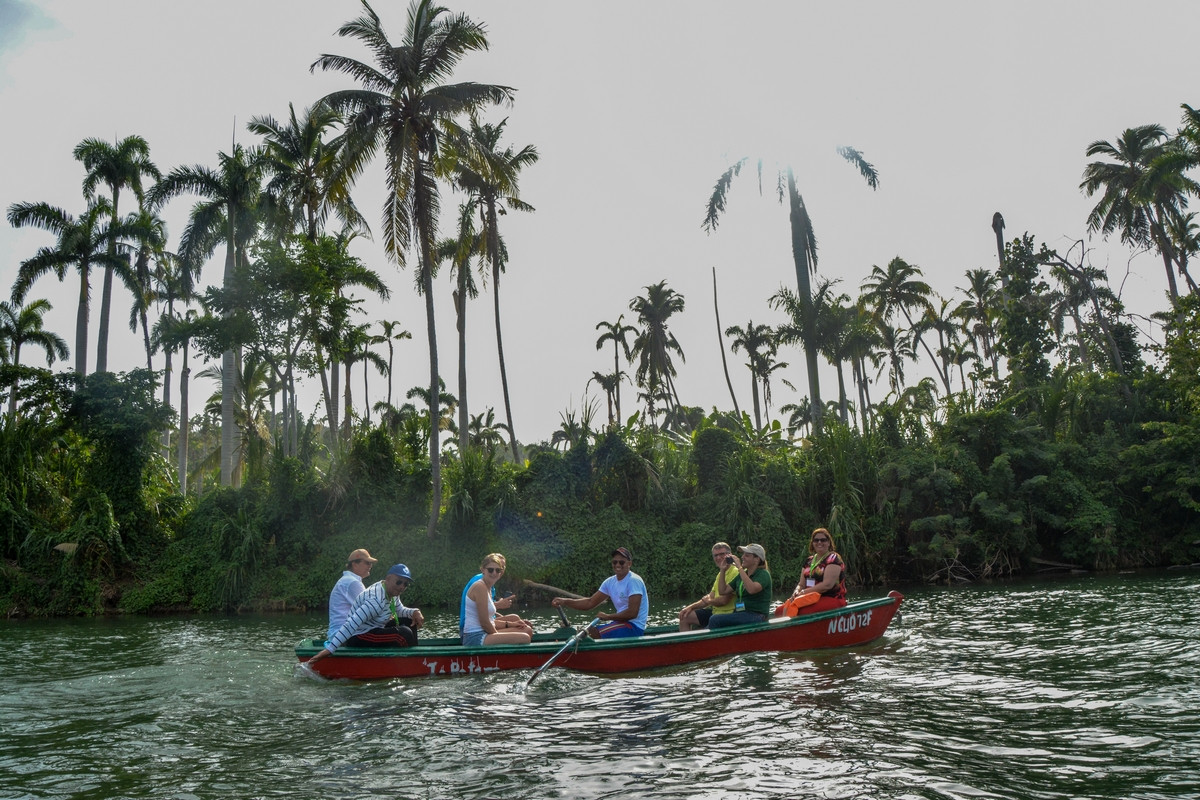
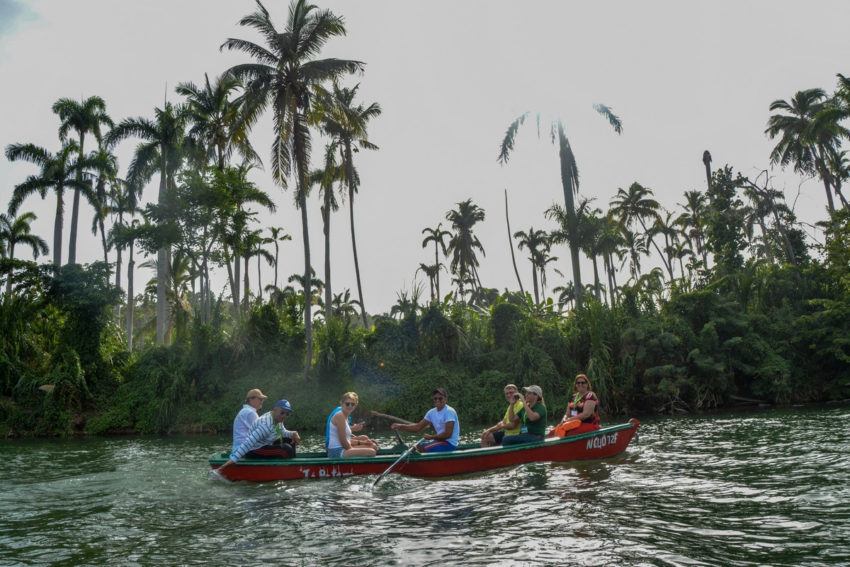
Eastern Cuba. Author: Roberto Suárez Published: 09/10/2017 | 10:10 a
Hello photographer:
With the proposal that we bring you to inaugurate 2018, it is almost impossible that you won’t feel identified. In fact, most of our readers, whether or not they love photography, will feel they have something to say or show for it.
We are referring to travel photography, which with the rise of cyber platforms, and the amplification and cheapening of access to equipment capable of taking photos, is one of the themes that has been most developed and popularized worldwide: travel photography.
It is no longer just professional photographers who display their impeccable graphic memories of the places they have visited. Increasingly, from social networks and blogs people share their experiences in other latitudes, offer advice, suggest itineraries… and show their images. Some even live make a living from it.
So much so that travel photography has begun to be recognized as a [distinct] genre and enough literature has already been written about it.
Usually, we all take images of the places we visit, with the intention of remembering them later and to enlarge our personal graphic memory. But what kind of images do we make, of what objects or subjects we photograph and above all, why.
It’s not just a postcard.
For some authors, travel photography is just one facet of photojournalism, another way to tell stories. And the fact is that, although it is not wrong to want to immortalize in our images in a kind of postcard of what we have seen, there are many other ways to face a tourist visit.
It is clear that there are essential photos. For example, if you visit the Valley of Viñales, you will not fail to take a panoramic photo from the Hotel Los Jazmines, nor from the paradisiacal beaches of Varadero. But you will make a difference when you also begin to tell stories, when you imbue your images with the feeling of the place you visit, portraying its inhabitants in their surroundings, detail traditions, gastronomic culture… and everything that grabs your attention (animals, streets, doors, trees).
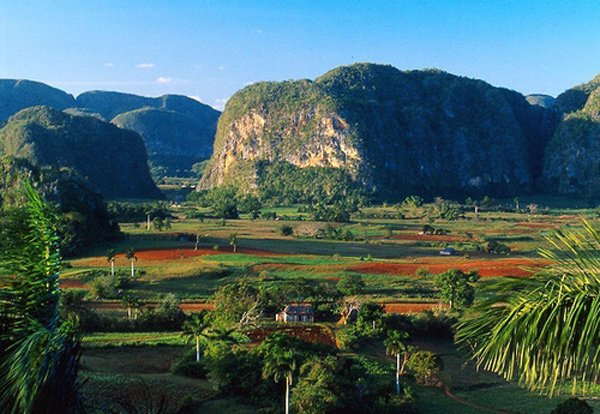
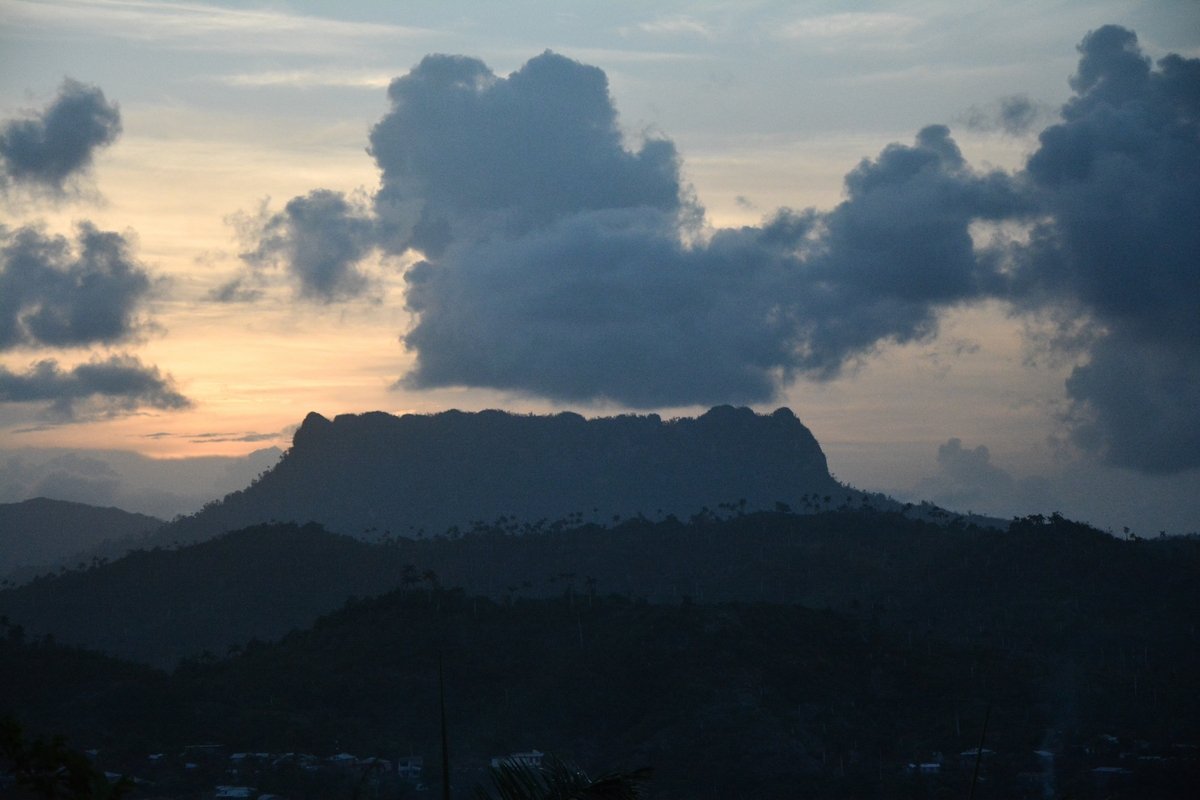
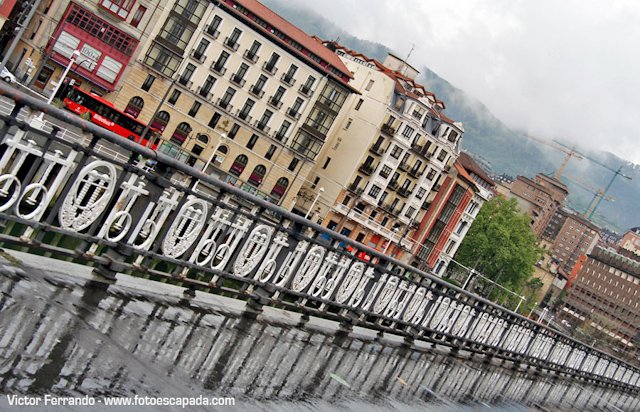
Take pictures from the first moment. Preparations for the trip are also part of it.
Take photos on the means of transport, including the plane. To do this, you will have to be attentive and request the seat in a window in which the wings of the plane do not obstruct your vision. Take advantage of this opportunity to take aerial photos.
In addition to the typical places, it also seeks to bring out daily customs and characters.
Photograph the people of the place… but first, ask them for permission, not only to take the photo but also if you plan to publish it or upload it to your social networks.
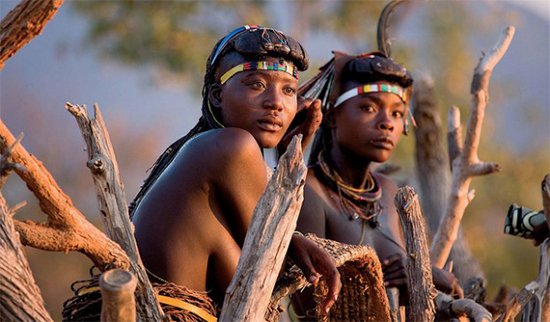
Include tourists and passers-by in your images, that will make them more attractive and moving.
If you photograph your fellow travelers in a space or in front of an important building or monument, take a short shot of your friends, half-body or closer. Otherwise, they’ll be so tiny that you won’t notice them in the picture.
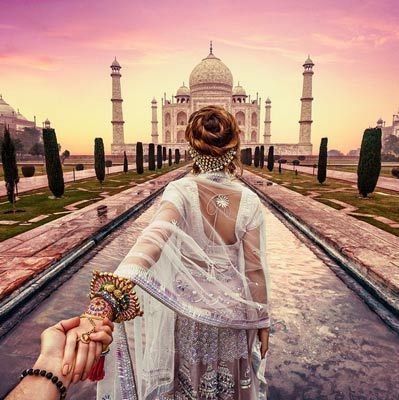
Above all, try to do things with common sense, discretion, and education. When in doubt, always ask.
When you return from your trip, make a rigorous selection. Make the selection as if it were a projection, at 4 seconds per photo, you should be able to see the selected photos in 3 or 4 minutes maximum so you don’t bore your audience.
With information from https://www.blogdelfotografo.com and https://saltaconmigo.com
Cuba Observes International Yoga Day
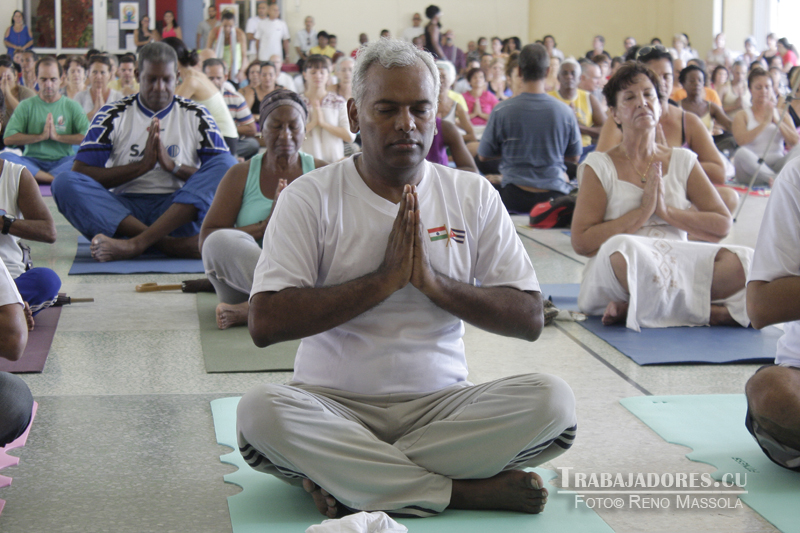

Cuba Observes International Yoga Day
• by
Translated and edited by Walter Lippmann for CubaNews
His Excellency Mr. C. Rajasekhar, Ambassador of India to Cuba participated in the sessions celebrating International Yoga Day.
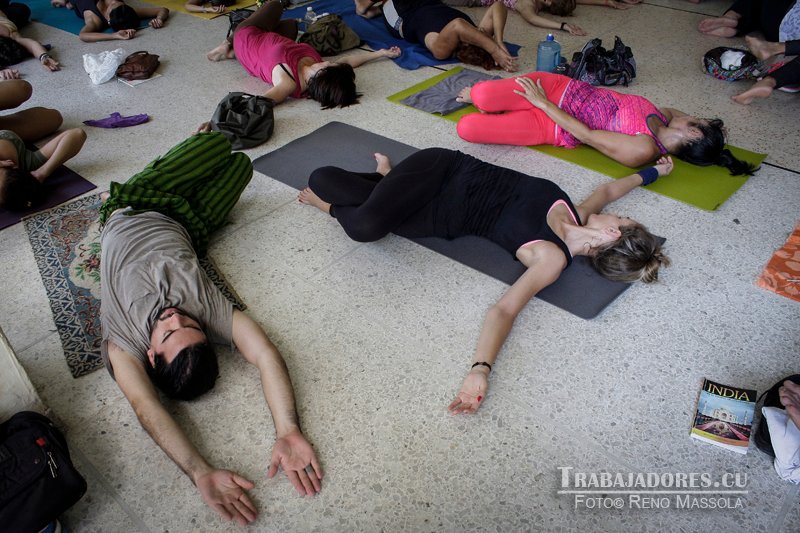
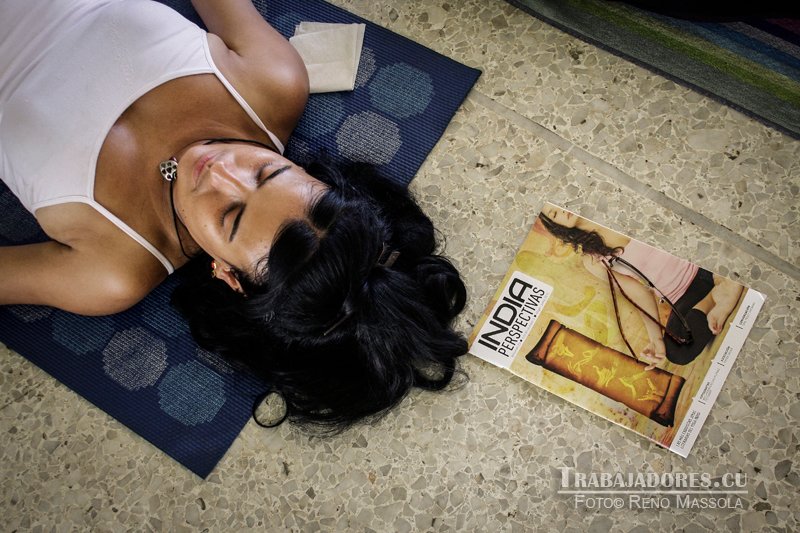
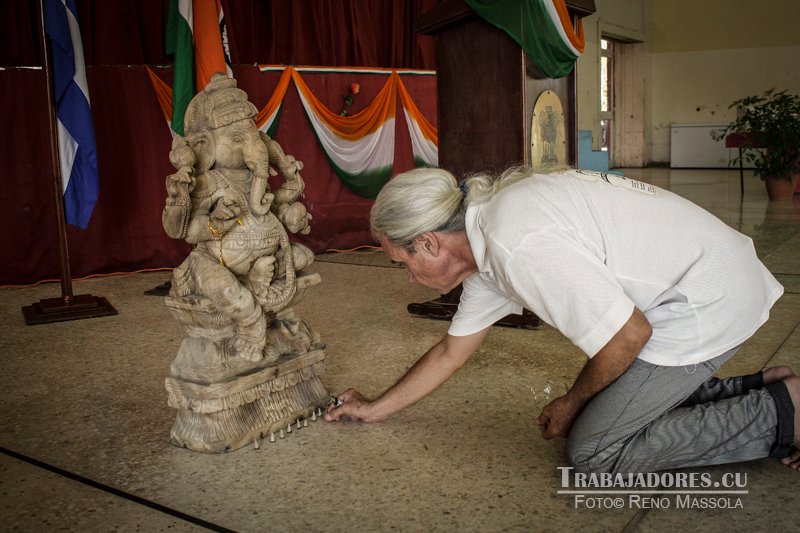
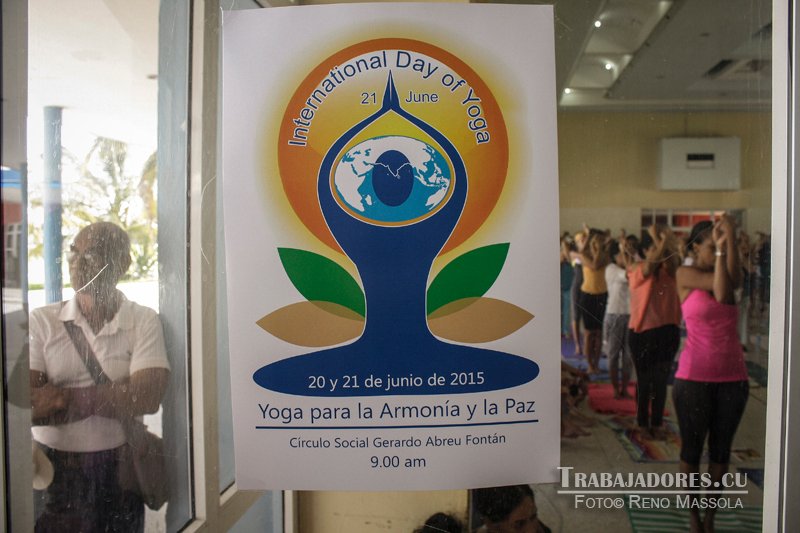
This weekend the celebration of International Yoga Day took place in Havana. The activities took place in the Círculo Social Gerardo Abreu Fontán of this city.
Yoga is one of the most important legacies of our culture, and we are very proud that the United Nations has designated this day to celebrate it, at the request of the Prime Minister of India, Rajendra Modi and with the support of more than 170 countries, explained His Excellency Mr. C. Rajasekhar, Indian Ambassador to the Island.
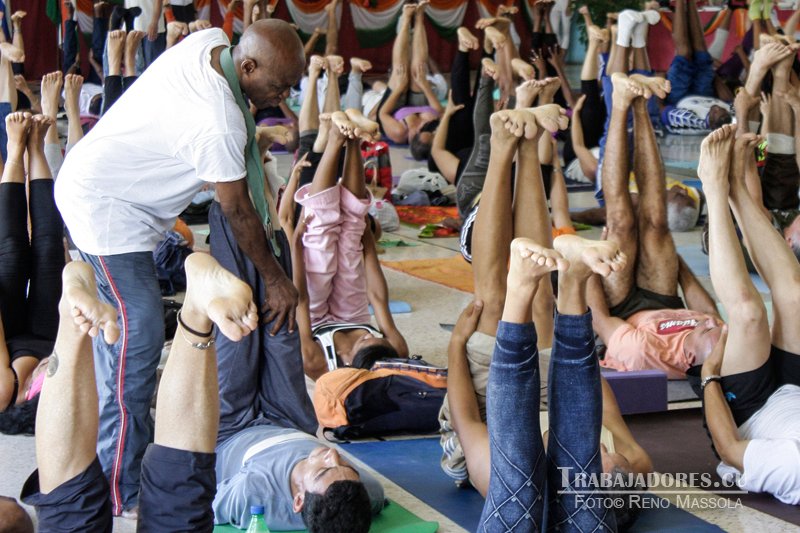
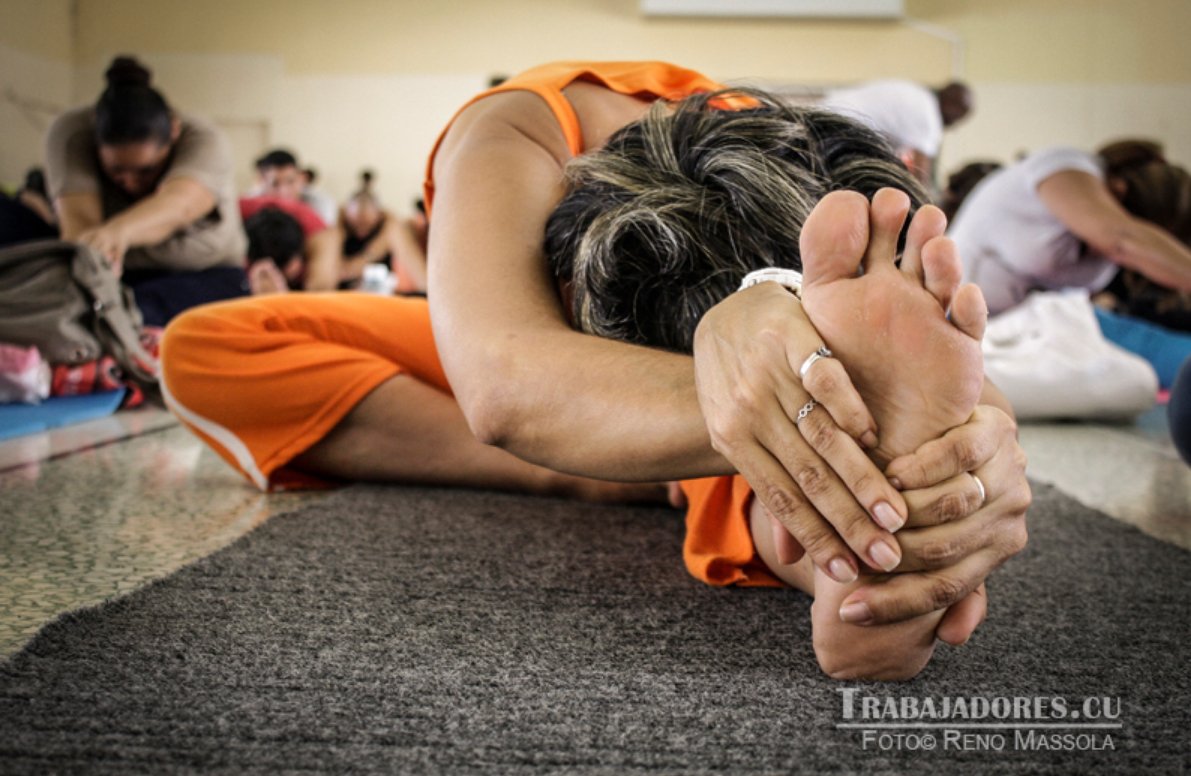
From 9.00 am to 5.00 pm massive sessions were held and the physiological, therapeutic and ethical aspects of Yoga, which are becoming an effective remedy against everyday stress, were discussed.
Organized in coordination with the Cuban Yoga Association, which is celebrating its 25th anniversary this year, International Yoga Day was also celebrated in 7 provinces of the country where the Association has its headquarters.
Never again!

Never again! The students’ cry against guns in the United States!
Parkland students’ pressure even reached the White House, where President Donald Trump met with several of them and their parents on Wednesday.
————————————————————————————————————————————
Author: Sergio Alejandro Gómez | internet@granma.cu
22 February 2018 20:02:57
A CubaNews translation.
Edited by Walter Lippmann.
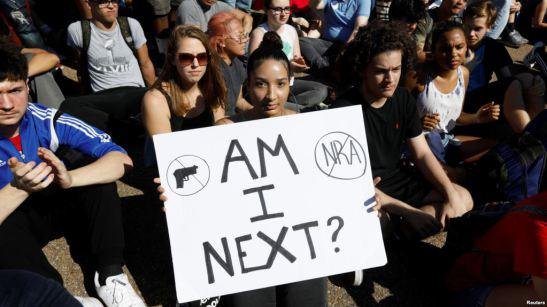
“Am I next? “, reads on this poster of one of the students’ protests against the carrying of arms and the National Rifle Association. Photo: Los Angeles Times
Hundreds of young people, with tears in their eyes for the friends they lost and, also, although it may seem contradictory, for the good fortune of having survived; human chains guarded by the police evacuating the danger zone and Valentine’s Day balloons and teddy bears lying on the ground. Those were the images that toured the world after the massive shooting at a school in Florida that left 17 dead and about 20 injured on February 14.
Those same faces today throughout the United States are demanding “Never Again” about tragedies like the Stoneman Douglas School in Parkland and for the enforcement of stricter gun control laws.
“No matter how many people die. Legislators in power don’t take action,” Ryan Deitsch, one of the surviving students who met with legislators, told reporters.
Now is the time to get on the right side of this, because it’s not something we’re going to sweep under the carpet,” Emma Gonzalez told NBC News Meet the Press.
But what were isolated appearances in the media and spontaneous displays of pain, has become a whole movement that is already known by the label #NeverAgain.
The young people touched a sensitive fiber of public opinion and began to mobilize in city councils demanding a change in gun control laws.
They soon won tens of thousands of fans on social networks and made frequent appearances on national television. They also received millions of donations from celebrities like George Clooney, Oprah Winfrey, and Steven Spielberg to fund future demonstrations.
A march is being called in Washington for March 24, which they hope will have a national repercussion.
Its impact is greater than previous initiatives, since the voice of young people comes in the midst of a politicized scenario in which the issue of arms is diluted in political conflicts and economic interests that go beyond the traditional parties.
The legitimacy of the lawsuits, which in many cases come from the families of victims or survivors of the massacre, are putting politicians like Florida Senator Marco Rubio, who has received more than $3.3 million from the National Rifle Association (NRA) to buy his votes on the weapons issue, on the ropes.
During a public assembly in Sunrise, Florida, the father of one of Parkland’s victims challenged Rubio to tell the truth and acknowledge that “guns were a factor in his son’s death.” Rubio tried to sneak away and responded that if he believed that a ban on assault weapons “would have prevented this from happening, he would have supported it.> His response was booed by the audience.
Then, student Cameron Kasky told the senator, “It’s hard to look at you and not see the barrel of an AR-15 and not see Nikolas Cruz,” referring to the assault weapon used in the shooting and the 19-year-old perpetrator, who acquired the rifle legally despite a history of violence. “Can you tell me right now that you won’t accept a single donation from the National Rifle Association?”, she added.
Parkland student pressure even reached the White House, where President Donald Trump met with several of them and their parents on Wednesday.
The president was pressured to declare that he will seek “solutions” to the problem.
But so far, some of his ideas are on the way to authorizing teachers to carry weapons in schools and be more severe with the background check of prospective buyers.
That is precisely the vision that the NRA supports to divert attention from the main problem that American students now denounce:”guns are not only a variable of the situation, but they are the key to the problem.”
Opening for marijuana addicts in the US Army
RAZONES DE CUBA [clearH=10]
Opening for marijuana addicts in the US Army

“Did you smoke marijuana and want to go to war? The Army allows it .“ That is the call or promotional announcement that the Latino press recently began to reproduce in the US, as part of a broader recruitment effort for the military.
This was the title of a recent report by the Miami newspaper El Nuevo Herald, where it is announced that, given the order to increase the number of US military personnel. and the increase in the number of North American states that have legalized or decriminalized the use of the herb, the Army will grant exemptions to those who have consumed that substance and want to enlist in military adventures of the superpower.
According to the rep[ort, the number of exemptions granted by the army to marijuana smokers amounted to half a thousand this year compared to 191 in 2016. He adds that this type of flexibility was not granted for three years and it’s justified by the need to fulfill the order to increase the forces that the White House has given. The army added that almost 69 thousand recruits this year, some 6,000 more than in 2016.
The only requirement is that addicts have to commit not to use the drug while serving in the armed forces. “As long as they understand they can not do it while doing military service, I’ll give them all the exemptions they want,” said Maj. Gen. Jeff Snow, head of the army’s recruiting command.
He added that exemption figures will increase as the states where the drug is allowed increases. Currently, in eight, the possession of marijuana is legalized and in 13 other states, it has been decriminalized, which means that the possession of a small amount is the equivalent of a traffic infraction or another minor crime that is not punishable by jail. Another 29 together with the national capital and the territories of Puerto Rico and Guam allow consumption for therapeutic purposes.
According to the report, recently Congress and other areas have expressed concern about the drop in the quality of new recruits. Army data reveal that more than 8,000 recruits received exemptions in 2017, compared to 6700 last year, mostly for reasons of physical or mental health.
In this sense, it stands out that the exemptions for marijuana use represent 25% of the total of those granted for misconduct in the fiscal year that ended on September 30. They also represent 50% of the general increase in exemptions granted to those who needed it for some type of misconduct.
In addition to the poor quality of recruitment, it is suspicious that armed forces that have been accused in the past of having a “hallucinogenic arsenal” that they have used in recent wars to manipulate their own forces, the civilian population, and its adversaries, so it is betting on the massive use of addicts for future war adventures.
According to the book “Drugs in war”, by Polish author Lukasz Kamienski, the Vietnam war was “the first real pharmacological war” with consumption among US military personnel that reached levels never previously seen. The study points out that in 1973, the year of US withdrawal from the Asian country, 70% of the soldiers took some drug, be it marijuana, dexedrine, heroin, morphine, opium, sedatives or hallucinogens.
He points out that no less outlandish have been later US projects. like the one to bombard enemy forces with pheromones to sexually uncontrol the soldiers or the one to use viagra with the members of their own special forces to make them more aggressive. Pheromones are chemical substances that cause specific behaviors in other individuals.
The Polish scholar describes as hypocritical that there are “very restrictive anti-drug policies … and in other cases official policies of distribution of these substances to soldiers in war”.
The call for marijuana addicts to enter the US Army triggers alarms when military budgets increase to exorbitant levels, when Washington establishes a foreign policy of threats of extermination against its enemies, of sanctions against adversaries and superpowers, of revenge and reprisals, and the executive’s capacity for strategic leadership is questioned.
==============================
Unedited Google translation of comments:
While Cuba promotes a policy of zero tolerance for drugs at the level of the whole society, here we have a United States that so much cackles in the fight against drugs and human rights, institutionalizing drugs and addicts, nothing less than in the armed institutions, with the impact and harmful transcendence that this could have.
For a long time the US Army can only do and commit their excesses and abuses on a planetary scale, when their troops are drugged … remember South Vietnam! The demoralization and the loss of the most elemental human essences are attributes of the most corrupt and mercenary army of the planet: .Abu Garib Do you say something? And then they pretend to be the best defenders of DD.HH. Even with those who are part of their ranks, once the period is over, they are discarded as if they were garbage. Where are renowned marines of the elite troops heroes of the war of Afghanistan and Iraq, champions of freedom in any part of the world’s end ?: Without economic, psychological attention, to assume the lasyres of their consciences, disturbed, alienated, traumatized In short, very few are socially integrated. It hurts because so many young people get lost
No question, the United States is subtly introducing drugs and drug addicts as a weapon of war. Nothing strange about that country, its intelligence labs and media. For the empire to increase its power, respect for Human Rights does not matter, in fact, will there really be human rights in the United States?
There is for god, the government that most boasts in the world to fight against drug trafficking and ahota come with this … What will be the result of this new Trumpnada? more than clear: more deaths all over the world, more violation of human rights, more disasters worldwide and of course a new “feat” for the US government …
If we understand that they are addicts, how does the army of the United States expect to refrain from consumption during the time of service, or do they include psychological treatment in that period to counteract the addiction? It is clearly a blunder that is justified only by the desire for power and global domination, combined with the paranoia of seeing attacks in all parts of the world.
Something to me does not remain clear to me, if several countries have legalized the consumption of marijuana cigarettes, it will not be because it is not harmful enough like other drugs. It will not be that the marijuana will classify in the same link of other authorized drugs as the cigarette or the alcohol.
With this measure it seems to me that humanity is reviving what the worthy Romans felt about Neron’s follies, is putting people with vices that enagenan their act on weapons is the greatest responsibility of a president.
Reading about this topic, I found an article from Clarín newspaper, from the month of May of 2016, I quote some paragraphs that illustrate the negative effects of the legalization of marijuana in the State of Colorado:
“While it was expected that this activity, now legal, bring tax benefits to the state, in 2014 and the collection of the tax on marijuana fell 42%, since most are traded on the black market.
The crime in general rises month by month and especially, that of disorder in the public road, grew 45%.
Responding to Yuri’s comment:
I am not an expert in drug issues, not much less, but by common sense googlee “marijuana effects”, I invite you to do so that you understand the reactions well fucked this boil, and how the politicians and policies of some countries are well wrong, even influenced by drug cartels
Surprising the reason every time we approach that way of life and that imperial thought, that worldview capable of allowing all possible barbarities to commit their own in pursuit of achieving their hegemonic and domination objectives, at whatever cost, including psychosocial and degrading of the human race. Something is very clear in this recruitment hurdle, what matters least is the species, the same that will go to the conquest so that the loot is finally in a few that concentrate for themselves most of the riches that natural equity has ready for the humans of this planet.
what matters least is the human species
I am in agreement with what Yuri said above, that badly has the marijuana cigarette, it is not the same as the usual cigarette. There is a lot of information, scattered and confused, but who is right is good or not
Unusual can only be found in the US, there is MRS.CHAIN.! #Cuba Vs #Drogas
I must inform Yuri that a recent comparative analysis of marijuana regulation experiences in North American states and other countries, shows that as a consequence of legalization and decriminalization, the growing trend of consumption has continued, the number of adult consumers has increased, the perception of risk that triggered the diversification of supply and consumption decreased and there has been a significant increase in cases of hospital admissions related to presumed cannabis intoxications in the North American states studied.
keep going…
The increase in consumption especially affects occasional and habitual cannabis users 18 years of age and older. The evolution is especially pronounced among people older than 25 years, whose levels of consumption have increased rapidly.
Cases attended in hospital emergencies have accelerated, especially among tourists and, to a lesser extent, among the youngest (under 10 years old) and the oldest (surprised by new forms of cannabis, sometimes with very powerful doses). ).
continue
The new approaches increase the tragedy and the profits of the traffickers, they do not alleviate the evil. I reaffirm what the experts say: “marijuana is not an alternative, it is a proven evil”.
The fact that certain strategies have failed in the world fight against this drug, which is the most trafficked and consumed in the world, does not mean that to stop confronting it or legalizing it is the option. Its harmful effects for the physical and mental health of the individual, and for society are scientifically proven.
In addition, therapeutic use must invariably be governed by the intervention of specialist doctors. Improvising can be fatal.
I understand that marijuana can be harmful, but then why have so many governments decided to open doors and legalize it in their countries, what is behind it specifically. By legalizing it, they are transferring a message to the international community that it is less bad, that it is not so harmful. They are launching a message of openness and flexibility. Do you have the drug cartels to do with these government decisions?
I read the comments of Francisco and I infer that it is the author and if so, I would like to delve into what the medicinal utility of marijuana is really and in what branches of medicine it is used.
The United States government with this decision has been turning into a narco state, with a narco army
For some comments read and others that I hear on the street, including young people, I think it is still necessary to create more culture among our population on drugs, look for ways to explain and clear so many international media stereotypes that have been tried to impose in this field. Cuba, although surrounded by water, is not exempt from flagella of this type.
How harmful can it really be for a soldier, with a gun in his hand, to smoke marijuana cigarettes? Is it proven that it can make it more violent?
An army of drug addicts. What they do is legalize a problem they have always had, the high consumption of drugs in the armed forces.
Very clever the Chiefs in charge of that army, of course they have to have them set so that they do not see the savage crimes that many of them commit against their will, that is why there are so many that when they return to normal, that is to say when they comply with Their mission begins to remember the cruelty of the acts and they even have to be treated with psychiatrists or psychologists. In Cuba, of course, we are against anyone taking drugs, as this affects the normal development of social and family relationships. CubavsBlock
Yadira: I have read about it and I have interviewed experts. Currently its usefulness is being reviewed, and there are arguments both for and against its medicinal use. Among the detractors are the American Medical Association itself, the American Society of Addiction Medicine, which has presented arguments against its use for medical purposes. It is proposed that medicinal cannabis has been used to reduce the inappetence, nausea and vomiting produced by chemotherapy, as well as to treat pain and muscle spasticity in people with HIV / AIDS; its use for other medical applications has been studied, but there is still insufficient information to give conclusions about the safety and efficacy of its use.
A LOCO president, an armies of DRUGS, laws that violate all the rules … and in this way they want us to buy their model of government, state and society? Not that we were crazy
Cuba and “State Capitalism”

Those Who Look and Do Not See
Cuba and “State Capitalism”
 By Nelson P Valdés, Professor Emeritus, University of New Mexico, Albuquerque
November 20, 2016
A CubaNews translation. Edited by Walter Lippmann.
“…. At a certain time Lenin raised the idea of the construction of capitalism even under the leadership of the proletariat. For your peace of mind, of course, I tell you that we have no such thing in mind, and it is not because we disagree with Lenin, but because the circumstances are different, since our process, which could count on the assistance of the Socialist camp and the USSR, has made great progress, has very solid forces and does not have to raise the issue in those terms. “Fidel Castro, August 6, 1995.
“I remember reading how at one point Lenin conceived the construction of capitalism under the leadership of the workers, of a workers’ government. He said: ‘We must build capitalism, we must develop our productive forces’. But such was the harassment, the aggression, the isolation and the critical situation that he had no choice but to accept that challenge; Marx would have put his hands on his head, really.” Fidel Castro, August 24, 1998.
“Revolution is a sense of the historical moment; It means to change everything that must be changed …” Fidel Castro, May 1, 2000.
Those who are supposed to study Cuba do not pay sufficient attention to the institutions and practices that exist in the country.
Most scholars and reporters from the outside discuss, write and prescribe an imaginary or imagined Cuba. They write about the future and very little about the real present or the one that was. In other words, they do not ask the question –for example: Why are there CUPET and ORO NEGRO gas stations? Why are there two instead of one single company selling gasoline? They do not wonder why there are so many different types of taxis: HavanaTaxi, PanaTaxi, etc. Everything is seen as ONE State controlling them all… and everything else… because this is not analyzed. Actually, it is not even perceived.
It is obvious that in Cuba there is an almost completely monopolistic state capitalism that faces many difficulties imposed from abroad –particularly by the US government. This description is not meant to be pejorative, it is only descriptive. This state capitalism, however, focuses on the distribution of what it produces or generates from products and income. These aspects differentiate it from the typical state capitalism that distributes profits only among private investors.
With state capitalism, there are corporations which are independent of one another and can respond to different sectors within the state itself. For example, MINFAR [Ministry of the Armed Forces] has companies (including the Banco Financiero Internacional -International Financial Bank –which is different from Banco Popular de Ahorro – (National Savings Bank, which it does not control). Also, MINFAR also has a line of hotels (Gaviota) and its own farms. These farms show us that there is “vertical integration” in different productive chains on the island. And these state entities and chains –autonomous from one[] another –COMPETE with other state entities.
Are there possible contradictions –in Marxist terms– between Gaviota and Cubanacan, for example? And, since when have these institutions existed? They began in 1985. And who has studied the economic and political process of Cuba on the basis of these conditions? What exactly is a “business group” (e.g., AZCUBA [Cuban sugar company)?
Those who call for the introduction of capitalist measures on the island and dream of the market are out of tune and clueless. Some elements already exist, but that is not the whole reality. Everything is more complex and complicated.
Journalists and many academics from abroad confuse this with the capitalism of private corporations. They do not understand that the practice of capitalism by semi-state-owned or fully state-owned corporations is something totally different. One big difference, of course, is who appropriates the profits and how they do it. The profits in private capitalism go –eventually– to private hands. State capitalism usually appropriates profits and distributes some of those profits among the administrators and –individually or socially– among those working in or out of the company. Both types pay taxes.
Note: In Cuba, there were precedents of this situation – and they were established by the United States government. For example, the Nicaro Nickel Company was a US state corporation. Nicaro was an administrative subsidiary of the Freeport Sulphur Company which in turn “acted” on behalf of the Defense Plant Corporation and Metals Reserve Company owned by the United States.
NOTE: The use of the term “state capitalism” has no pejorative intent.
URL of the article: http://www.cubadebate.cu/opinion/2016/11/20/los-que-miran-y-no-ven-cuba-y-el-capitalismo-de-estado/
Cubadebate, Contra el Terrorismo Mediático http://www.cubadebate.cu
- English
- Español
The United Vote is a Way to Defend the Revolution
By Marlene Moya
Translated and edited by Walter Lippmann for CubaNews.
Santiago de Cuba, Feb. 21 (ACN) The united vote in the March 11 elections means giving the Yes for Cuba, for social justice and the conquests of the Revolution, said Elvira Orozco, delegate of the Popular Power of the 76th constituency, in this city.
If we read the biographies of the candidates for the Provincial Assembly of People’s Power and the Cuban Parliament, we see that they are compañeras and compañeros with plenty of merit and genuine representatives from all sectors,” this professional radio journalist in Santiago de Cuba pointed out.
She commented that, a few days ago, she saw in the National Television Newsletter a material about Commander in Chief Fidel Castro’s visit to the José Martí Urban Center, in one of the previous trips to a similar process, in an area where the leader of the Revolution was a candidate for the National Assembly.
I had the privilege of doing that coverage and I remember his dialogue with the people gathered there spontaneously, knowing of his presence, about who were the proposed [candidates], people of the people, not millionaires as happens in other countries, and the most recent example is the current president of the United States, she said.
Donald Trump, she said, ranks in that category and does not care about any program that benefits the most vulnerable.
He said that the conquests of today, for which so many Cubans fought, for centuries, must be defended and the united vote is a way to do it.
We are not going to vote for someone who will benefit us personally or [because] we like them, we will vote for dignified men and women with a rich and revolutionary career, said Elvira.
This professional with the pen has more than a thousand voters in her constituency and this is her second term.
It has in its area, the Historic Center, three blocks from the Corredor Patrimonial Las Enramadas and several units of services, among those of commerce and gastronomy, pharmacy, two bakeries, the central post office, gymnasium and self-employed workers, especially food processing.
mmm/cmb 18 16:16
El voto unido es una manera de defender la Revolución
Cuba-elecciones
El voto unido es una manera de defender la Revolución
Marlene Montoya
Santiago de Cuba, 21 feb (ACN) El voto unido en los comicios del 11 de marzo significa dar el Sí por Cuba, por la justicia social y las conquistas de la Revolución, destacó Elvira Orozco, delegada del Poder Popular de la circunscripción 76, en esta ciudad.
Si leemos las biografías de los candidatos a la Asamblea Provincial del Poder Popular y al Parlamento Cubano, vemos que son compañeras y compañeros con sobrados méritos y genuinos representantes de todos los sectores, puntualizó a la ACN esa profesional del periodismo radial en Santiago de Cuba.
Comentó que hace pocos días vio en el Noticiero Nacional de Televisión un material sobre la visita del Comandante en Jefe Fidel Castro al Centro Urbano José Martí, en uno de los recorridos previos a similar proceso, en un área por donde el líder de la Revolución fue candidato a la Asamblea Nacional.
Tuve el privilegio de hacer esa cobertura y recuerdo su diálogo con personas congregadas allí de forma espontánea, al saber de su presencia, sobre quiénes eran los propuestos, gente del pueblo, no millonarios como ocurre en otros países, y el ejemplo más reciente es el actual mandatario de los EE.UU, acotó.
Donald Trump, señaló, clasifica en esa categoría y no se preocupa por ningún programa que beneficie a los más desprotegidos.
Manifestó que las conquistas de hoy por las cuales lucharon tantos cubanos durante siglos hay que defenderlas y el voto unido es una manera de hacerlo.
No vamos a votar por alguien que nos beneficiará en lo personal o nos cae bien, lo haremos por hombres y mujeres dignos y con una rica trayectoria laboral y revolucionaria, apuntó Elvira.
Esa profesional de la pluma cuenta en su circunscripción con más de mil electores y este es su segundo mandato.
Tiene en su área, del Centro Histórico, tres cuadras del Corredor Patrimonial Las Enramadas y varias unidades de servicios, entre esas de comercio y gastronomía, farmacia, dos panaderías, el correo central, gimnasio y trabajadores por cuenta propia, sobre todo de elaboración de alimentos.
mmm/cmb 18 16:16
The United States wants its drugged soldiers, alienated so that they increase the atrocious crimes, the genocide, the cruel wars against any country in the world. It is a malevolent, dehumanized strategy.