University: Male Faces Accepted

[ clear h=10]
University: male faces accepted
By Yudith Madrazo Sosa
March 27, 2018
Translated and edited by Walter Lippmann for CubaNews
Women are opening up more and more spaces in the professional world.
When Juan Julio, after finishing high school, expressed his willingness not to take the Higher Education entrance exams, but to start working immediately on an uncle’s “palate”, his parents believed that the world was coming down on them. Accustomed to the above-average school performance from the young man, they always imagined him in a university classroom, where he would be trained as an engineer or professional in any other discipline.
However, the boy chose a different path, a shorter one that would lead him to “earn money quickly, without the need to be more tormented by his studies”. He wasn’t the only one in his group to make the decision. Before and after him, others decided the same thing. Such an attitude is part of a global trend: fewer and fewer male faces are being counted in universities.
According to data from the National Office of Statistics and Information (Onei), in Cienfuegos at the beginning of the 2016-2017 academic year, 5,212 students enrolled in Higher Education, of whom only 1,955 (37.5 percent) were men. Similar behavior had been recorded in previous periods.
If we look only at the numbers, the majority of girls in higher education would make us overflow with satisfaction, as we see how they are opening up more and more spaces in the professional world. But the fact, while reflecting the advancement of girls and young women, reveals the declining enrolment of boys at this level, a reality with different causes and whose analysis occupies many social researchers.
Some academics in the United Kingdom point out that the problem has its origins in primary education, although it is nourished by the economic reasons that discourage boys and lead them to think that a simple university degree is not worth the effort, time or financial resources necessary to obtain it. In the case of Cuba, although education is free, there are collateral costs during this time that not all families can afford. That is why some youngsters prefer to take the shortcuts that quickly lead to autonomy and economic solvency.
An inquiry by specialists from the Center for the Study of the Improvement of Higher Education (Cepes) of the University of Havana showed that in the 2014-2015 academic year, the preference for employment options was the main reason why high school students did not choose to move on to the next level. This interest is related to the economic reforms undertaken in the country, which open up multiple possibilities for non-state employment in areas where university degrees are not required and are better-paid than in the state sector.
But it is not always for these reasons that boys have less access to higher education institutions. Some who do have an interest fail because of insufficient school performance to meet that aspiration.
In this regard, research conducted by the University of Bristol sheds light on the fact that families tend to be more concerned about the school performance of girls than boys, with whom they are much more permissive. “Generally, parents are less concerned about their sons’ low grades than their daughters,” the inquiry says.
And it is not difficult to hear in our environment comments that support this idea. Phrases such as “if you want to leave school, you want to leave it, you want to become a mechanic like your father”; or “to be a driver, which you like, you don’t need to study so much”, are often expressed when you talk about your children’s professional future. Not so with their female peers, who almost always receive greater incentives: “study so that you can be someone in life and have your own money”, it is common to hear.
Let us add that the new forms of employment existing in the country are much more favorable for men. Although a not insignificant number of women have taken up self-employment, they are the majority of those who carry out the best-paid activities or run the juiciest businesses. These jobs undoubtedly have a powerful appeal to young people.
In the opinion of Dr. María Isabel Domínguez García, of the Centre for Psychological and Sociological Research of the Citma, “the intense feminization of Higher Education, although it is one of the great social achievements in the sense of promoting greater inclusion and equality of women, obliges us to consider policies that also stimulate the interest of young men in university education and guarantee the real possibilities of accessing and completing it successfully”.
One of these policies could be to stimulate the modality of courses by meetings, a good option for those children who need to work, as well as to make some processes more flexible in the regular daytime course, so that they can combine study with work.
Whatever the reasons why fewer men are coming to universities, it is urgent to explore mechanisms to achieve equity and create opportunities for girls and boys to live equally on campus.
When They Ask for Their Lives

When They Ask for Their Lives
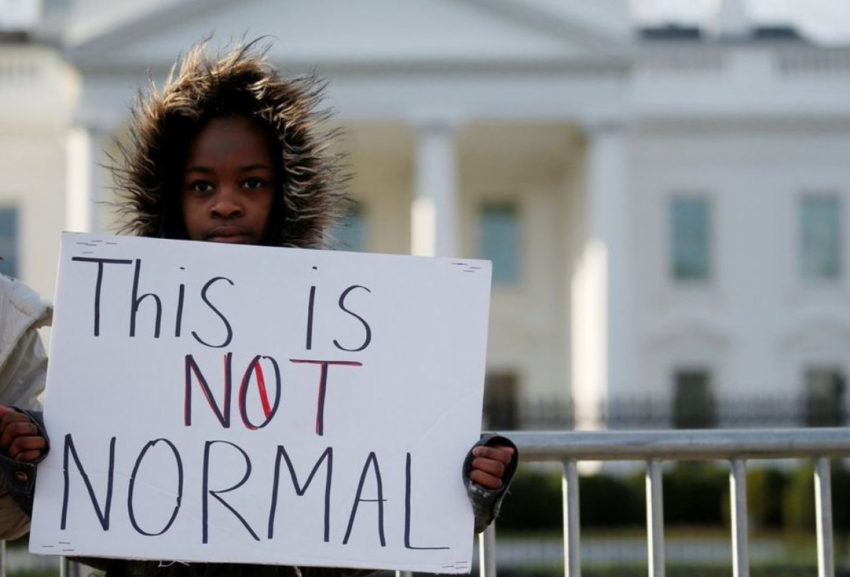
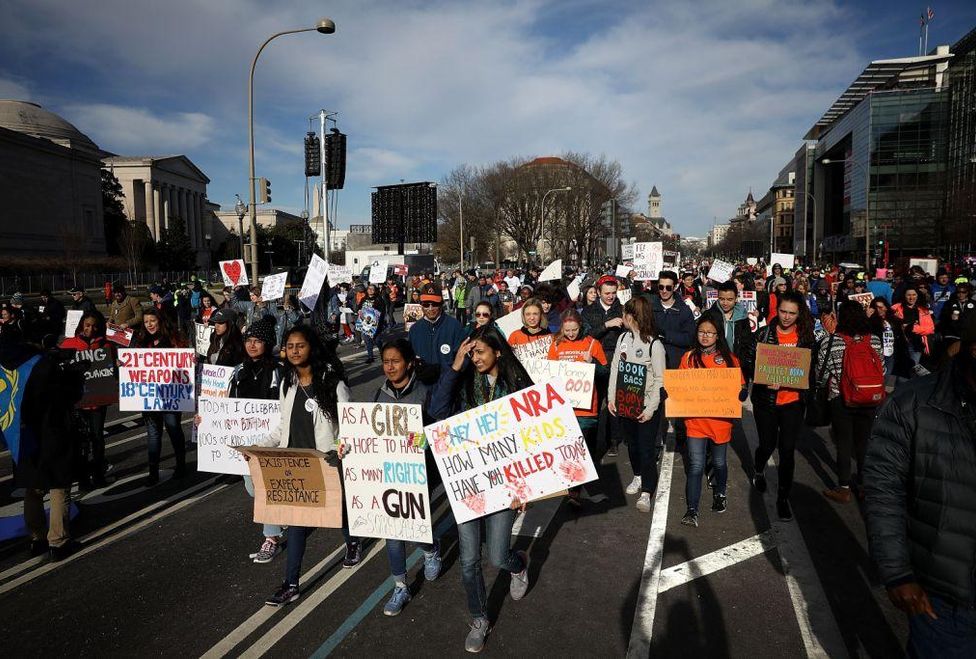
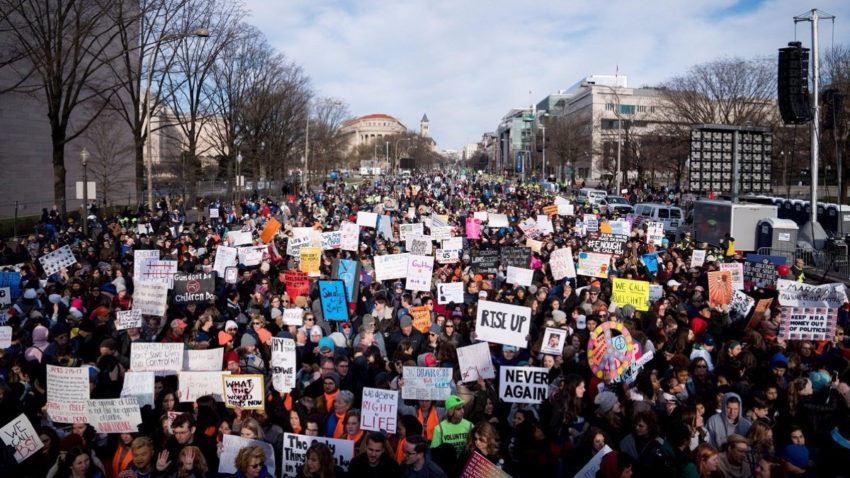
Many demonstrations have shaken the United States. More than a million people of all ages, tired of school shootings and massacres, took to the streets of Washington and other cities across the country to demand tighter controls on access to firearms.
By Juventud Rebelde digital@juventudrebelde.cu
Posted: Tuesday 27 March 2018 | 08:41:45 PM
A CubaNews translation.
Edited by Walter Lippmann.
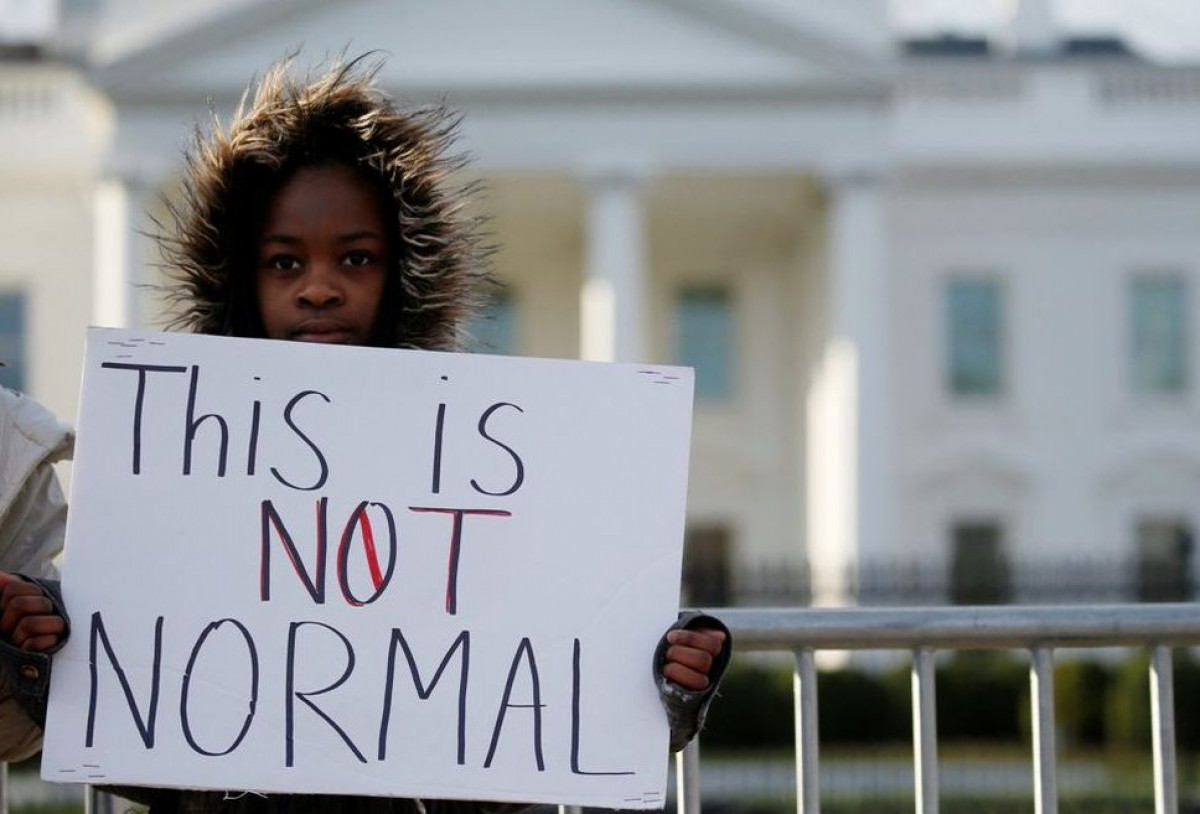
This is not normal, warns a girl in front of the White House. Author: Reuters Published: 27/03/2018 | 08:16 pm
Many see the National Rifle Association (NRA) as a major culprit. Photo: AFP
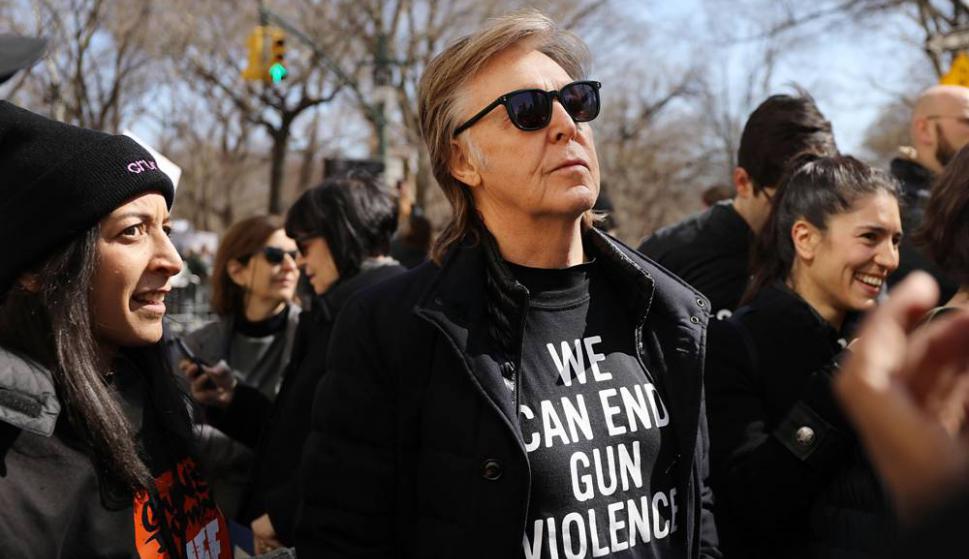
Singer Paul McCartney is confident that they can stop the violence caused by firearms. Photo: AFP
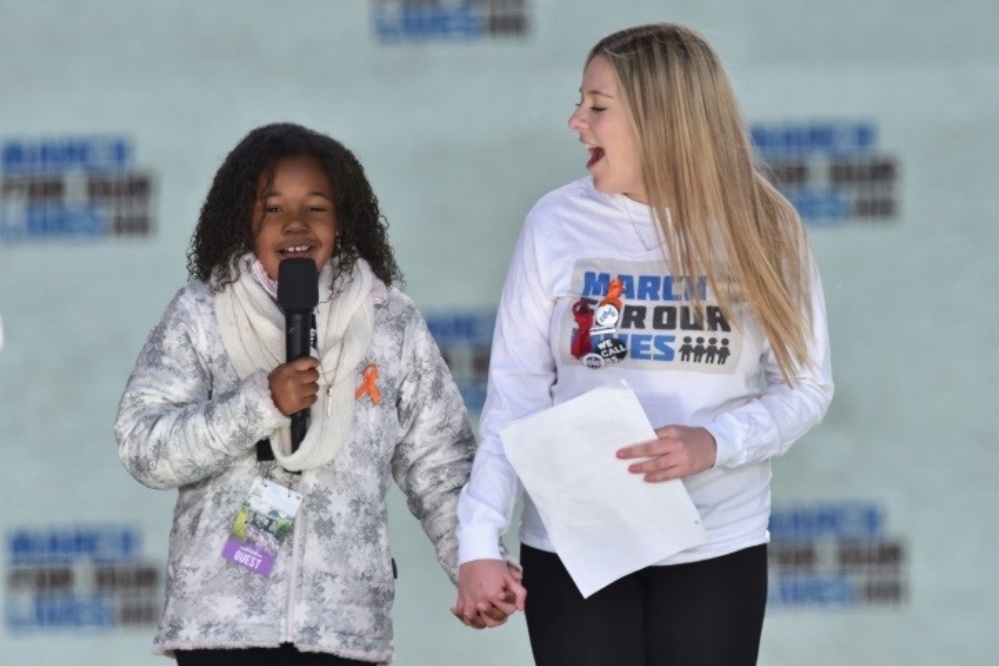
Martin Luther King’s granddaughter, Renee, also has a dream: enough is enough. Photo: Reuters
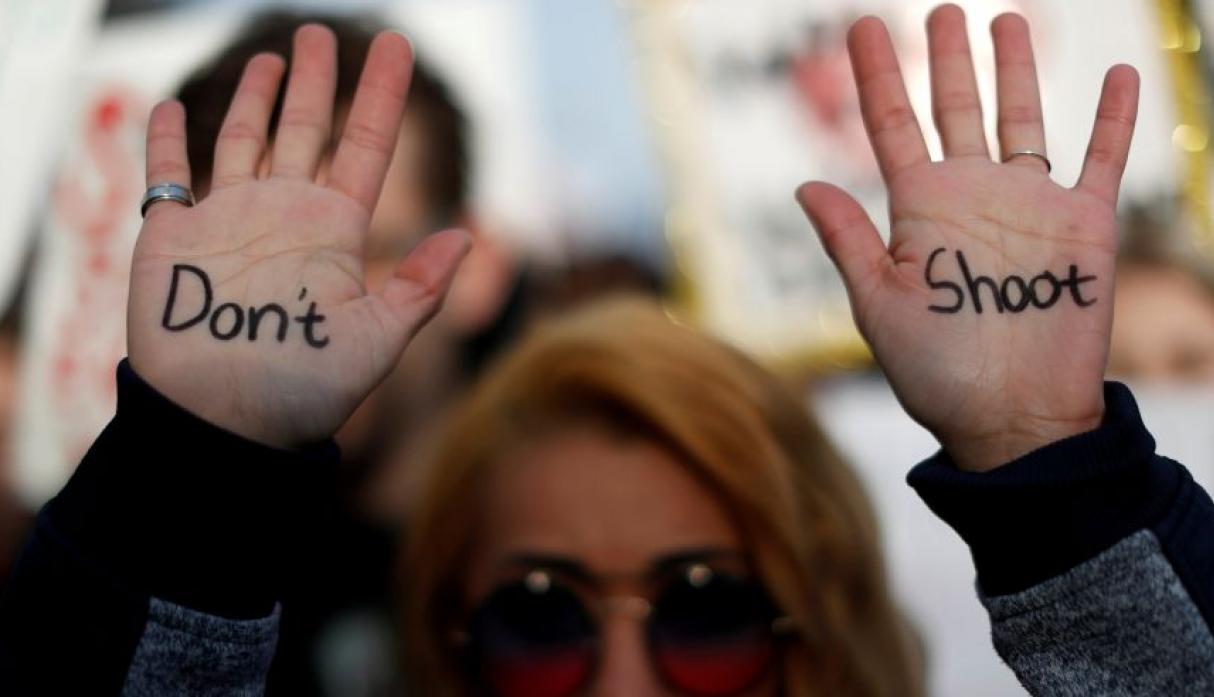
Don’t shoot, another one of the demands. Photo: Reuters
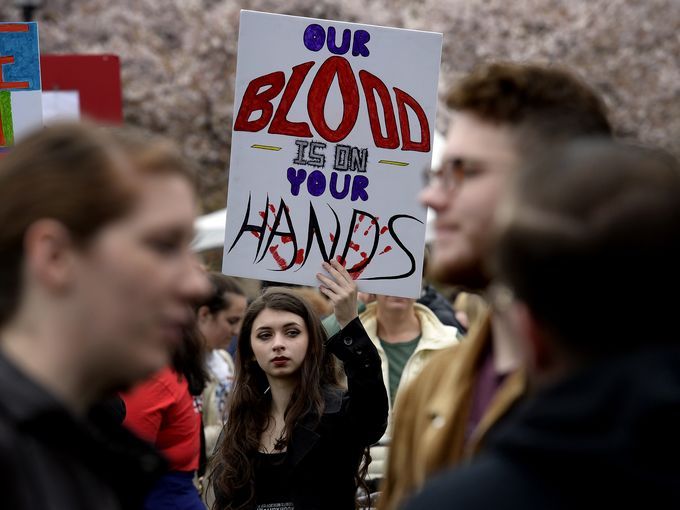
Our blood is on your hands. Photo: The Tenneseen
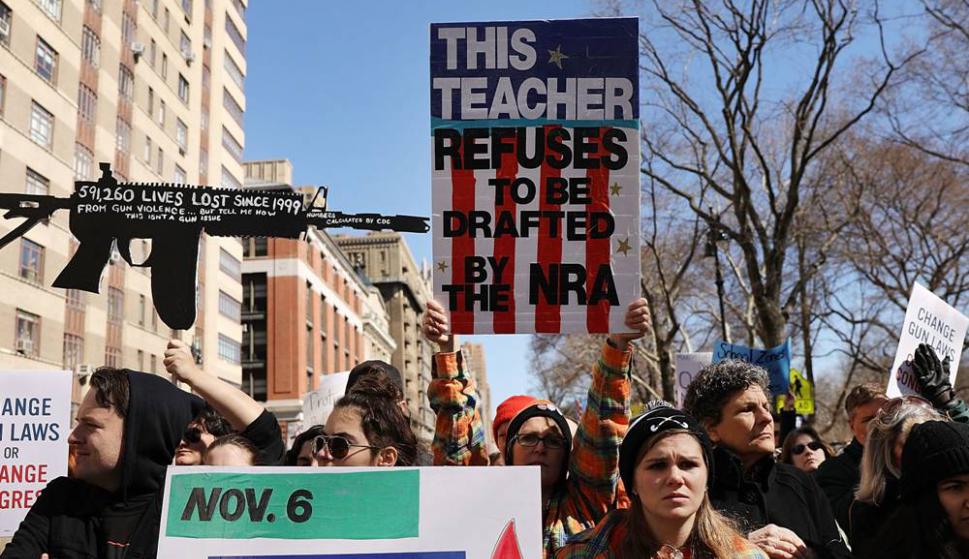
591,260 people have died from firearms in the United States since 1999. Photo: AFP
United Against State-Sponsored Weapons
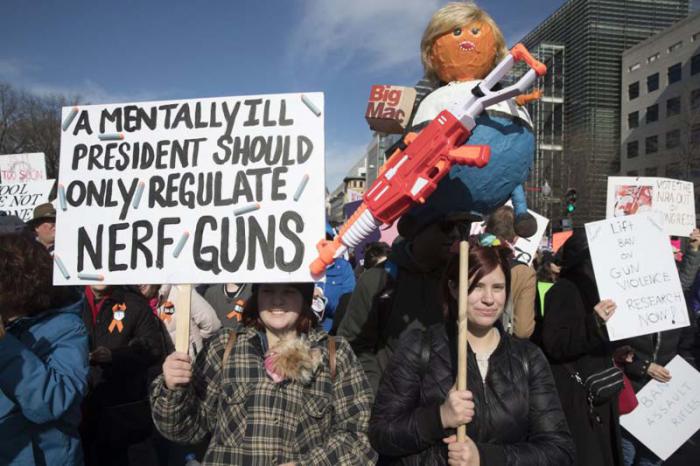

Youth United Against State-Sponsored Weapons
The great march, which is already listed as one of the most vibrant in Washington’s contemporary history, was organized in that capital city.
——————————————————————————————-
Author: Darcy Borrero Batista | darcy@granma.cu
27 March 2018 19:03:47
A CubaNews translation. Edited by Walter Lippmann.
The March for Our Lives in America brought together some 800,000 people. Photo: Cadena Ser
There is “no such thing as an American citizen’. I always remember that quote from a friend from St. Louis, Missouri, an exchange student who spent a semester at the University of Havana. He explained it through the idea that Americans are very different from each other: 50 states on a single flag of stars and stripes. The thirteen (former) British colonies that united and expanded to form a single state.
That’s one of the reasons why many are surprised to see together in one voice, in Washington alone, more than half a million northerners on the march for a cause. It happened on Saturday, March 24th. One month and ten days after Marjory Stoneman Douglas High School in Parkland, Florida, where 17 people were killed by AR-15 rifle fire.
HOW WAS THE MARCH ORGANIZED FOR OUR LIVES ORGANIZED?
The great march, already listed as one of the most vibrant in Washington’s contemporary history, was organized in that capital. The goal is clear: to denounce the armed violence that is spreading like a virus in the nation of Lincoln.
Because of its sensitive nature, it overwhelmed the city of the White House and the Capitol and reached the entire country in the form of mass demonstrations united in the cry of “enough”.
It was the young survivors of the February 14 events in Parkland who drove it forward, but around them – Emma Gonzalez, David and Lauren Hogg, Cameron Kasky, Jaclyn Corin, Alex Wind, Sarah Chadwick, Dylan Baierlein and Matt Ditch, among others – many stood for the same struggle, both physically and in social networks and other media.
Although the heart of this cry was born in Florida; in the throat of that Washington of McDonald, Coca-Cola and Starbucks locations, tens of thousands of people took to the streets to demand restrictions on access to guns in a country that sadly stands out for an arms race that finds no goal: it is the nation with the most guns and rifles per capita on the globe.
New York, the artistic capital where the Statue of Liberty stands, also exceeded expectations.
A Yahoo News text states that the March For Our Lives and its international aftershocks “sent a powerful message against the legislative deadlock that has long prevented stricter gun laws from being adopted in the United States, where mass shootings in schools and universities have become frighteningly common.
So the march served as a reminder of similar massacres, such as Columbine and Sandy Hook.
THE ALLIANCE BETWEEN ARMS AND THE ESTABLISHMENT
This type of massacre is not new at all. Part of what theorists have called the alienation of individuals in capitalist societies where the culture of shooting reigns as a reflection of excessive production and “consumption” of weapons.
Much was said when, less than a month after the Parkland victims were buried, with their bodies still warm, the National Rifle Association (NRA) was holding an arms fair in Florida.
But nothing’s going on. Shocking the U.S. government seems like a Mission Impossible type of adventure, considering that arms agencies finance presidential campaigns.
For Jesús del Toro, in Yahoo Noticias, despite the enormous social support that the movement of these young people has, “articulated for now around the slogan and label #NeverAgain, the magnitude of its objectives and its detractors requires long-lasting work that goes beyond the marches of one or several days, which are incisive and relevant but only one component of a greater activism.
IN SOCIAL NETWORKS AND OTHER LATITUDES
Alumni of the Parkland school and other allies succeeded in setting up a digital communication laboratory, designed to spread their message effectively, so that society will remember it and take it with them as a banner of peace. To achieve this goal, the teenagers took to social networks and other virtual media as a campaign scenario.
Although they did not give statements about the location of the lab, they told the press that it is especially dedicated to conceptualizing and producing content to drive #NeverAgain’s ideas and proposals for change.
With the symbology of the meme and also with YouTube videos and content for various platforms such as Snapchat, Instagram or Twitter, the #NeverAgain movement and its communications lab reflect a very unique “theatre of operations”, which Columbine did not have in 1999, for example, and prevented a horizontal form of communication, “you to you”, from reaching people better.
This showed the great national support of young people from all over the country and figures from the world of politics and entertainment. Among them, Democratic lawmakers, such as Senate Minority Leader Charles Schumer and Reps. Gwen Moore, Eric Swalwell, Paul Tonko and Sheila Jackson Lee, changed out their Twitter picture for one labeled #Neveragain.
For these, hand in hand with the youth, it’s now time to update the Second Amendment, that constitutional amendment that protects the right to bear arms.
From other geographical spaces, cut off by the proximity of digital devices, expressions of support were also made. as one Twitter user wrote: “Good luck from Scotland to all those who will be protesting in America, stay proud and speak up.
Perhaps the most encouraging thing in the midst of these actions is that, in the same country where many vote for misogyny, white supremacy, among other forms of intolerance, the same thing breaks the inertia to make change possible, precisely because of the potential victims themselves.
The result is that today it can be read on many platforms that the teenagers who survived the AR-15 attack in Parkland became gun control advocates and have not only counterpointed social networking with gun rights activists. Despite them, these students demand laws that promote safety and the right to life.
Life, arms and votes in America.
Life, arms and votes in America.
Some one million people, mostly students, took to the streets of 800 U.S. locations last Saturday to demand greater control over access to weapons.
Author: International Editor | internacionales@granma.cu
27 March 2018 22:03:04
A CubaNews translation.
Edited by Walter Lippmann.
Young people in the United States raised their voices this weekend against violence, under the theme March for Our Lives. Some one million people, mostly students, took to the streets of 800 towns across the country last Saturday to demand greater control over access to guns.
The mobilization follows one of the most recent school shootings, in Parkland, Florida, when in the midst of the Valentine’s Day celebrations, a 19-year-old boy killed 14 students and three teachers carrying a legally-acquired assault rifle.
The fact once again opened up the debate in a country where there are an estimated 200 to 300 million guns, almost one per capita, and where lobbyists such as the National Rifle Association (NRA) are lobbying hard in Washington to avoid any legislation that would diminish the profits from their lucrative business.
NO TO GUNS
Such was the scope of the demonstrations, that some of the older attendees remembered those of the young people decades before against the intervention of the United States in the Vietnam War.
Mary Riley, a 50-year-old filmmaker who traveled from San Francisco to Washington to support young people, said, “What made a difference in Vietnam was when the students went out on the street and now the students are the ones who were shot and they are also future voters.
In that sense, one of the survivors of the February shooting told the crowd: “We can and will change this world!».
Tired of the killings and school insecurity, young people are asking politicians for more action, not so much their “prayers and thoughts”.
Marielle Franco, A Victim who died twice
Marielle Franco, A Victim who died twice
The mourning after the murder of the Brazilian councilor is followed by the spread of fake news on social networks
By Caroline Amaral Coutinho digital@juventudrebelde.cu
Posted: Saturday 24 March 2018 | 11:09:24 PM
A CubaNews translation.
Edited by Walter Lippmann.
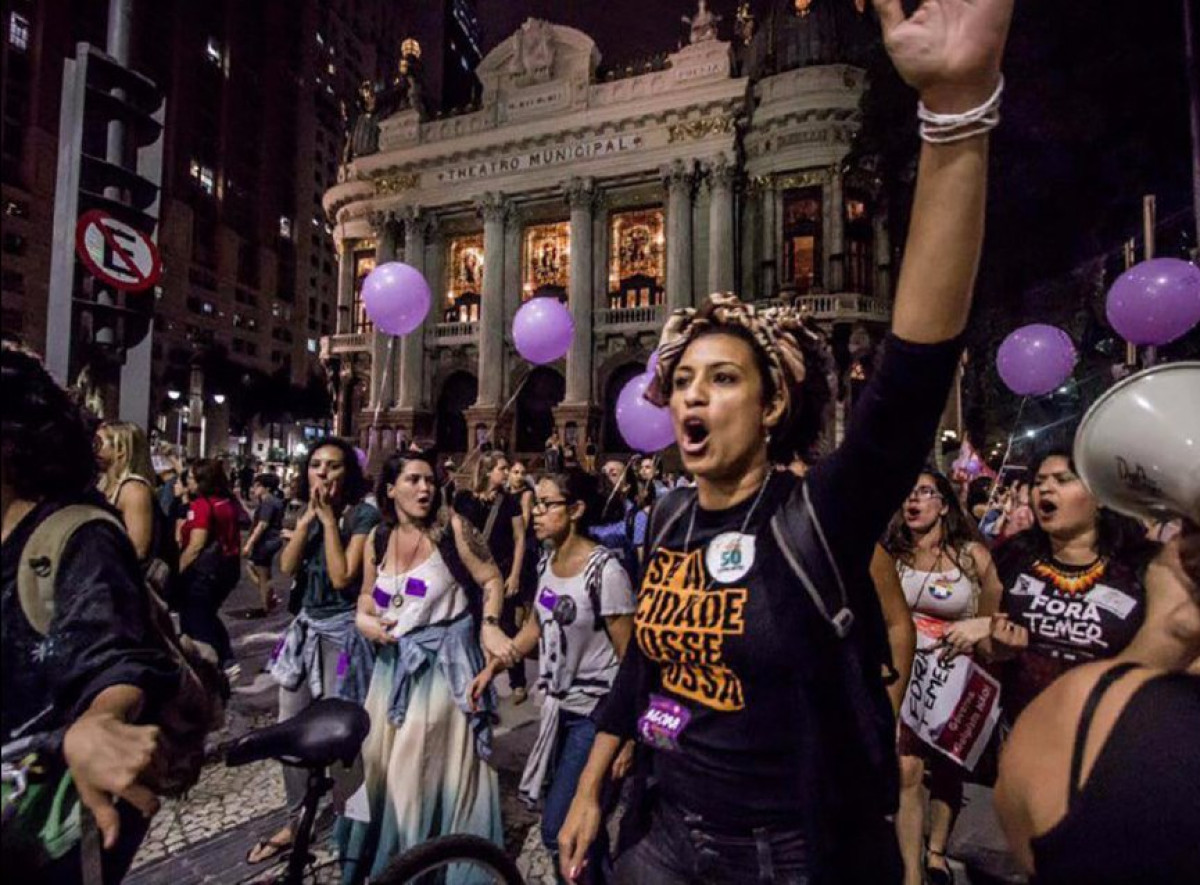
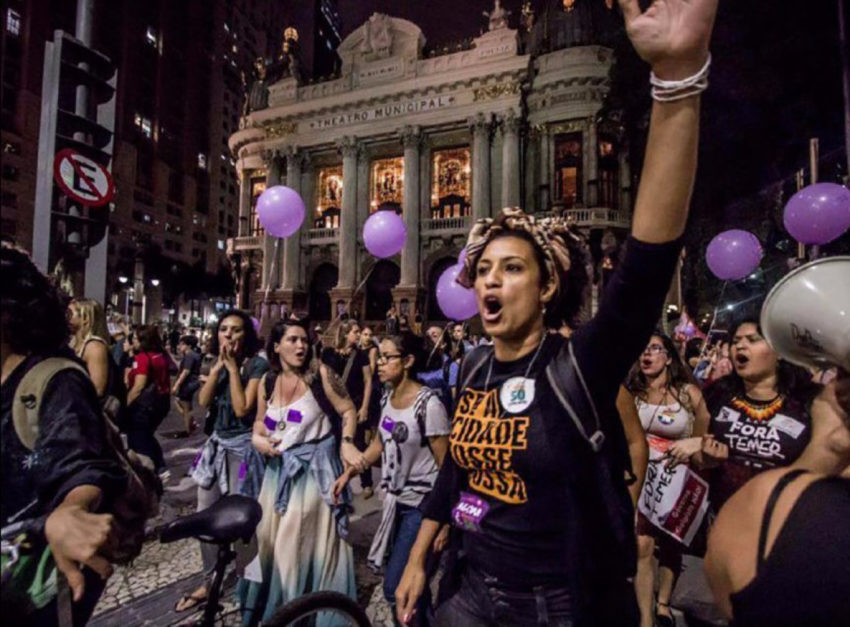
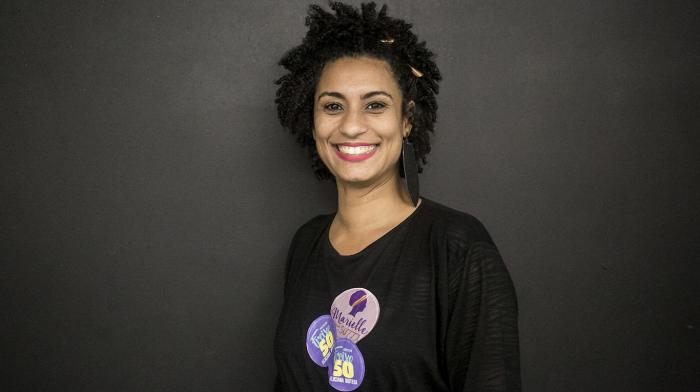
In addition to being a councilor for Rio de Janeiro, Marielle Franco was also an activist for the safety of police and residents of the Favelas. Author: Midia Ninja Published: 24/03/2018 | 10:50 pm
A black, bisexual woman, born in one of the poorest slums in Rio de Janeiro, Marielle Franco became a symbol of the social struggle in the country after her brutal and mysterious murder on March 14.
Her second death – that of her honor, her principles, and her struggles – was caused by the dissemination of news in the social media, which tries to minimize the importance of the crime against the human rights activist.
One of the so-called fake news defamation stories against Marielle alleges that she married a well-known drug trafficker in the country, Marcinho VP. Others claimed that the counselor was using drugs or that she had had her daughter when she was 16 years old – all fake, as evidenced by several Brazilian data-checking websites.
On an even more sinister occasion, a federal judge at the Rio de Janeiro Court of Justice caused controversy by criticizing Marielle based on the false news that the councilor was voted for by members of the Comando Vermelho faction. The judge said in response to a Facebook post: “The point is that Marielle was not just a fighter”; she was engaged to bandits! She was elected by the Vermelho Command and failed to meet “commitments” made to her supporters.
The Free Brazil Movement, a right-wing opposition group known for disseminating sensationalist information, used the news about the judge’s baseless accusation in a web publication entitled “Federal judge breaks with the PSOL (Marielle’s party) narrative and claims that Marielle was involved with bandits and is a “common corpse”,” with more than 40,000 “likes” before she was killed.
Other representatives of the extreme right also mobilized to spread lies about the representative of the PSOL party (Partido Socialismo y Libertad). Among them, Alberto Fraga, deputy of the “Bancada da Bala” (parliamentary front for the right of access of civilians to bear arms), published last Friday on Twitter an image of defamation with false information about Marielle’s alleged relationship with criminals to question the action of the police in crime. As a result of the criticism, the Member had to withdraw the publication.
But the online lying machine could not contain the manifestations of pain and solidarity with Marielle. The day after her murder, tens of thousands of people from different parts of Brazil, as well as from Portugal and New York, took to the streets in repudiation of what had happened, according to G1 data.
In addition, around 50 members of the European Union’s Human Rights Council requested the suspension of negotiations with the Mercosur economic bloc. and 100 UN entities denounced Brazil for violence against social activists in the country.
Marielle Franco received the fifth most votes as a candidate in the city of Rio de Janeiro from the Socialism and Freedom Party (PSOL). She was also a sociologist and political leader in the defense of human rights. The councilor was shot dead on the night of Wednesday, March 14, leaving an event on the role of black women in politics.
March for Our Lives – Los Angeles 2018
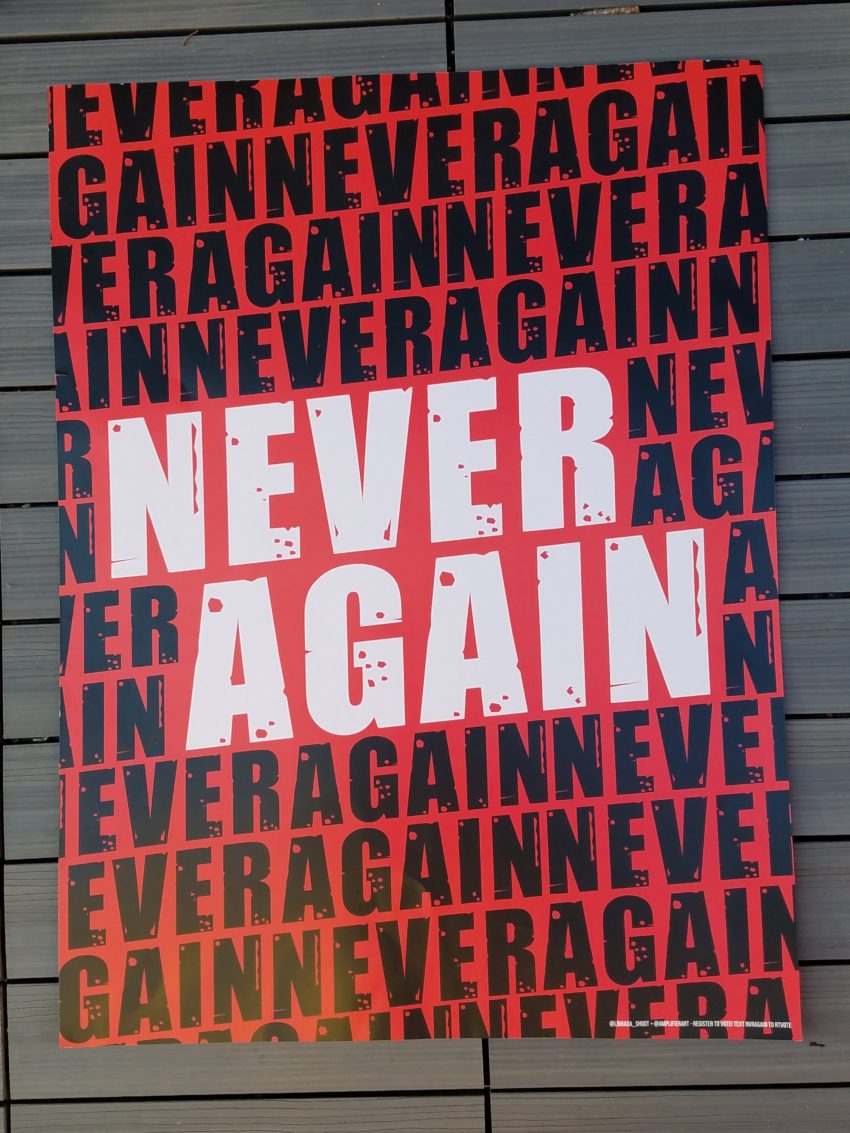
March for Our Lives – Los Angeles, March 24, 2018
A few notes and reflections
by Walter Lippmann, March 26, 2018
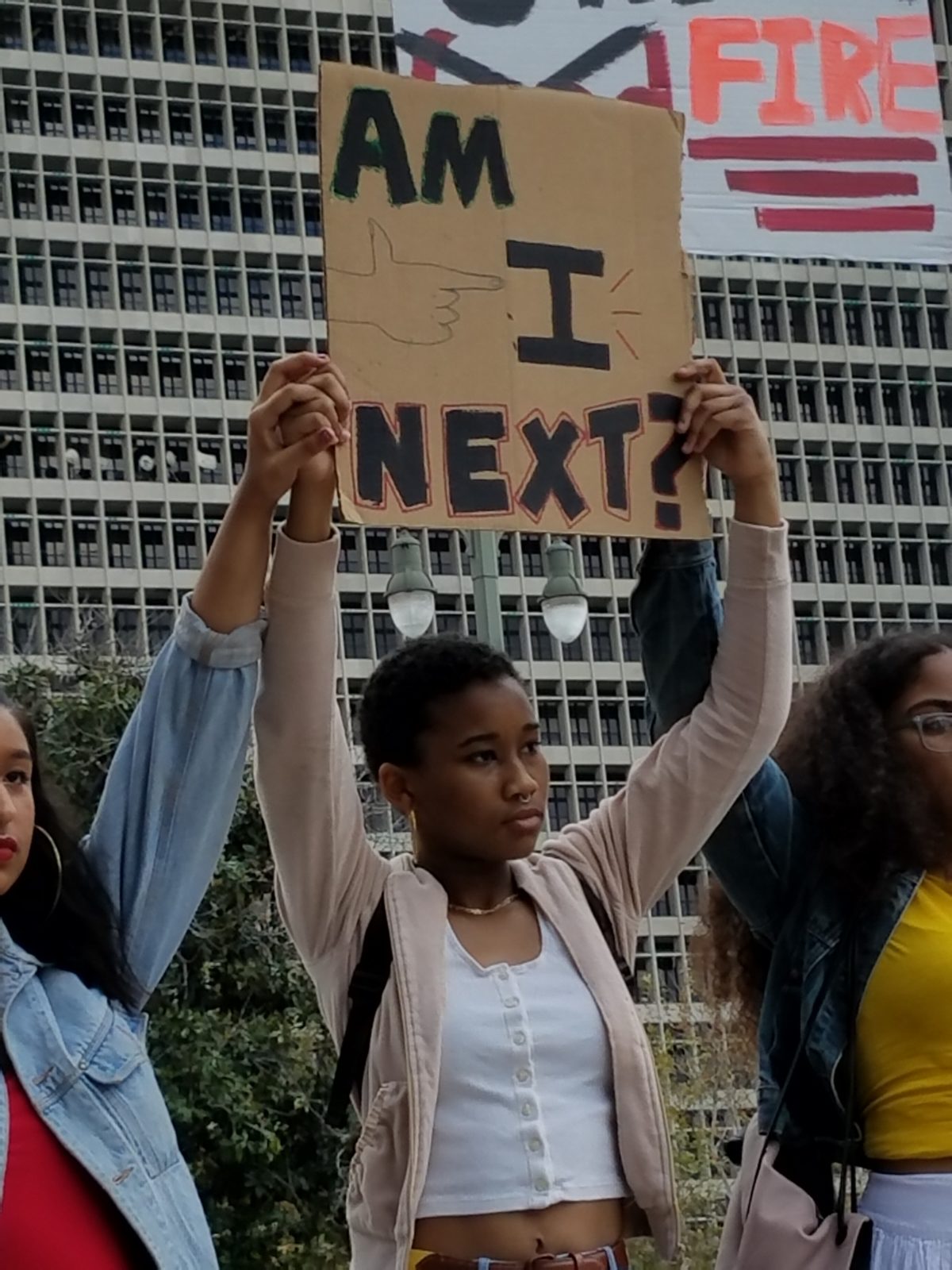
March for our Lives 2018 Los Angeles
Many more images may be viewed here:
https://walterlippmann.com/march-for-our-lives-los-angeles-photos/
The march was so big it was impossible to tell at any one point how many there were. If I’d had a helicopter, perhaps… Tens of thousands were reported. Here’s the LA TIMES report:
Tens of thousands gather in downtown Los Angeles for March for Our Lives rally
http://www.latimes.com/local/lanow/la-me-ln-los-angeles-march-20180324-story.html
Los Angeles Mayor Eric Garcetti spoke. Here’s a video of his speech:
Follow Their Lead
Young people across America are showing extraordinary leadership in the movement to end gun violence — and it was a privilege to join tens of thousands downtown on Saturday for the March for Our Lives.
We may be hearing lot of talk about the power of the Second Amendment, but our young people are showing how powerful the First Amendment makes us — because they are unstoppable when they speak up and speak out. This day will be written about in the history books, and their children will read about a generation that stood up to the gun lobby and said, ‘Enough is Enough’ and ‘Never Again.’
https://www.facebook.com/MayorOfLA/videos/10156240348049806/
We are witnessing a new layer of young people, quite massive, being drawn into activity, many for the first time in their lives. And they’re coming out for a very practical and simple reason. These mass shootings and the media’s promotion of these killings have got students afraid for their very lives, and with very good reason! So these young people are acting from the most universal material interest: the right to be alive.
DEMOCRACY NOW covered the entire march. Here’s their four-hour report:
https://www.democracynow.org/live/watch_democracy_now_march_for_our
A culture shift is opening up in the country with popular revulsion against violence taking various interesting and surprising new forms. Though posed, for now, as a response to the school massacres, it represents a broader turn against violence, it seems to me. Look at these pleasantly surprising headlines as examples of the shift:
Citigroup Sets Restrictions on Gun Sales by Business Partners
https://www.nytimes.com/2018/03/22/business/citigroup-gun-control-policy.html
YouTube to Ban Videos Promoting Gun Sales
https://www.nytimes.com/2018/03/22/business/youtube-gun-ban.html
It’s of course much easier to organize a protest when the authorities are all in favor of what you are doing, as in this case. The cops were on good behavior. I’m sure no one was arrested. A handful of right-wing Trumpsters had a counter-rally, but the protest was well-monitored by its own people. The cops were there, too, but the counter-event was small and basically uneventful. This reflects the evident split among the wealth and powerful who control the United States today.
The dominant mass media (NY Times, LA Times, NPR, etc) are all enthusiastic about these mobilizations. They hope to steer them into support for electing Democrats in the fall. Given the absence of any broad left electoral alternative to the two dominant parties, that strategy probably will prove effective, certainly in the short term.
This kind of comment by some government officials and the enthusiastic reporting we see in the dominant media means that the parameters for discussion of these issues is now broader, much broader than it’s ever been. And that follows the stream of shootings at schools in the US which seem to be on hold, for the moment.
After the ‘March for Our Lives,’ Student Activists Focus on Midterm Elections
Organizers of the movement for stricter gun laws plan to travel across the U.S. and register young voters for November elections
https://www.wsj.com/articles/after-the-march-student-activists-look-to-midterms-1522012947
It’s quite striking, to see the way the dominant media is more and more openly partisan in its support for the Democrats and in its red-baiting campaign against Vladimir Putin and Donald Trump. So who do the Trumpsters watch? I guess FOX NEWS, RUSH LIMBAUGH and the like. I rarely look at such media. But there are millions of people who do get their news through such vehicles, and, as Trump’s election demonstrated, many of them do get out and vote.
Particularly impressive was the care and consciousness with which the organizers made sure to include Black Lives Matter and other Black activists to speak prominently from the platform, in Washington, and in other cities. And they understood the importance of preventing efforts to pit Black against white in the movement against gun violence.
When asked what the biggest mistake the media had made in covering the Parkland students’ work, student leader David Hogg told Axios, “Not giving black students a voice. My school is about 25% black, but the way we’re covered doesn’t reflect that.” (According to the Broward County School District’s website, around 40% of the students who attend schools in the district are black. Individual school statistics were not available for MSD on Broward County’s website.)
There’s a long history of black teenagers fighting for gun control as part of the Black Lives Matter movement’s efforts to draw attention to police brutality. Activists like Kenidra Woods, Nza-Ari Khepra, Clifton Kinnie, and Parkland student Nick Joseph have been working on the issue in Parkland, Chicago, and Ferguson, Missouri. And they have wisdom to share from their time as activists.
https://www.teenvogue.com/story/parkland-survivor-david-hogg-media-not-giving-black-students-voice
While I didn’t see any literature from the MARCH FOR OUR LIVES in Spanish, the event was very favorably reported in LA OPINION, our local Spanish-language daily here in Los Angeles, as well as in HOY, the free paper which the LA TIMES gives out to compete with LA OPINION. Here’s an example, one of many:
THOUSANDS MARCH FOR GUN CONTROL IN CALIFORNIA
Miles de personas marchan en California a favor del control de armas
Los participantes pidieron medidas efectivas para evitar que más gente siga muriendo en tiroteos
https://laopinion.com/2018/03/24/miles-de-personas-marchan-en-california-a-favor-del-control-de-armas/
Six of the most powerful orators at the March for Our Lives
http://www.hoylosangeles.com/latimesespanol/la-es-seis-de-los-mas-poderosos-oradores-en-la-manifestacion-march-for-our-lives-20180325-story.html
Another element which hasn’t been explored much, in the English-language media, is the ethnicity of the best-known of the young student leaders, Emma González, though it is beginning to be discussed in the Spanish-language media. Some of these profiles are sympathetic, others very hostile.
Examples:
https://oncubamagazine.com/sociedad/marcha-la-vida/
https://oncubamagazine.com/noticia/marchan-ee-uu-la-vida/
As well as in the Cuban media at home on the island.
https://walterlippmann.com/us-students-strike-for-gun-control/
https://walterlippmann.com/usa-emma-short-hair-and-bare-feet/
Never again! The students’ cry against guns in the United States!
https://walterlippmann.com/never-again-the-students-cry-against-guns-in-the-united-states/
The pro-gun right-wing is starting to attack this anti-violence movement and its leadership.
Examples:
No, Emma Gonzalez Isn’t Tearing Up the Constitution in That Viral Video
https://www.glamour.com/story/emma-gonzalez-not-tearing-up-constitution-in-viral-video?
Fake photo of Parkland shooting survivor tearing up US constitution is spread online:
https://www.indy100.com/article/fake-photo-emma-gonzalez-us-constitution-parkland-shooting-survivor-activist-gun-violence-march-for-8273206
Whatever the reasons, a decline in gun culture in this country can only be a good thing for society. Some stores which have sold guns in the past are beginning to have second thoughts. Some have stopped selling guns. For them, perhaps, because changing attitudes make it bad for business. Examples:
YouTube to Ban Videos Promoting Gun Sales
Citigroup Sets Restrictions on Gun Sales by Business Partners
https://www.nytimes.com/2018/03/22/business/citigroup-gun-control-policy.html
Whatever the reasons, a decline in gun culture in this country can only be a good thing for society.
The historic gun culture (cowboys, John Wayne, etc.) of this country, whose founders and subsequent rulers have kept control through violence since the country’s foundation. It can’t be ended in a day or a week or a year. Profound social change is necessary to make that possible. But every step we can take now is a move in the right direction.
Ask yourself, does any private citizen need an AR-I5 at home? Such a device has nothing to do with self-defense. It’s ONLY purpose is to kill people.
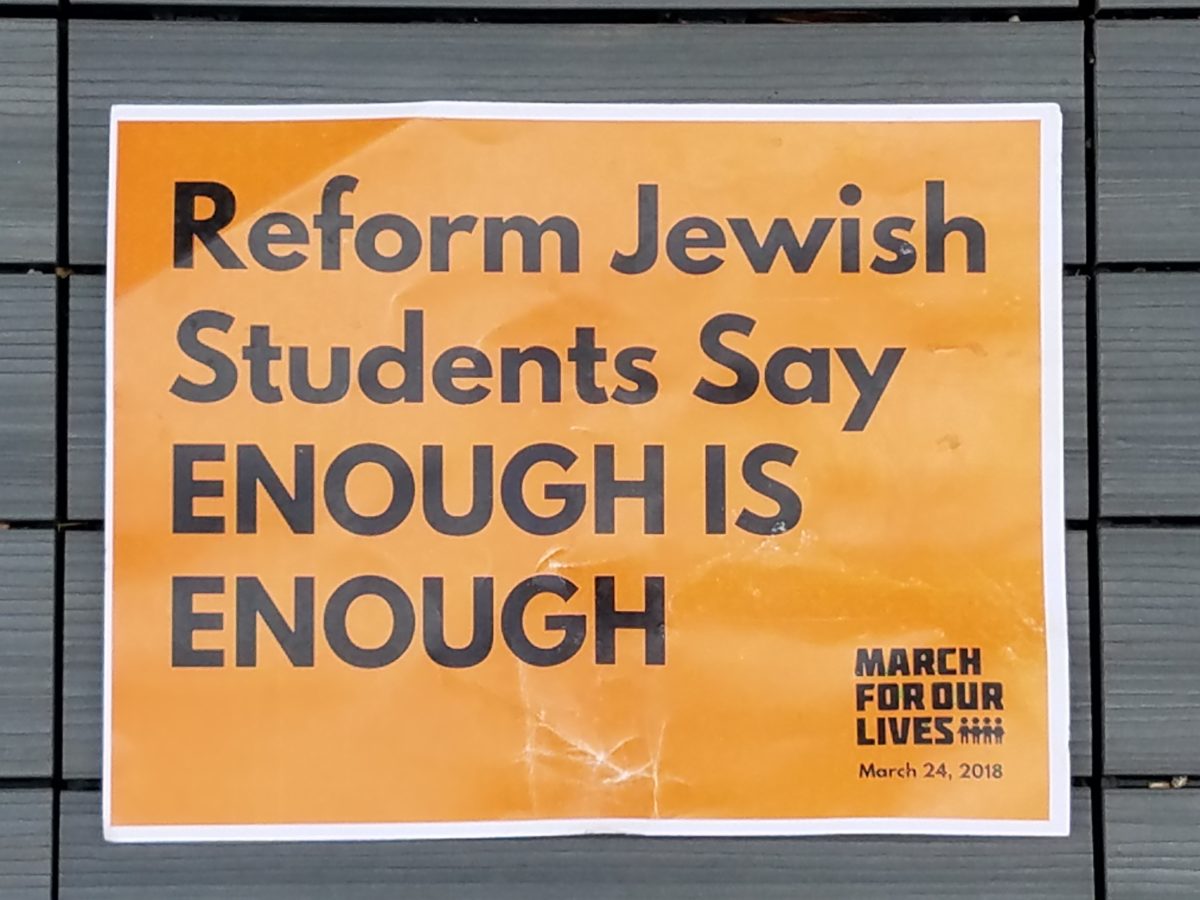
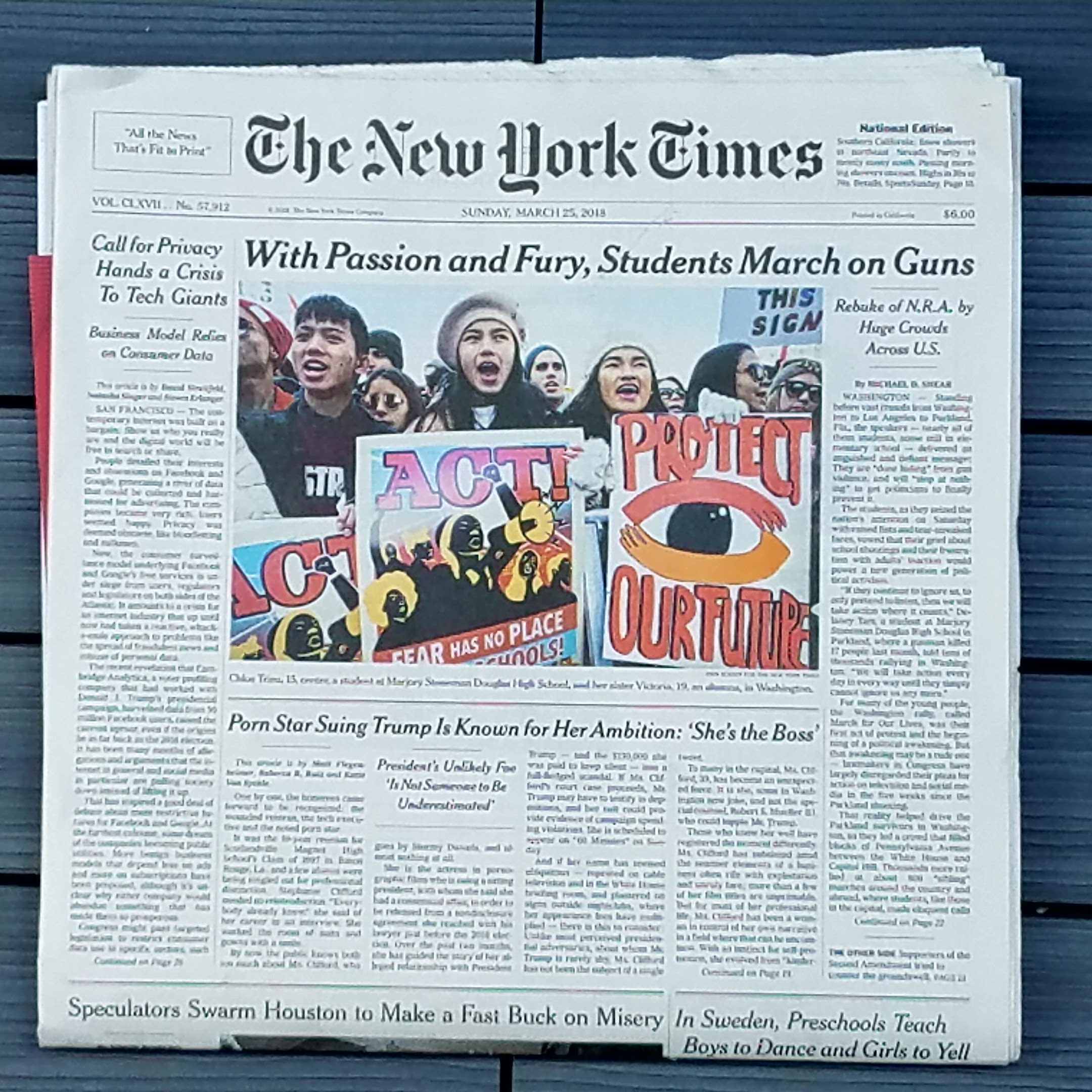
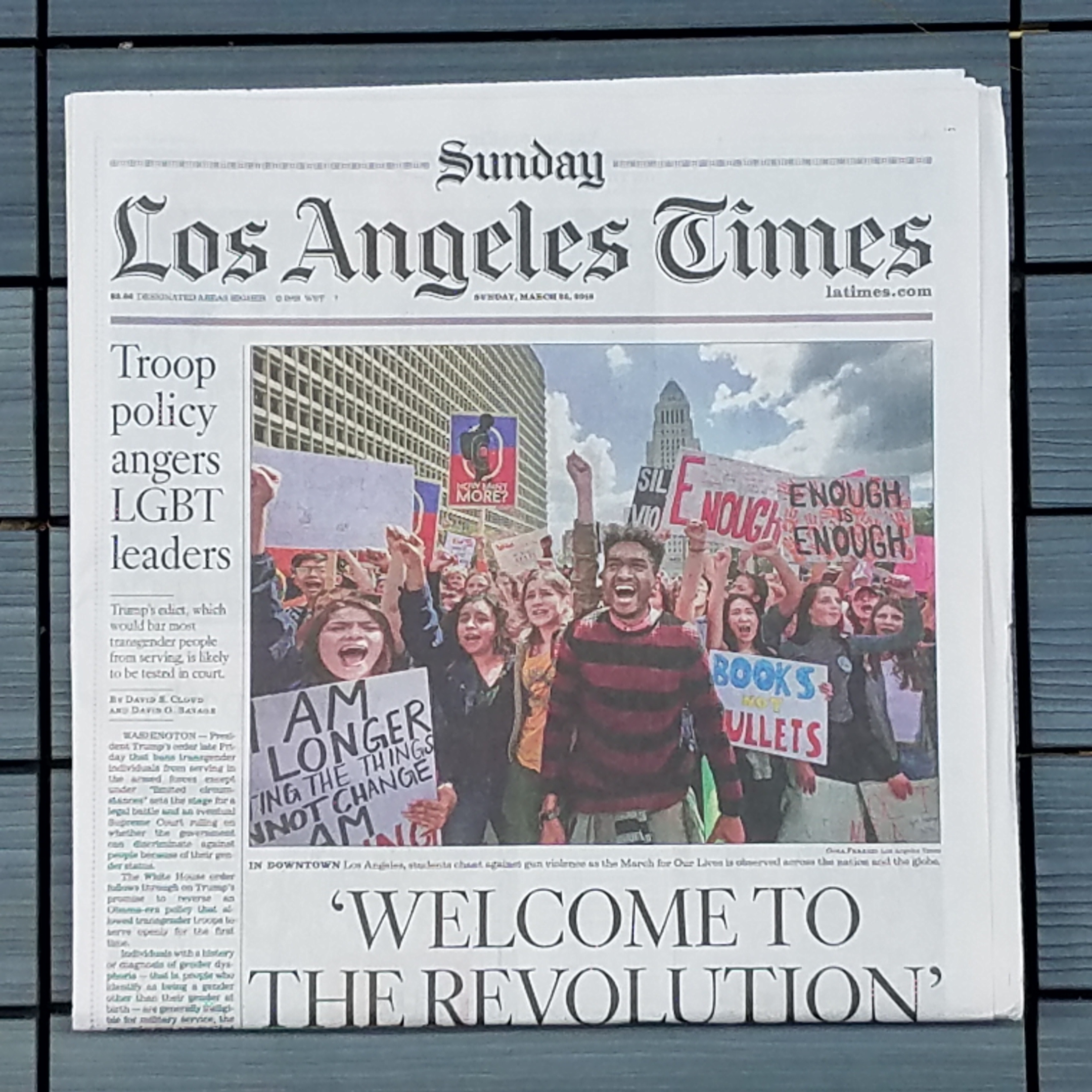
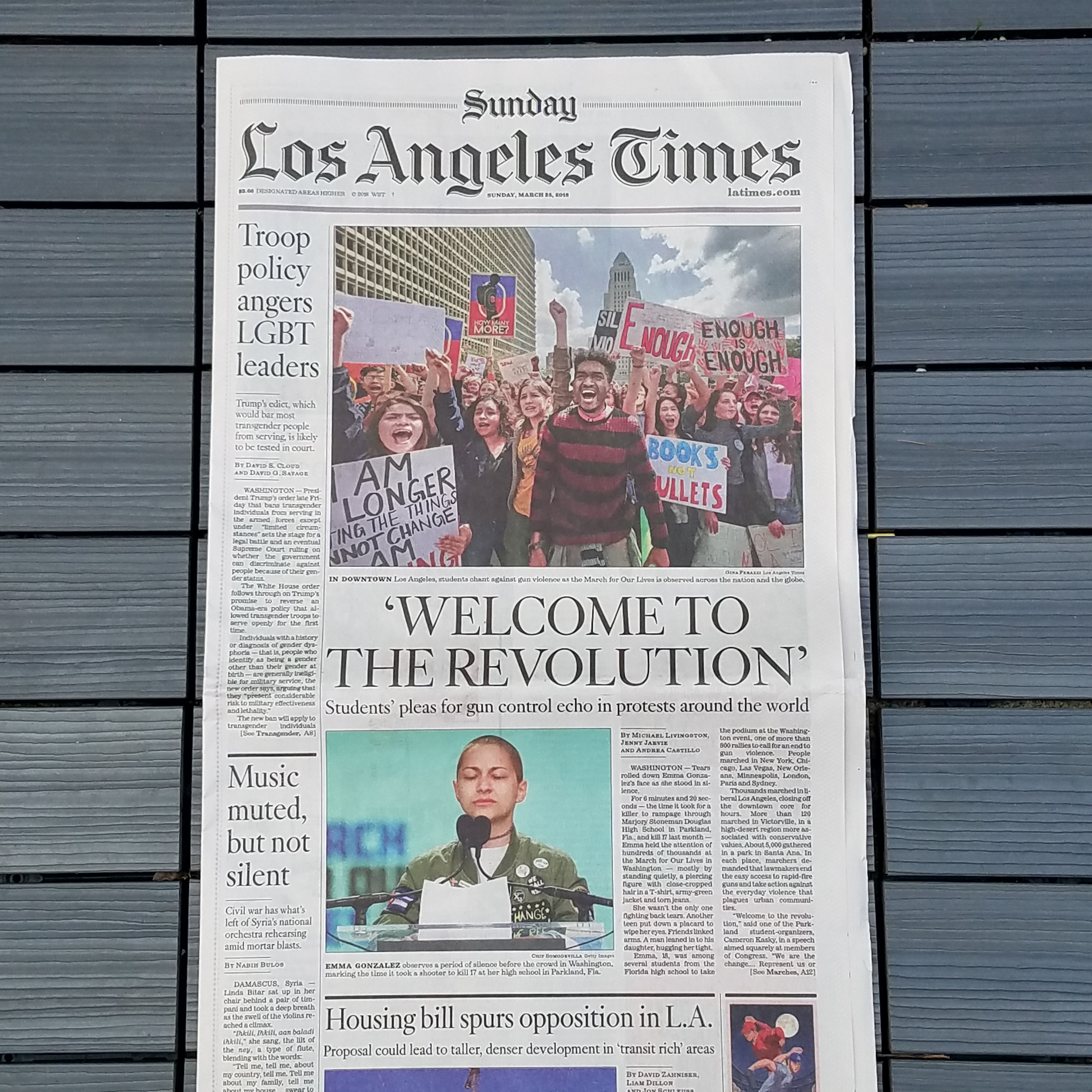
Below you will find some photos I took, mostly at the march on Saturday, a few Sunday morning of some posters I’d picked up at the end, and the front pages of the Sunday NY TIMES and LA TIMES. For years I’ve made it a practice at such demonstrations to collect discarded posters to donate to the Center for the Study of Political Graphics.
It’s a remarkable institution which collects and mounts theme-based exhibitions of political protest posters. I’ve turned over many more since my first donation of about a thousand posters some 20 years ago. You can, AND SHOULD, donate any old posters (young ones also accepted). US residents can even get a tax deduction. More importantly, if you have posters and they are sitting in the garage not being seen by anyone, they could get mildewed and eventually will only be good to be thrown out. Check them out here: http://www.politicalgraphics.org/
Walter Lippmann
Los Angeles, California
March 26, 2018
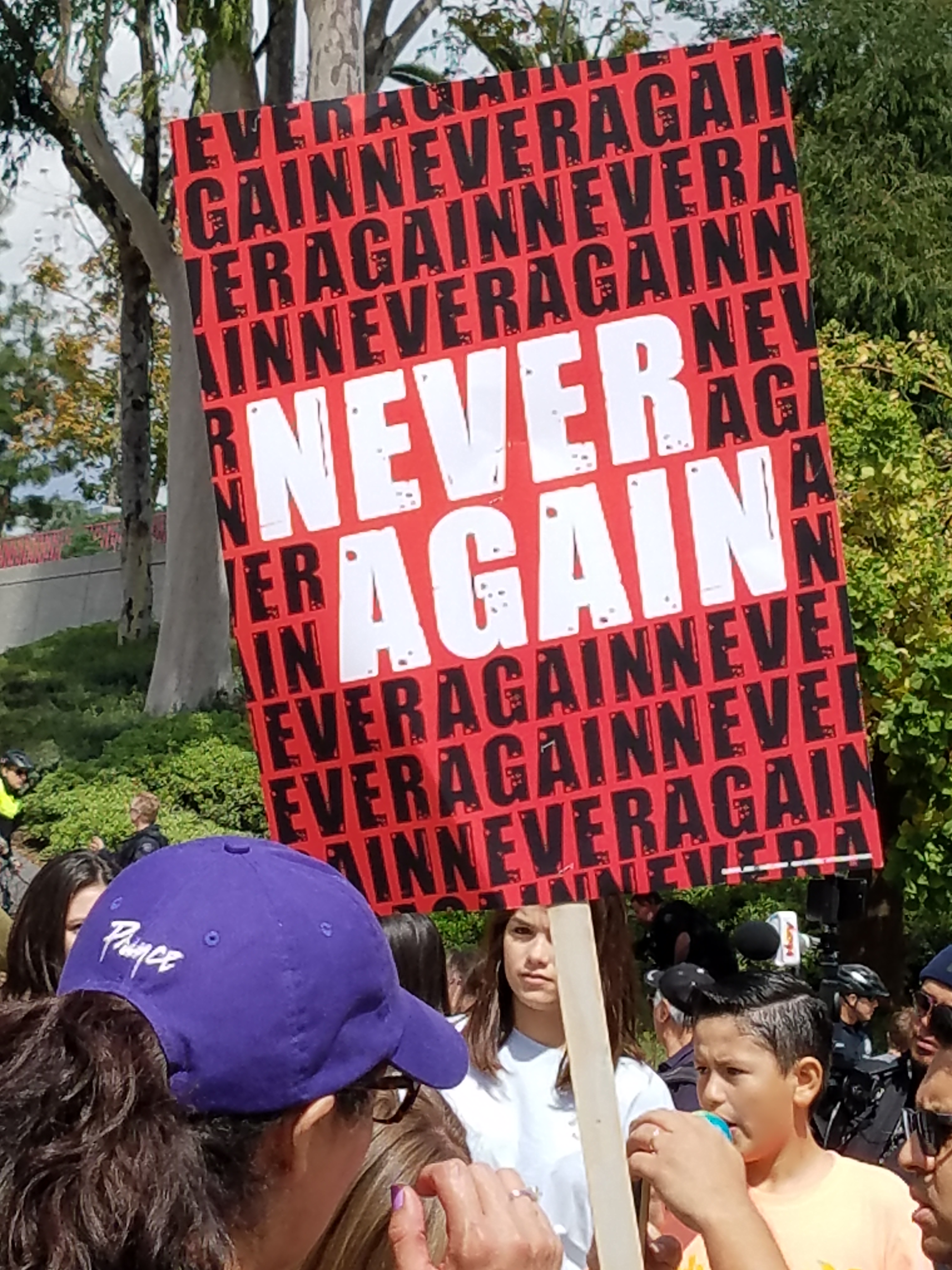
March For Our Lives – Los Angeles – Photos
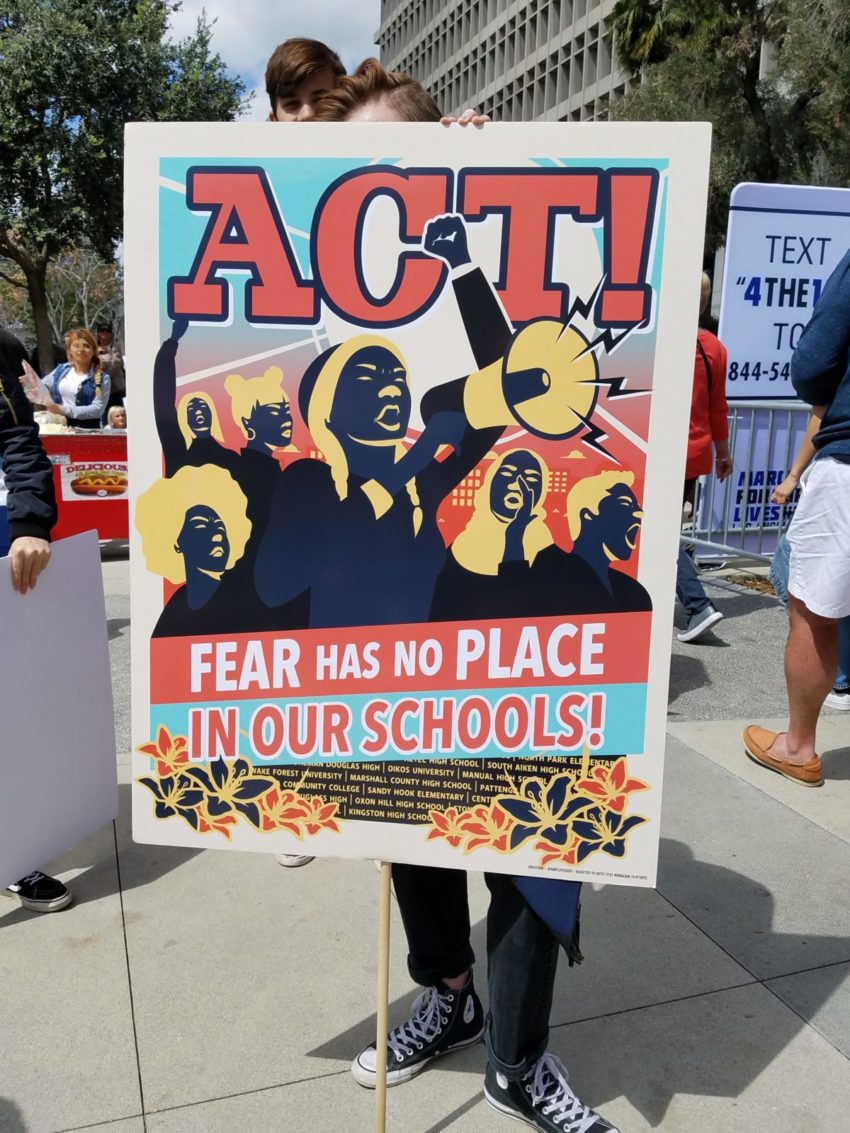
March for Our Lives – Los Angeles, March 24, 2018
by Walter Lippmann, March 26, 2018
The following pictures were almost entirely taken by me on a Samsung Galaxy S7 cell phone. A few with me were taken by people at the march who kindly took pictures of me with other people. I hope you will enjoy these images. There are twenty-eight.
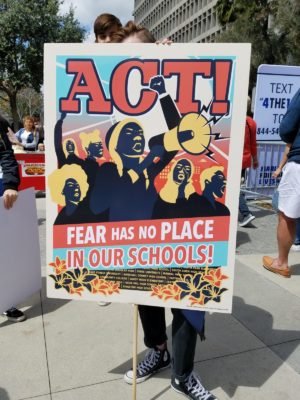

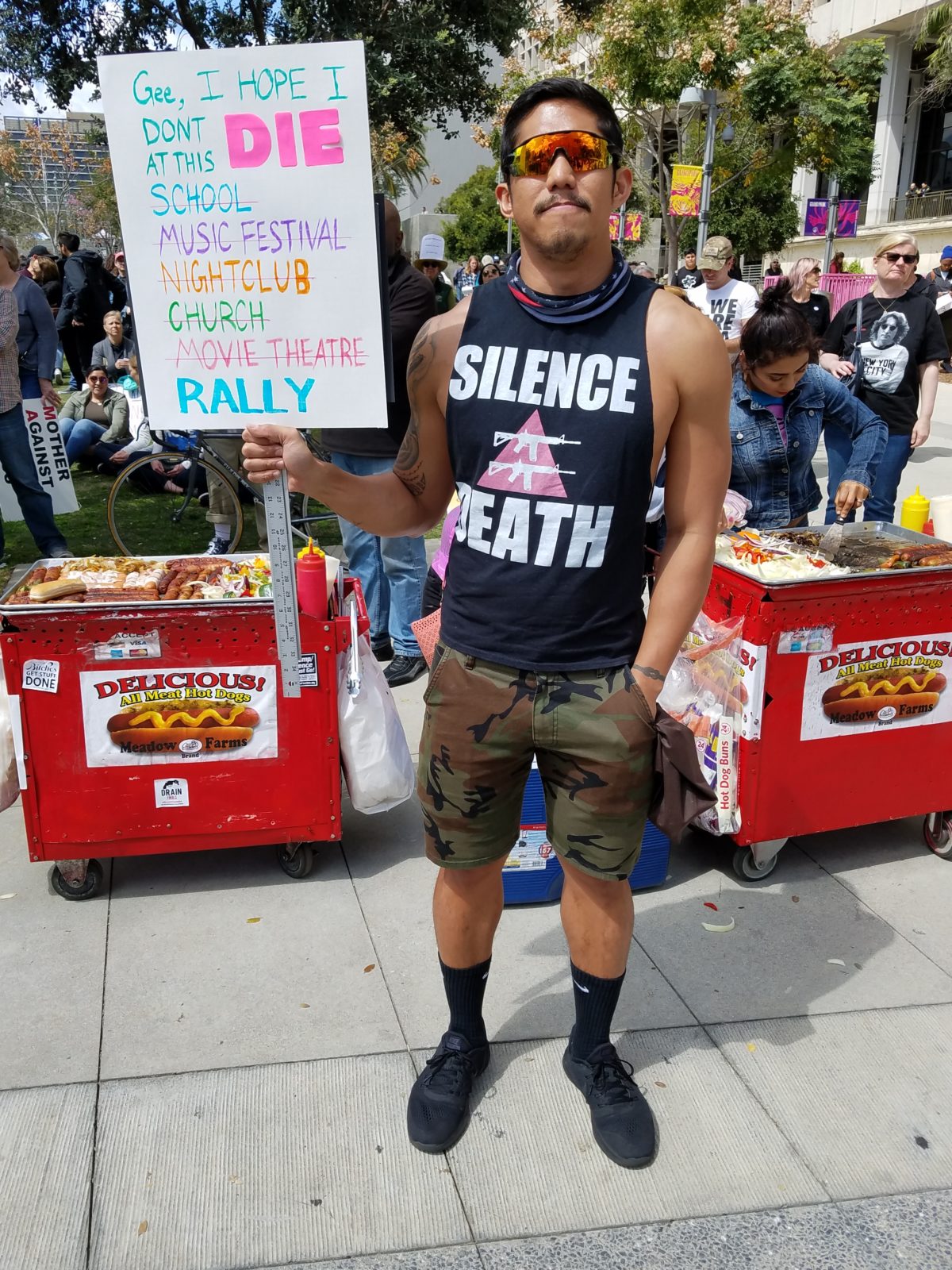
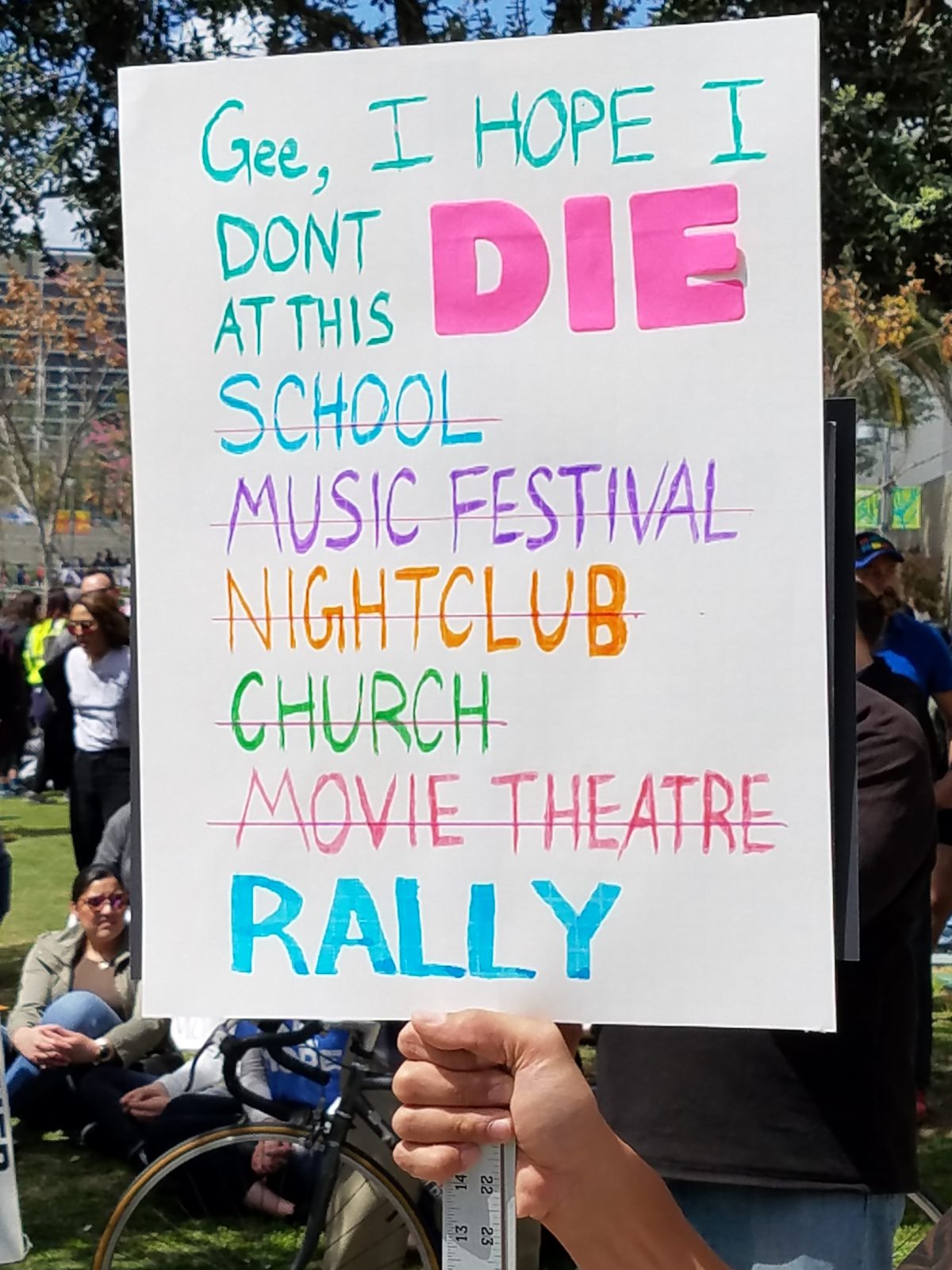
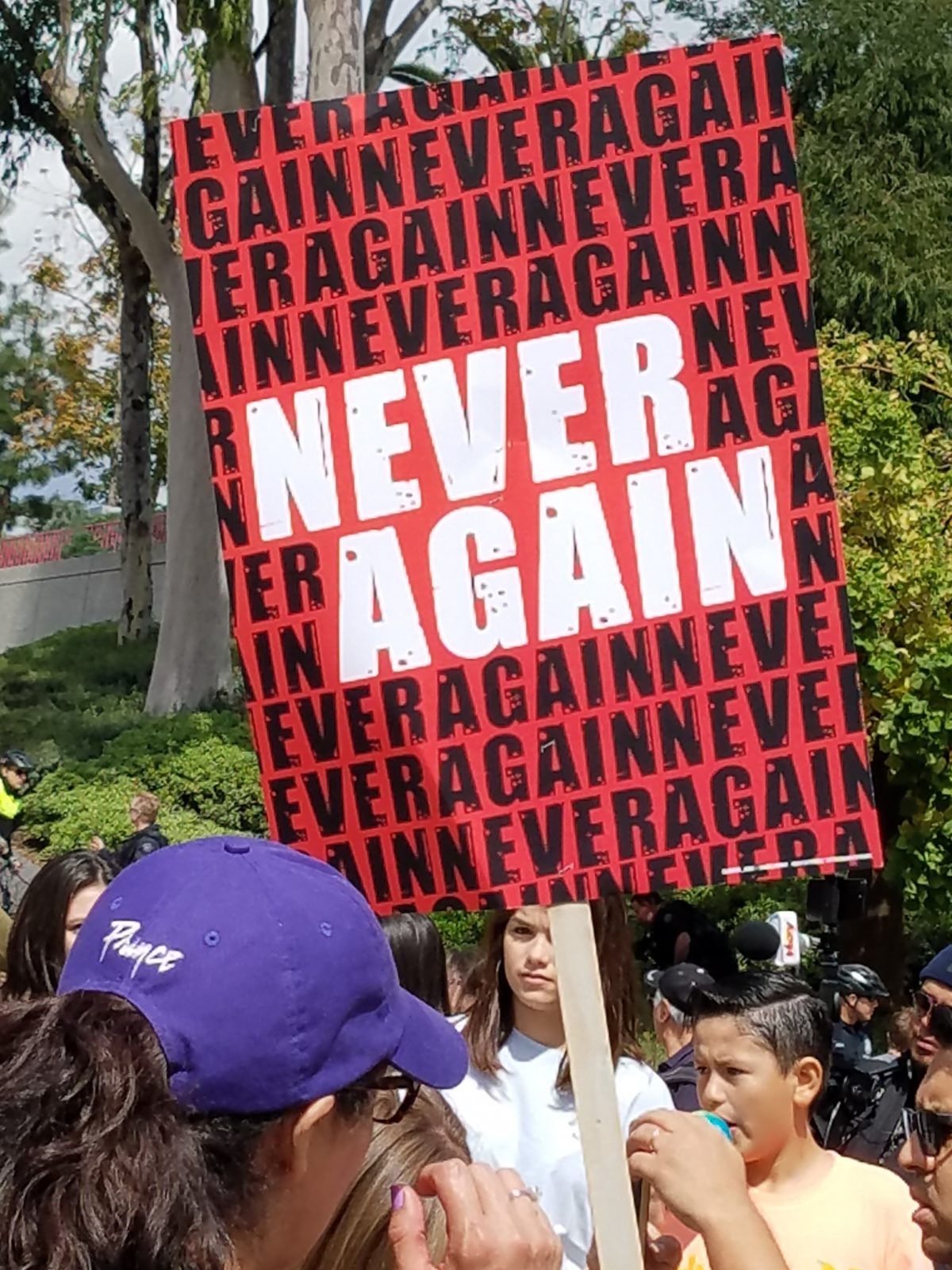
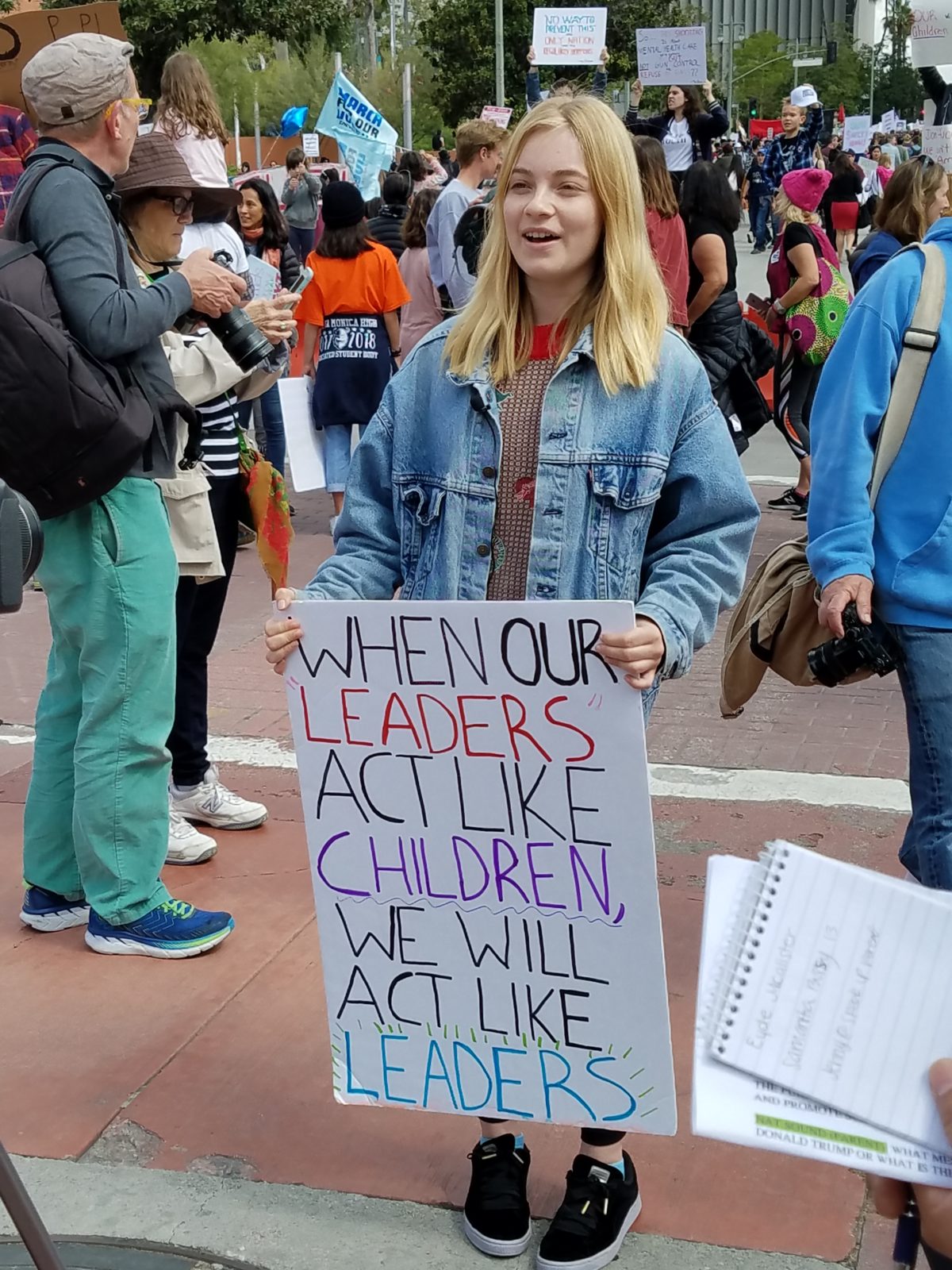

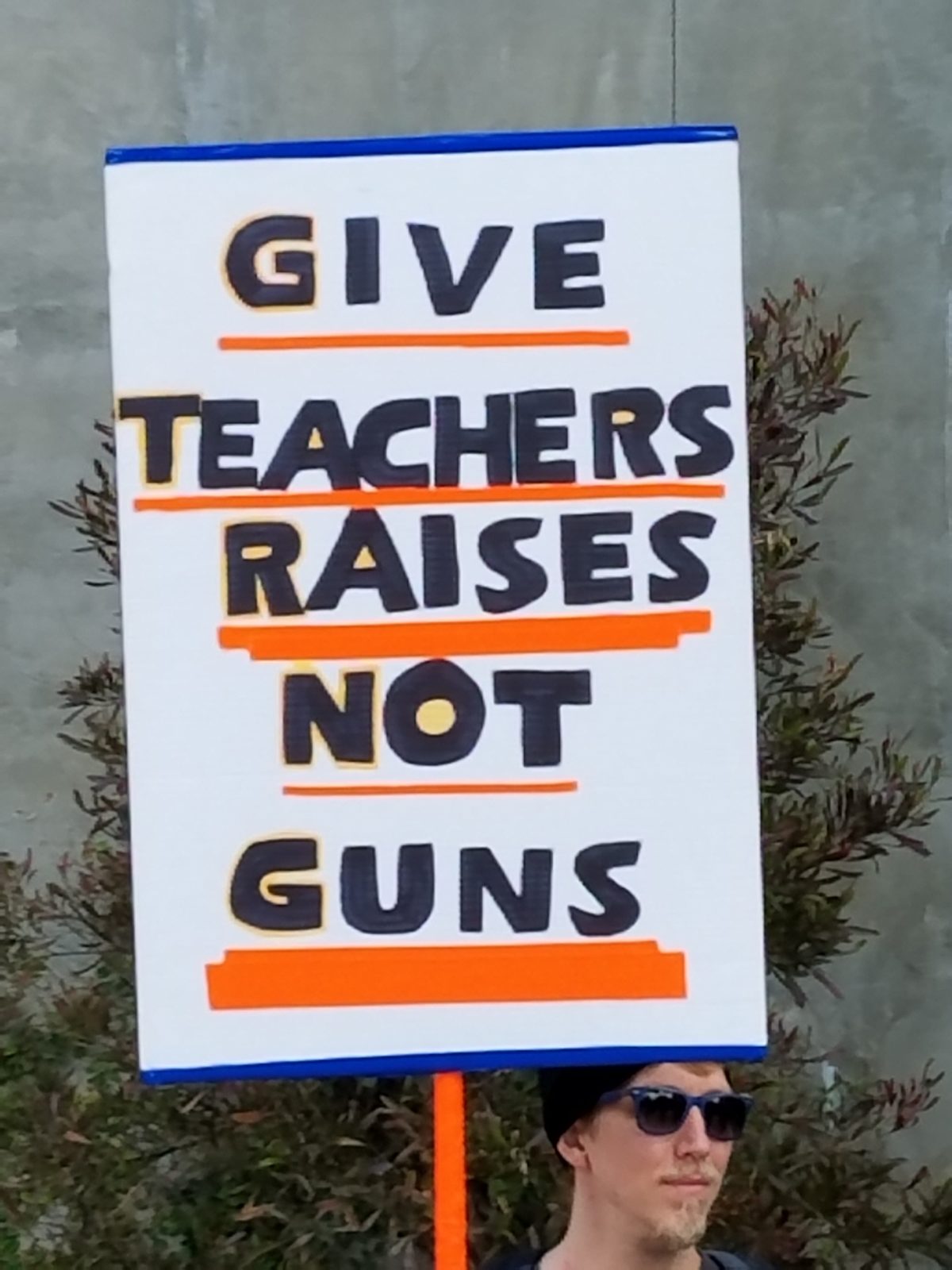


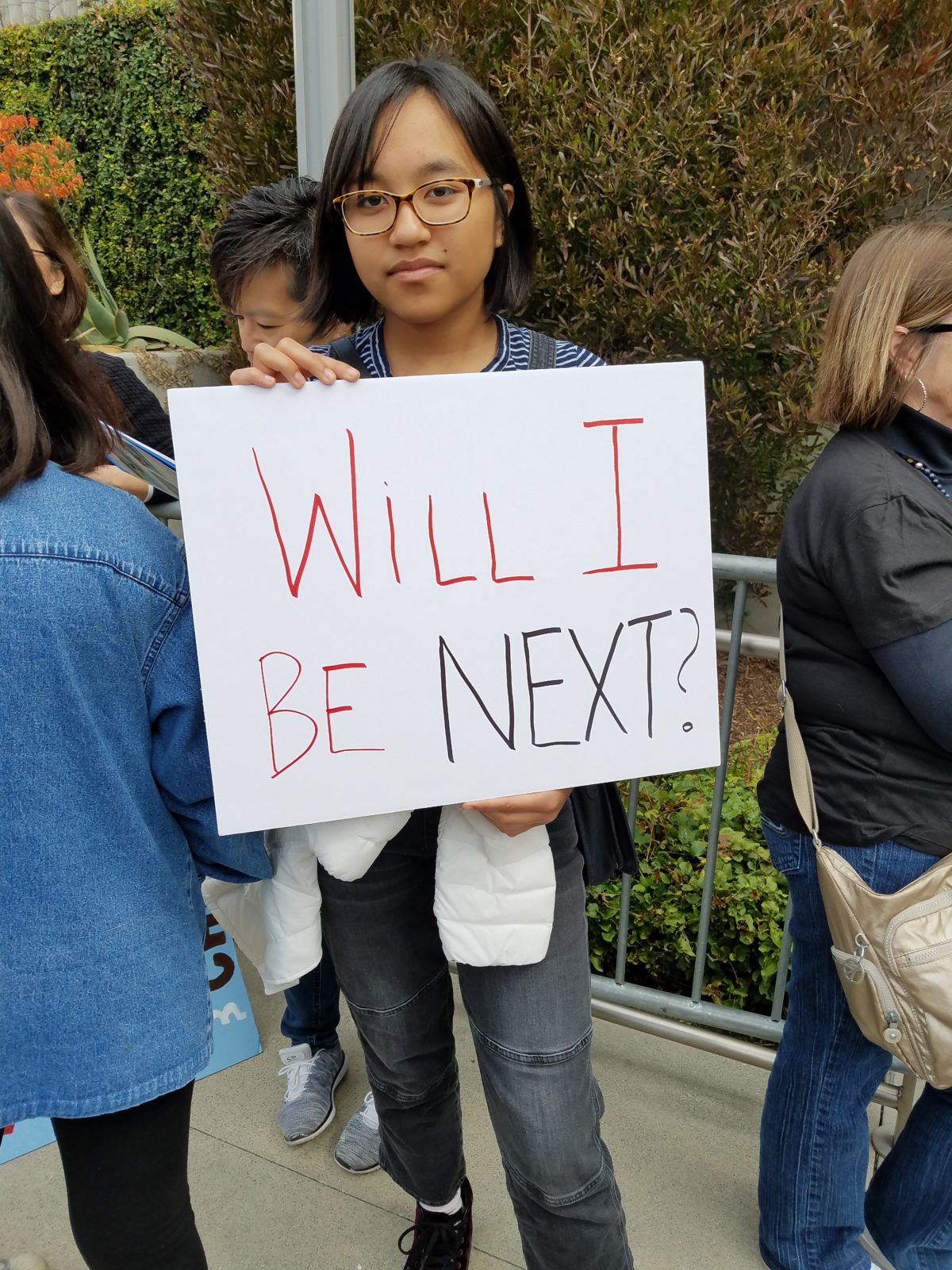
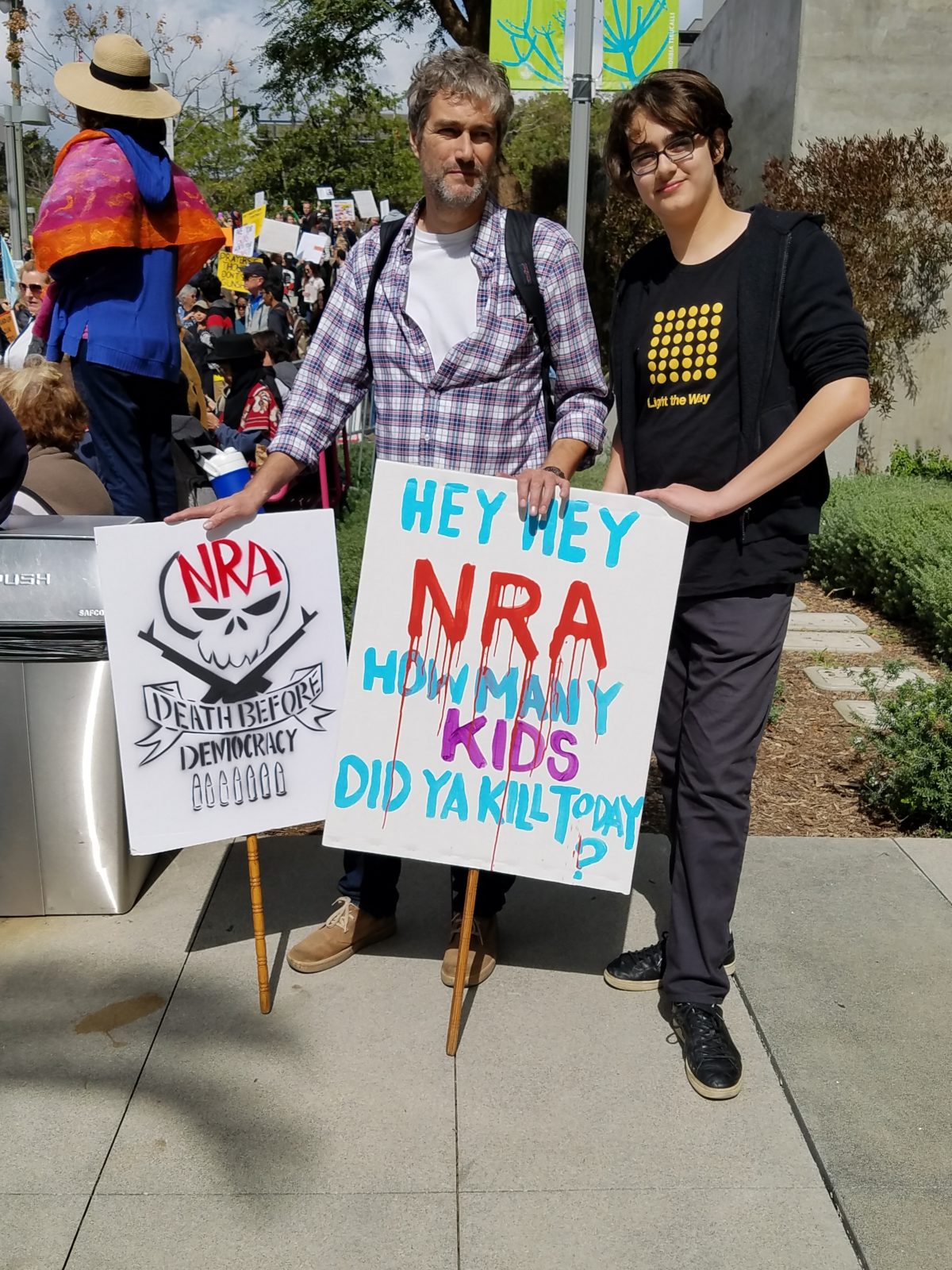

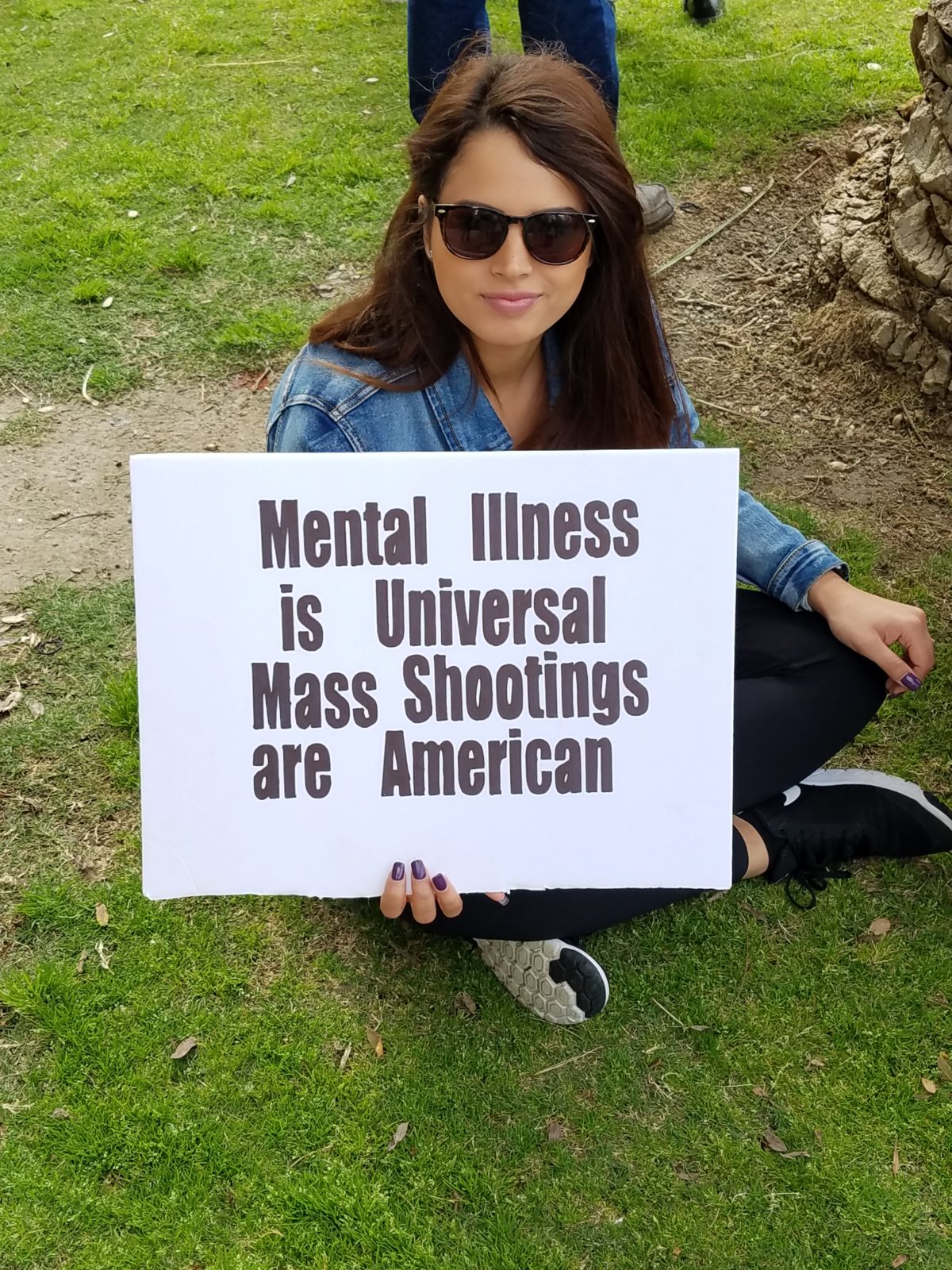
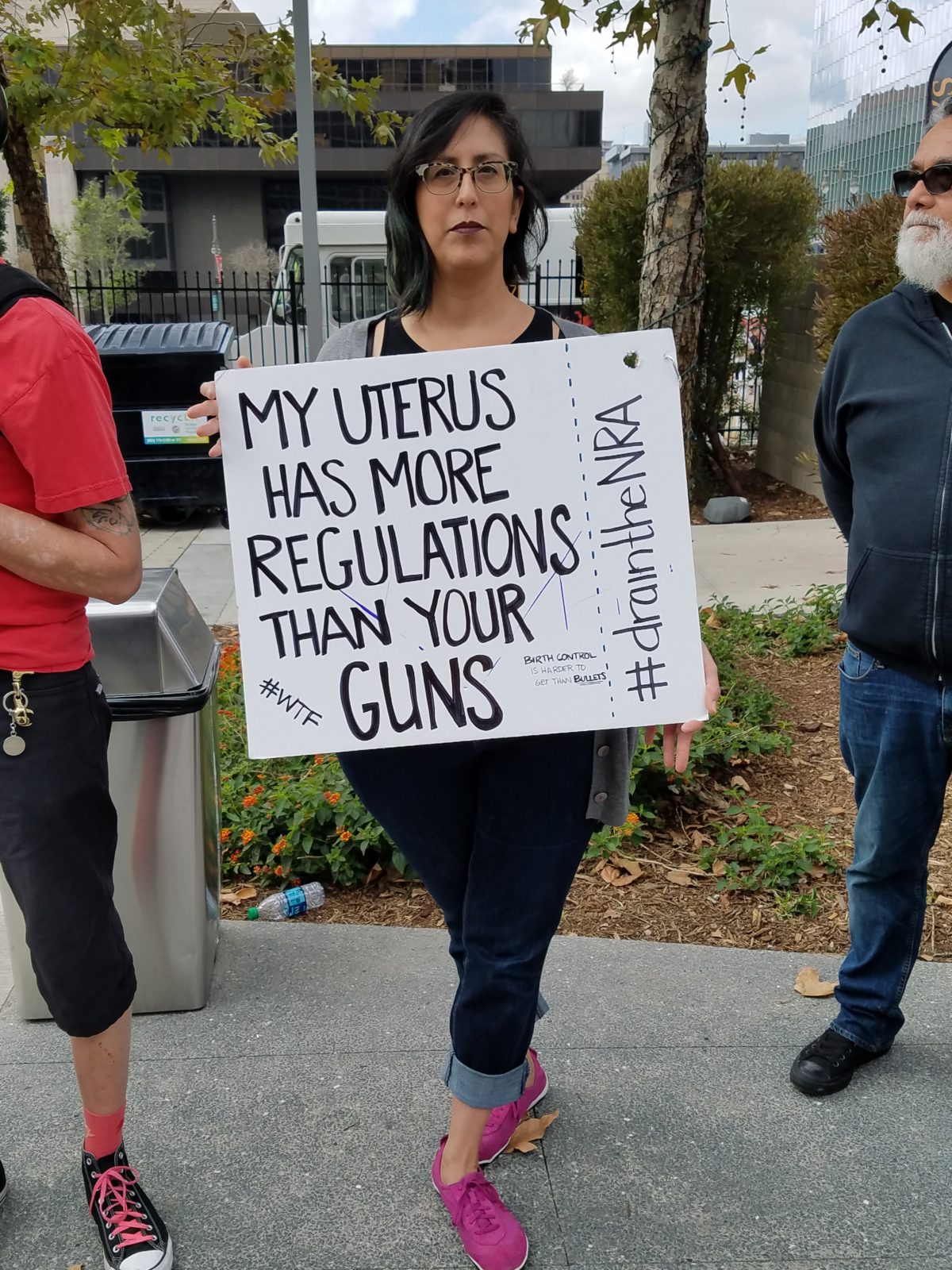
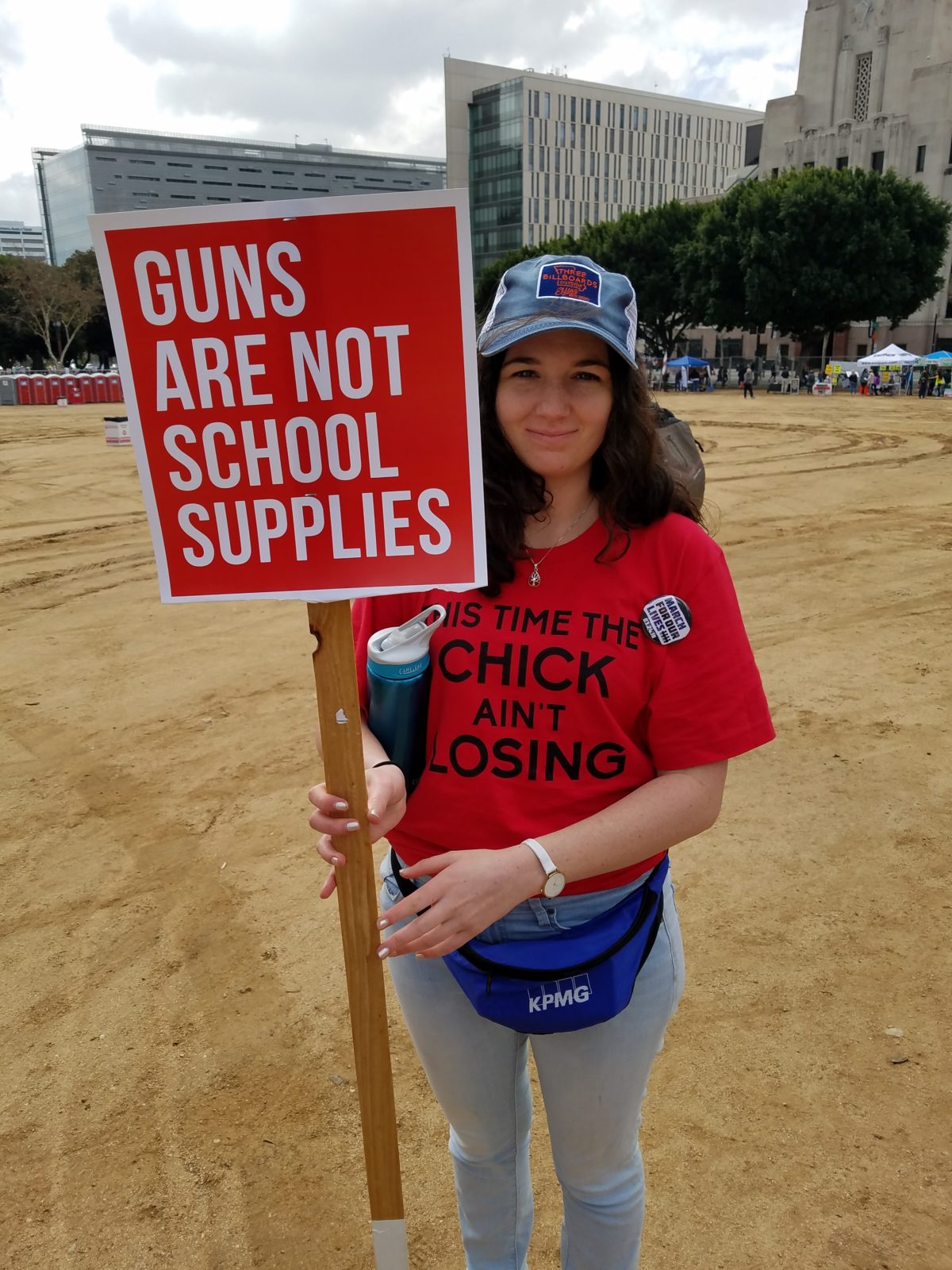
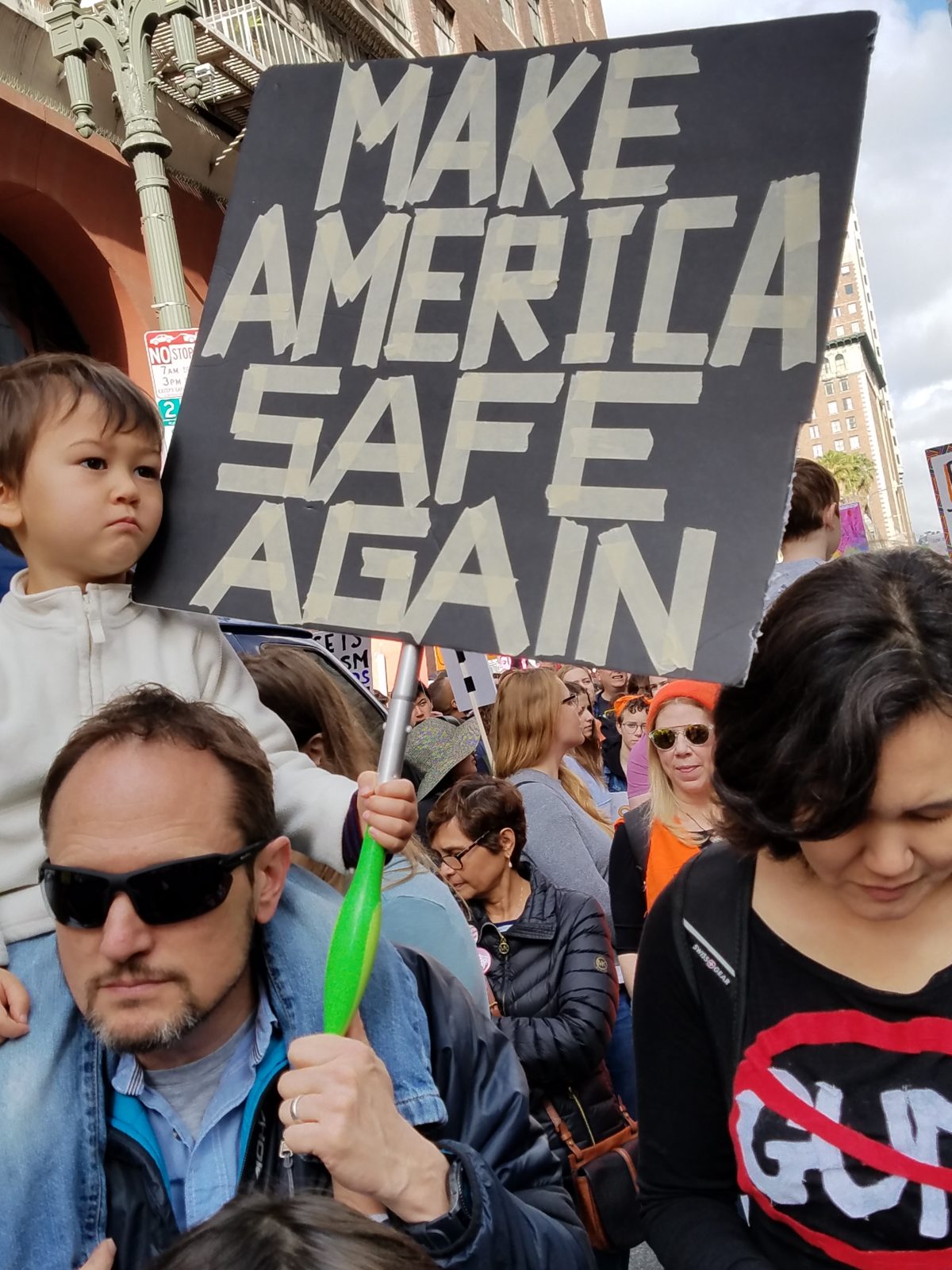
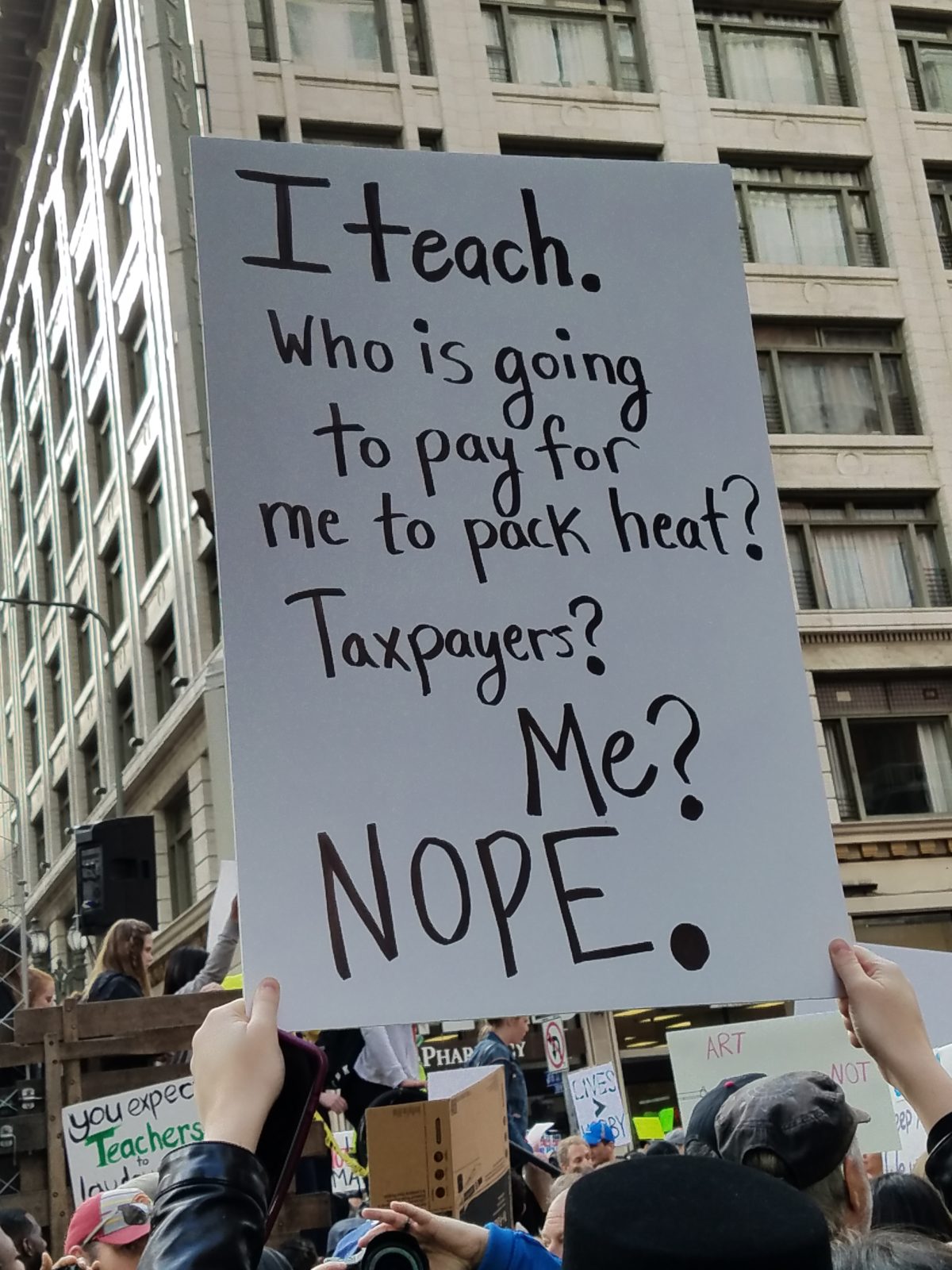


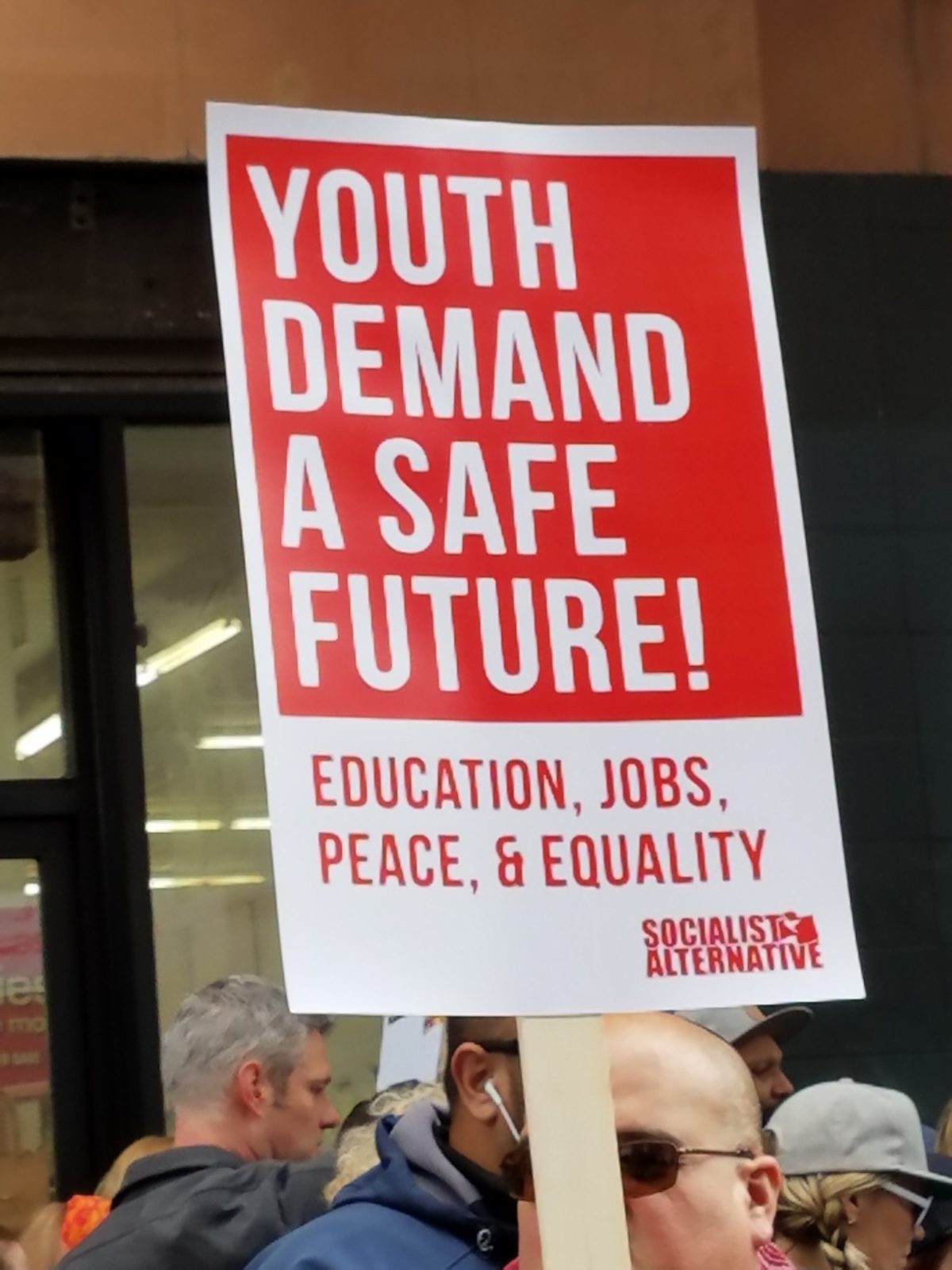
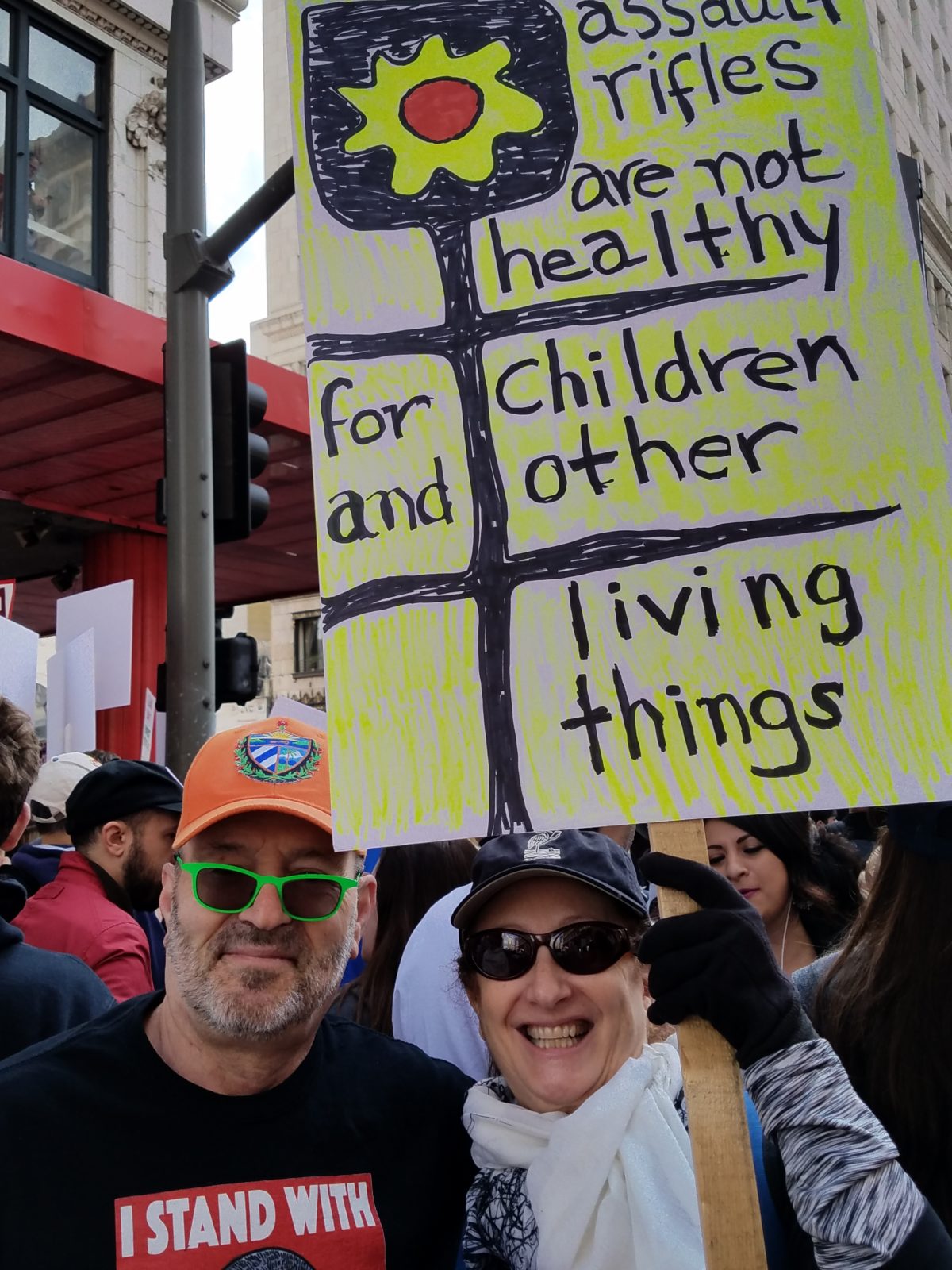

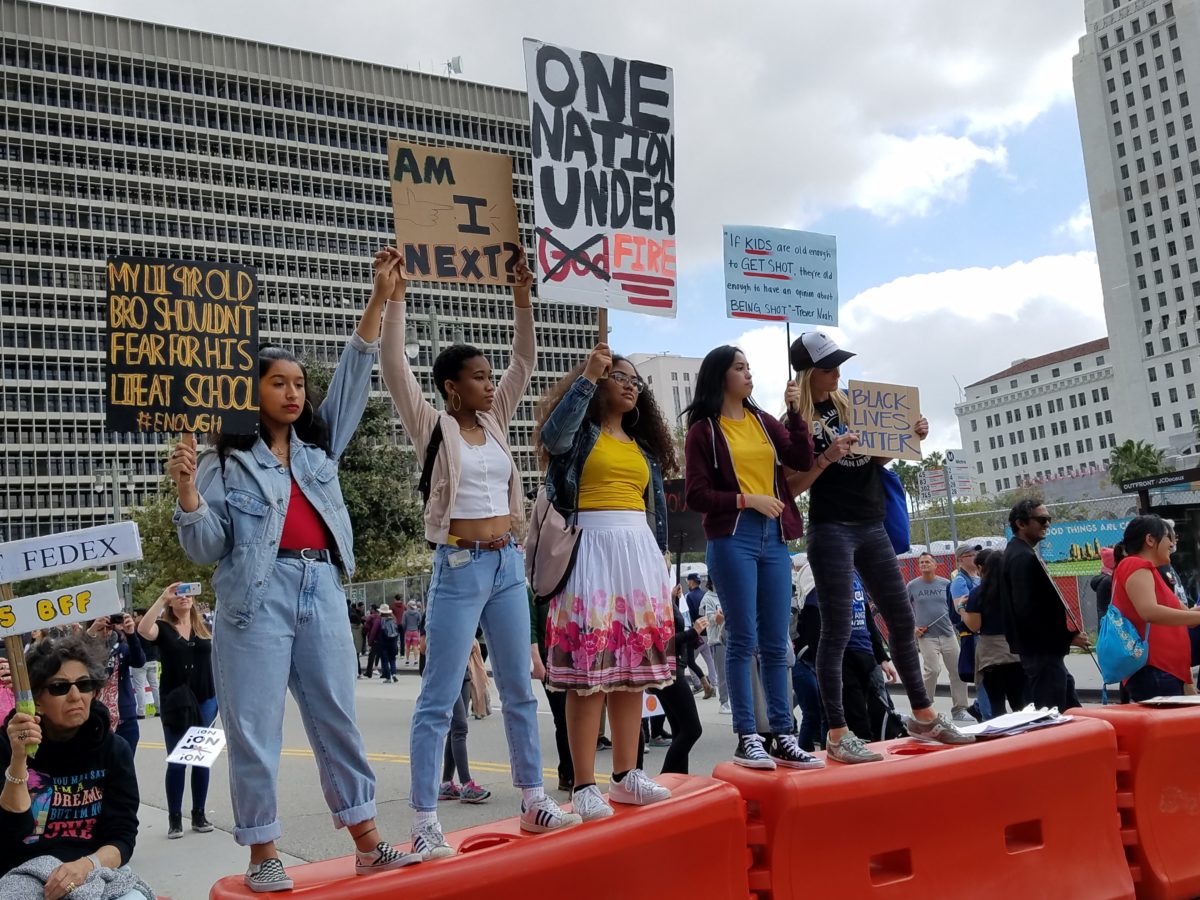
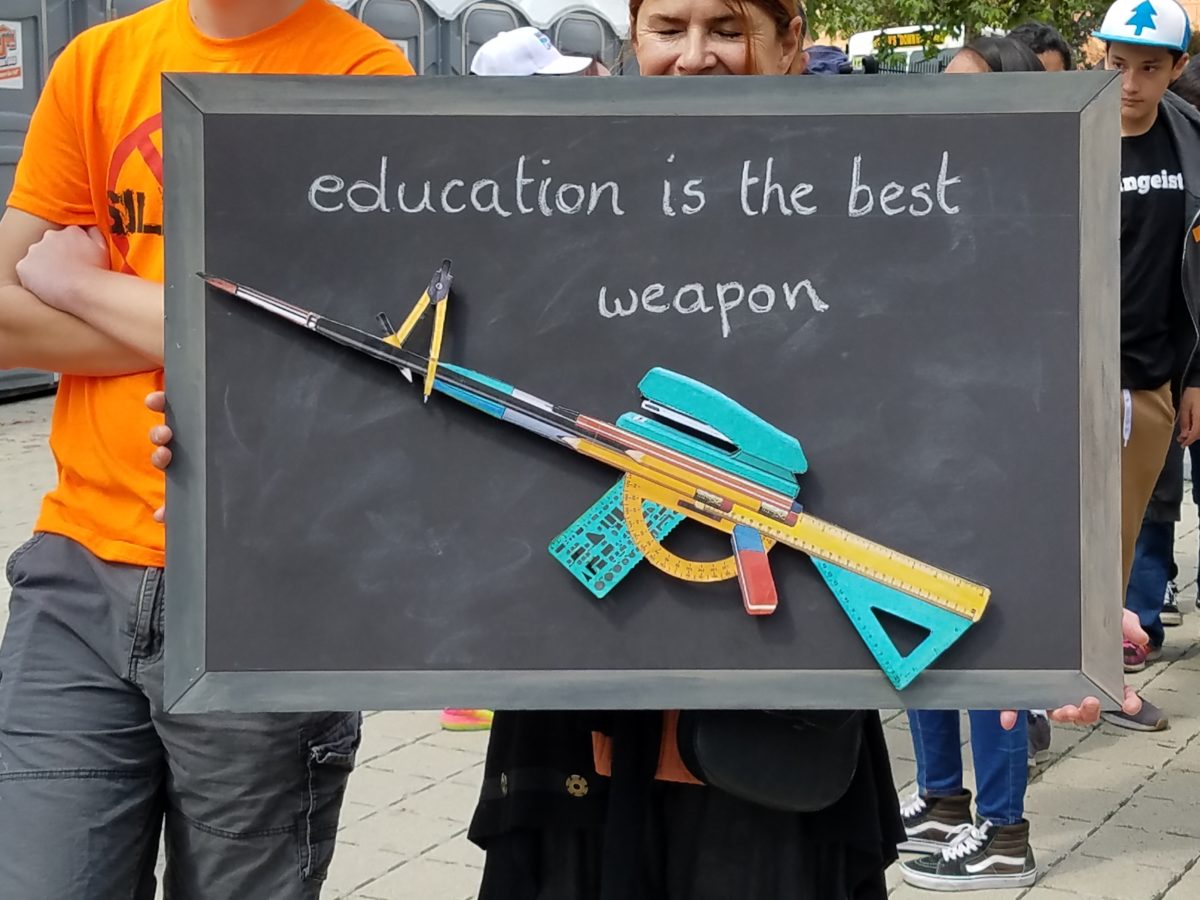

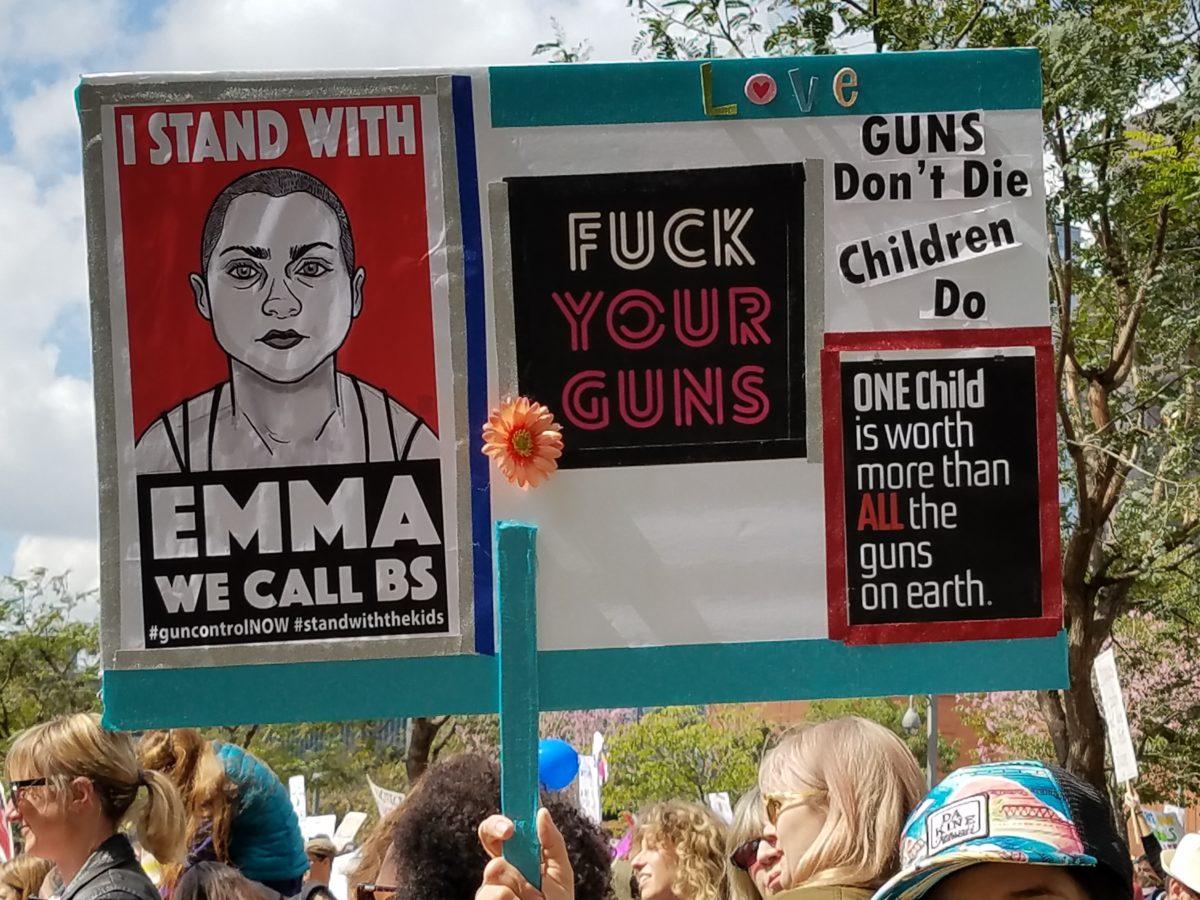
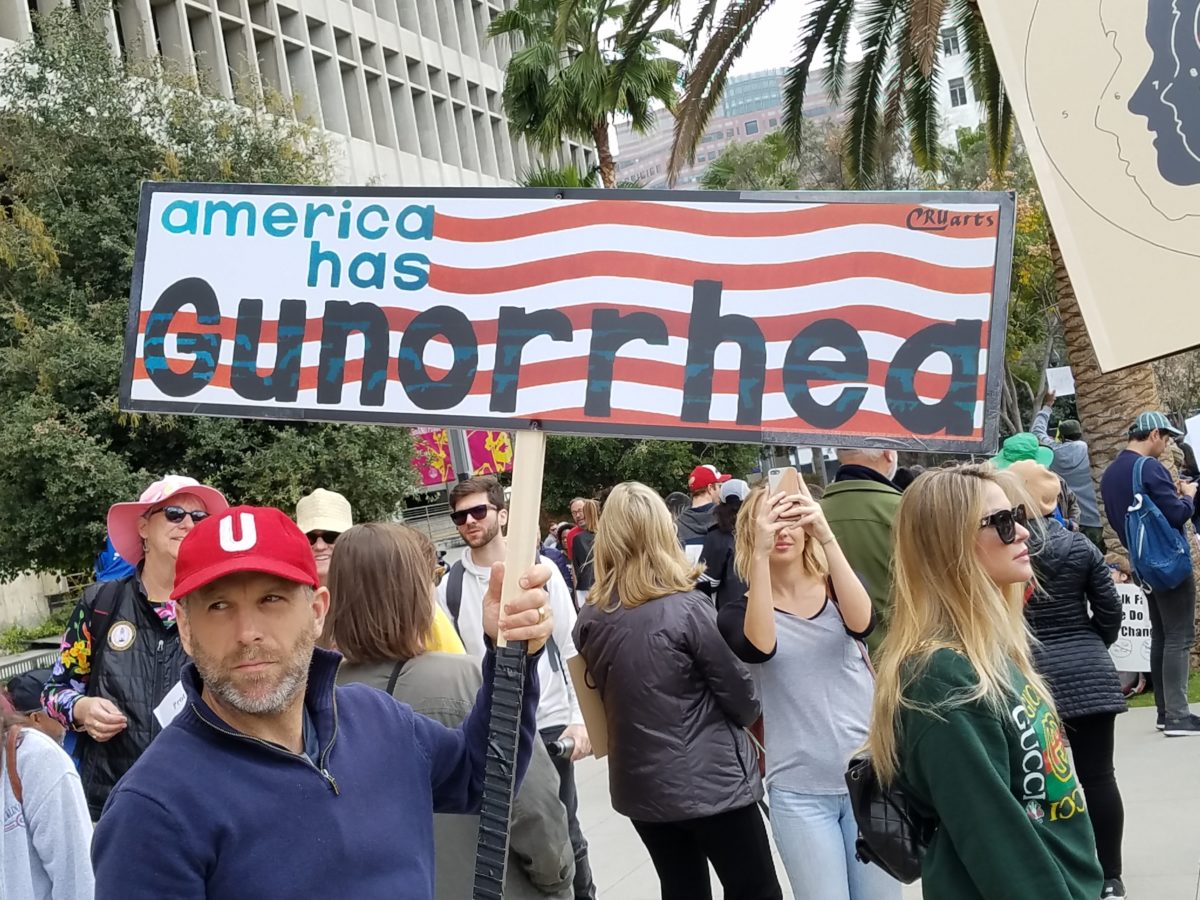
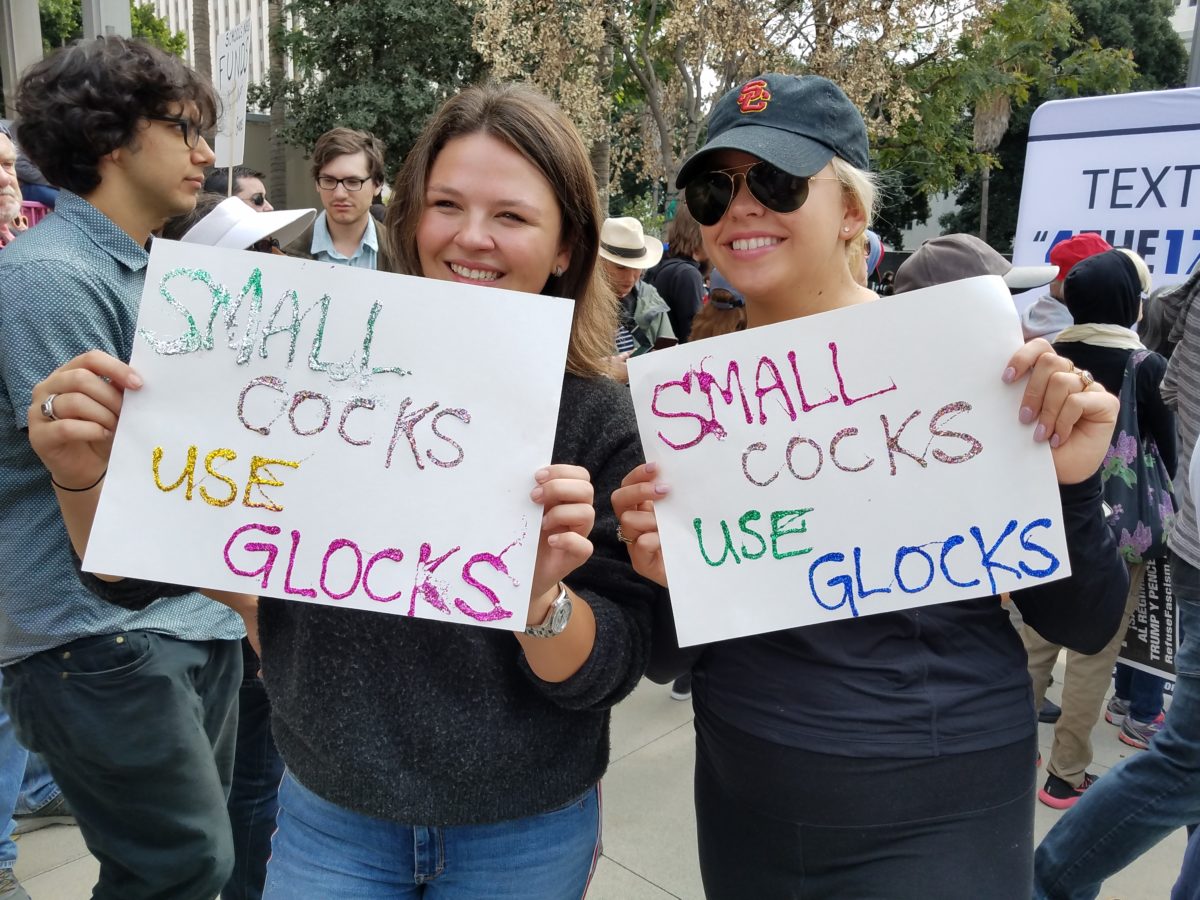
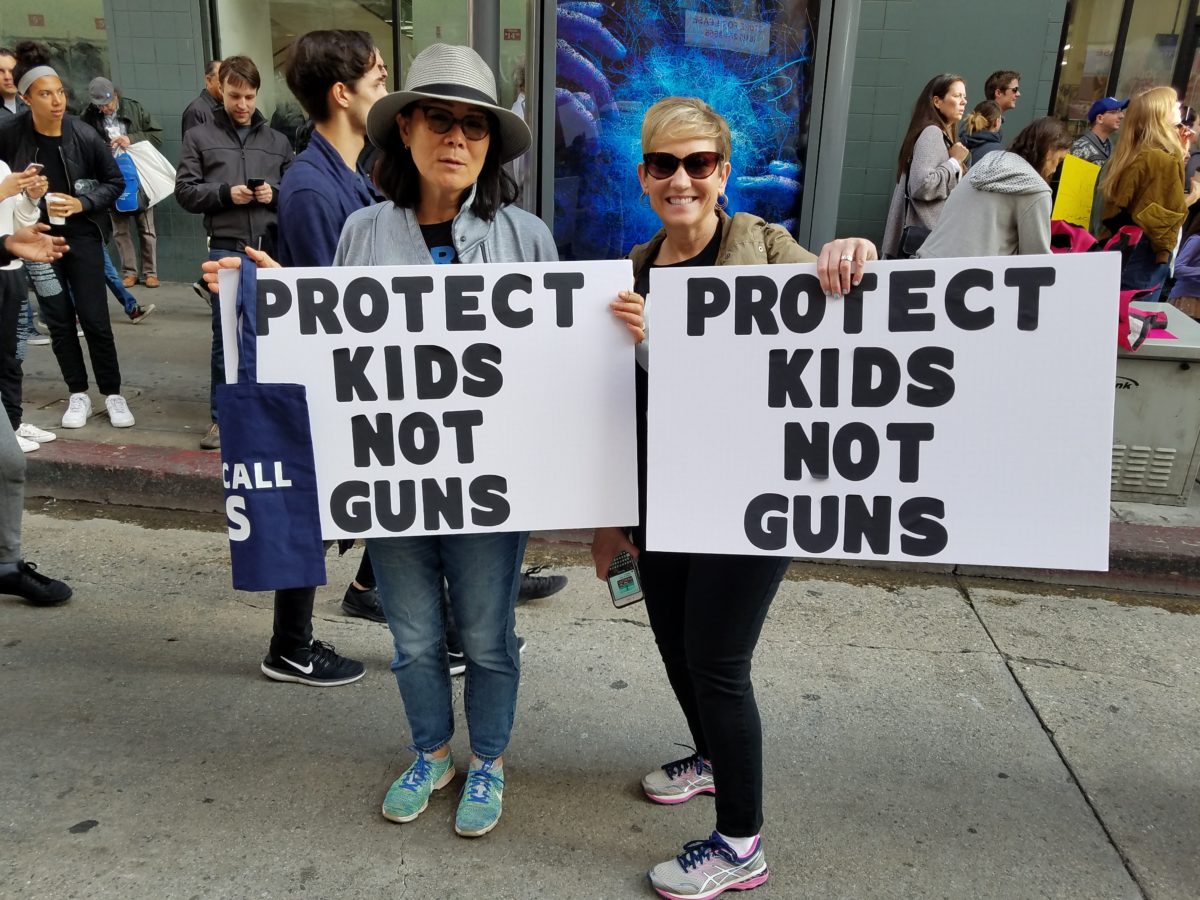
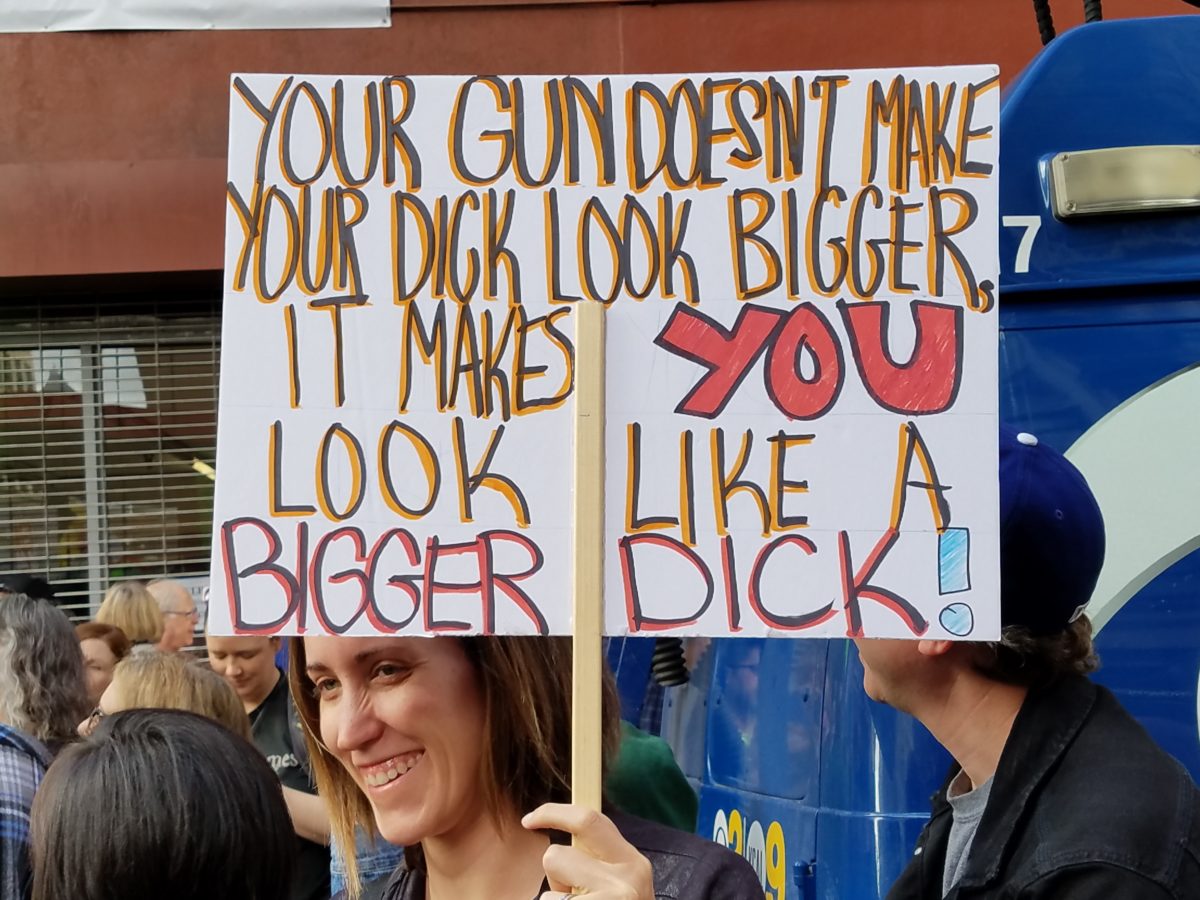
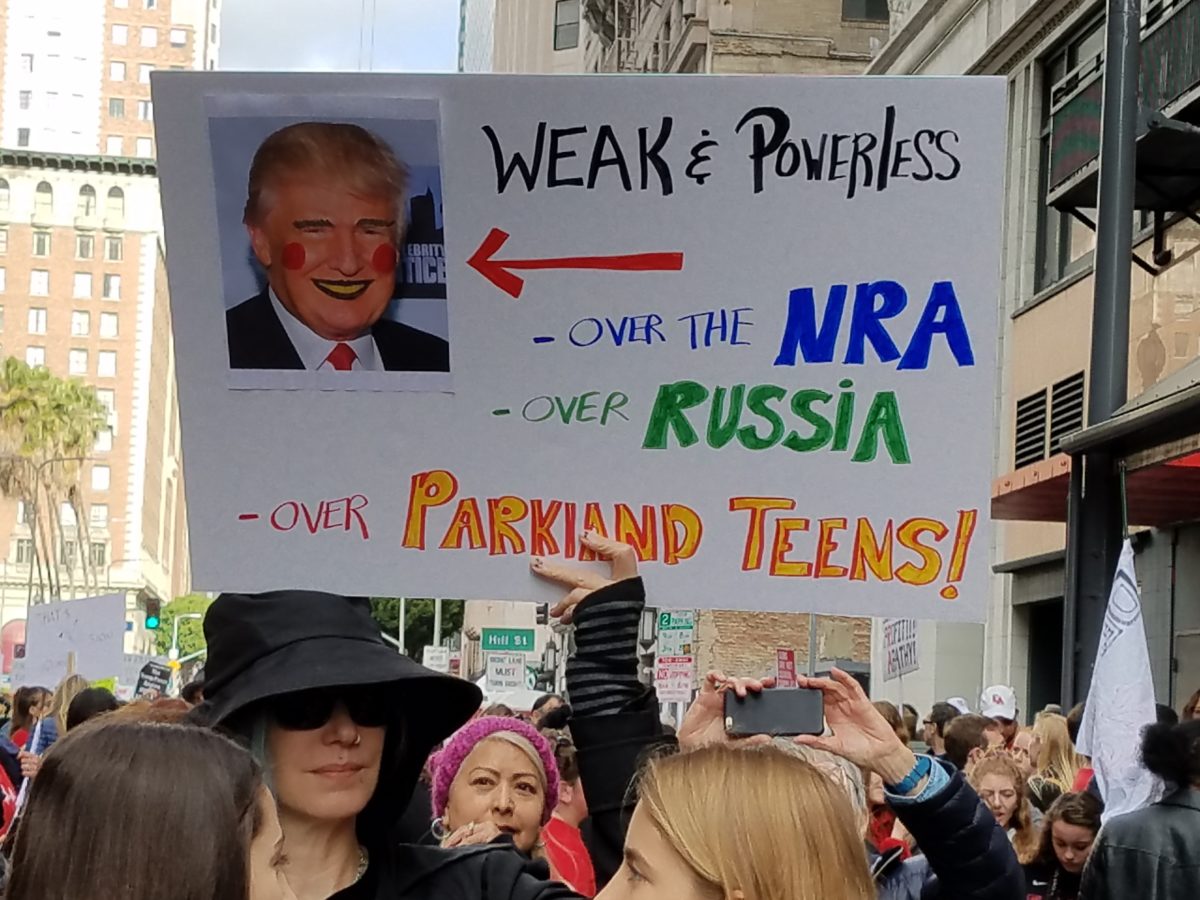
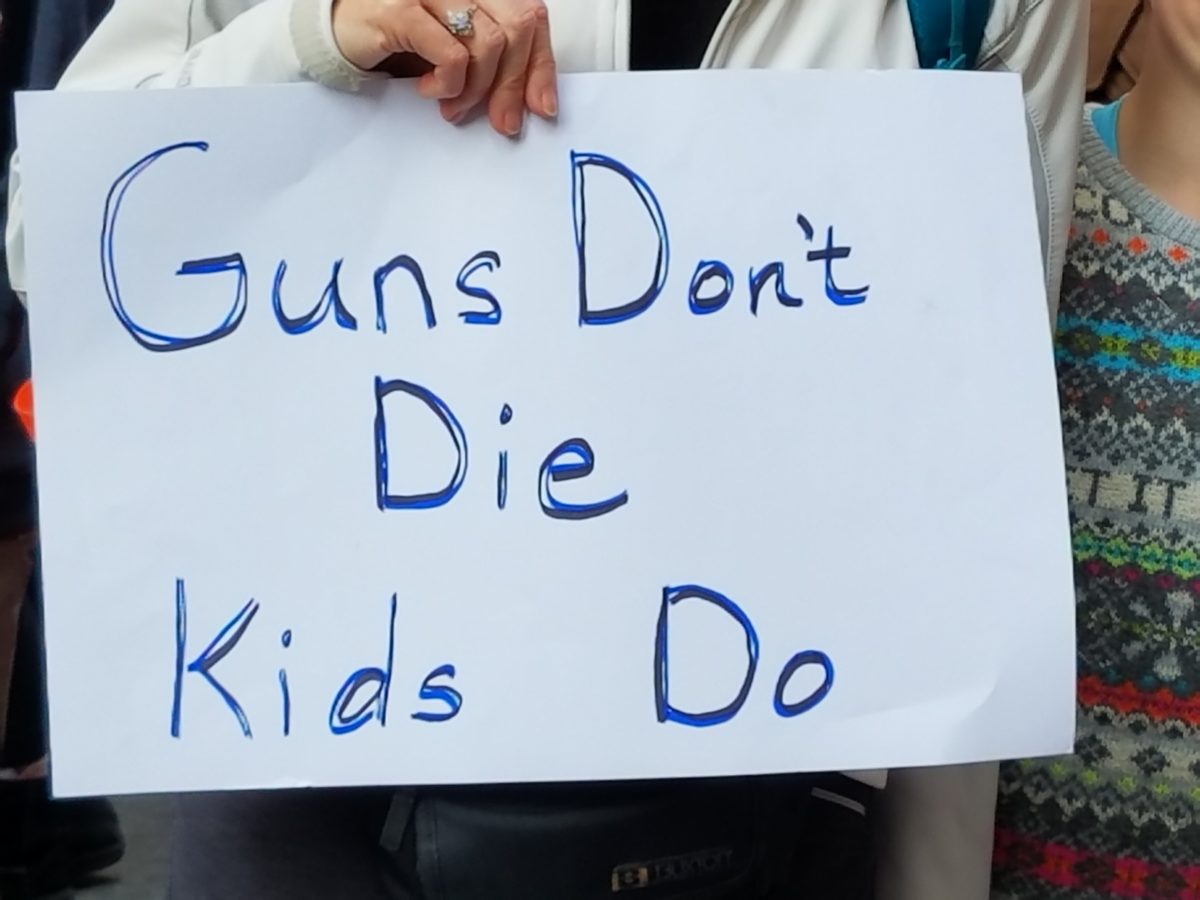
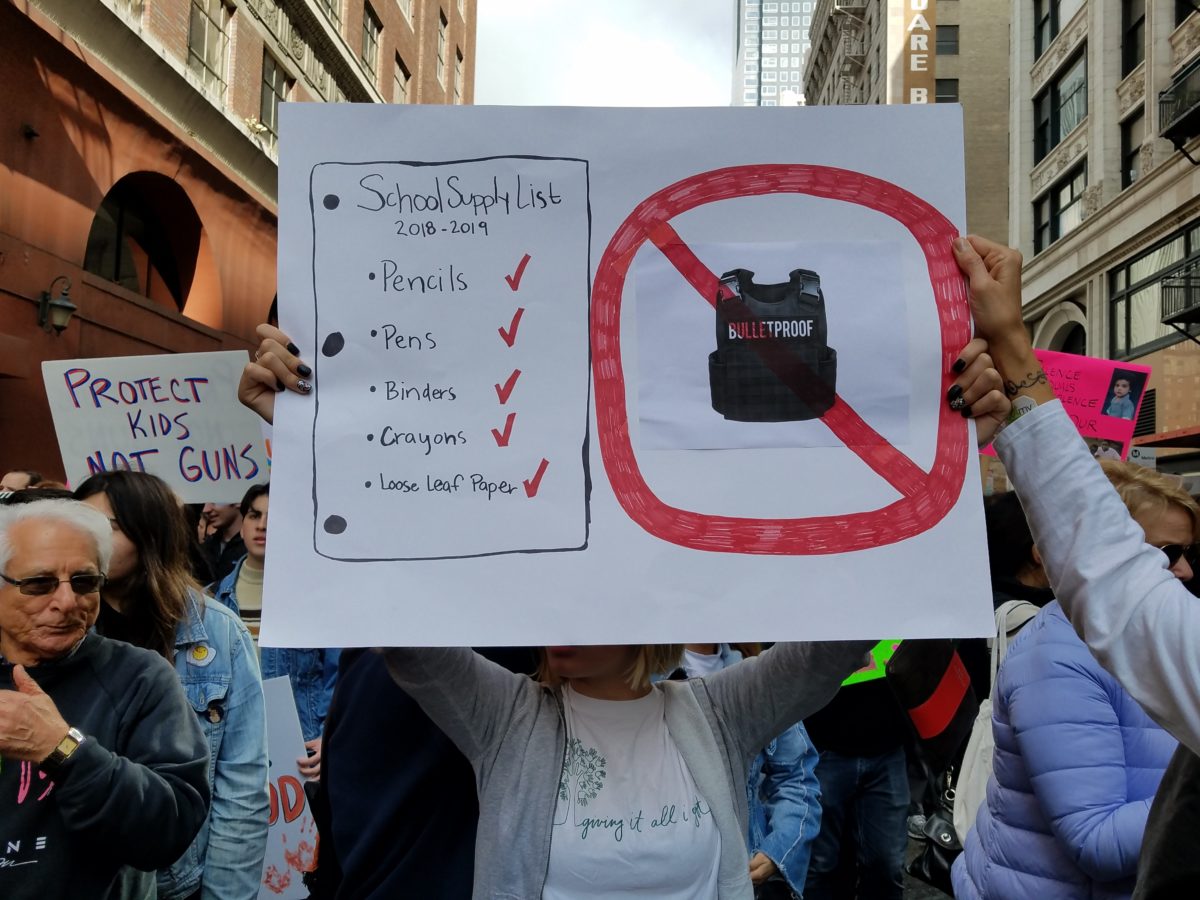
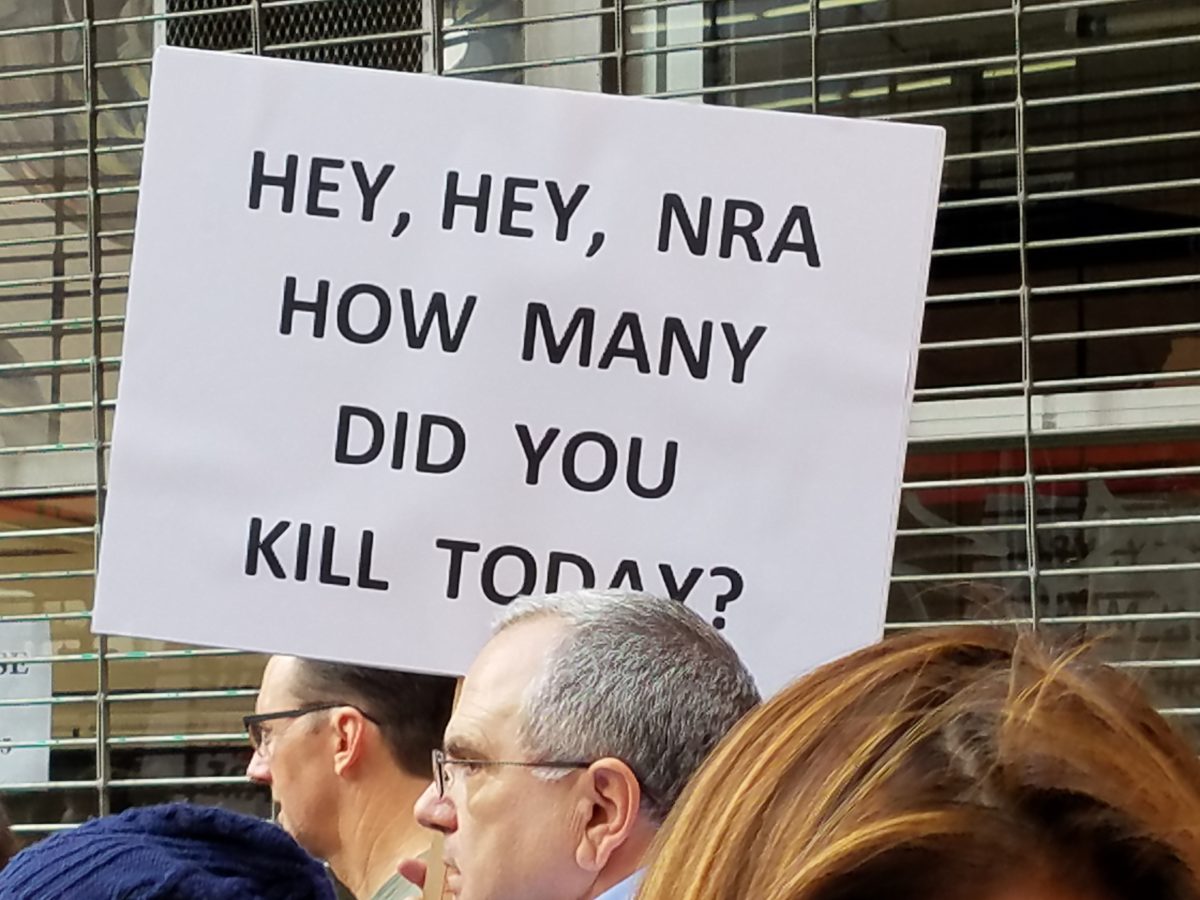
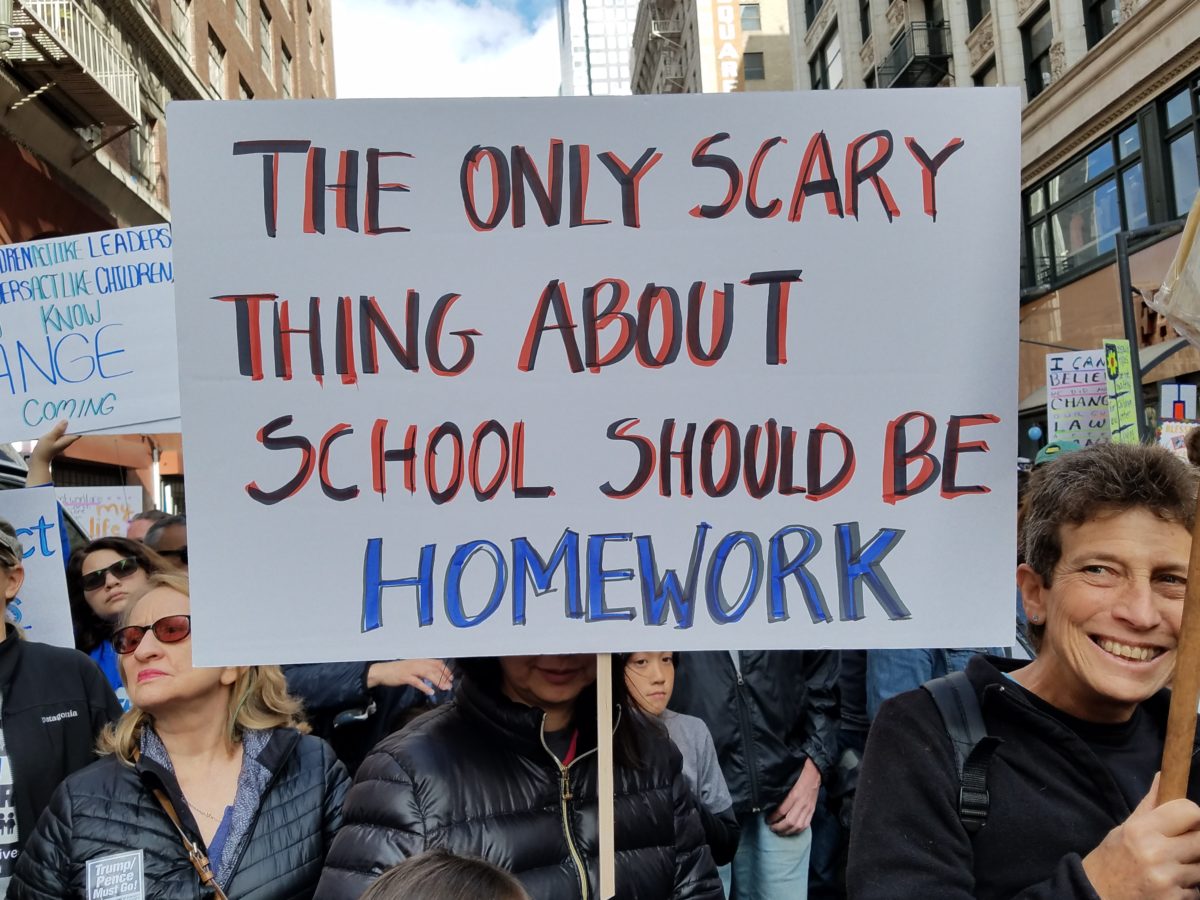
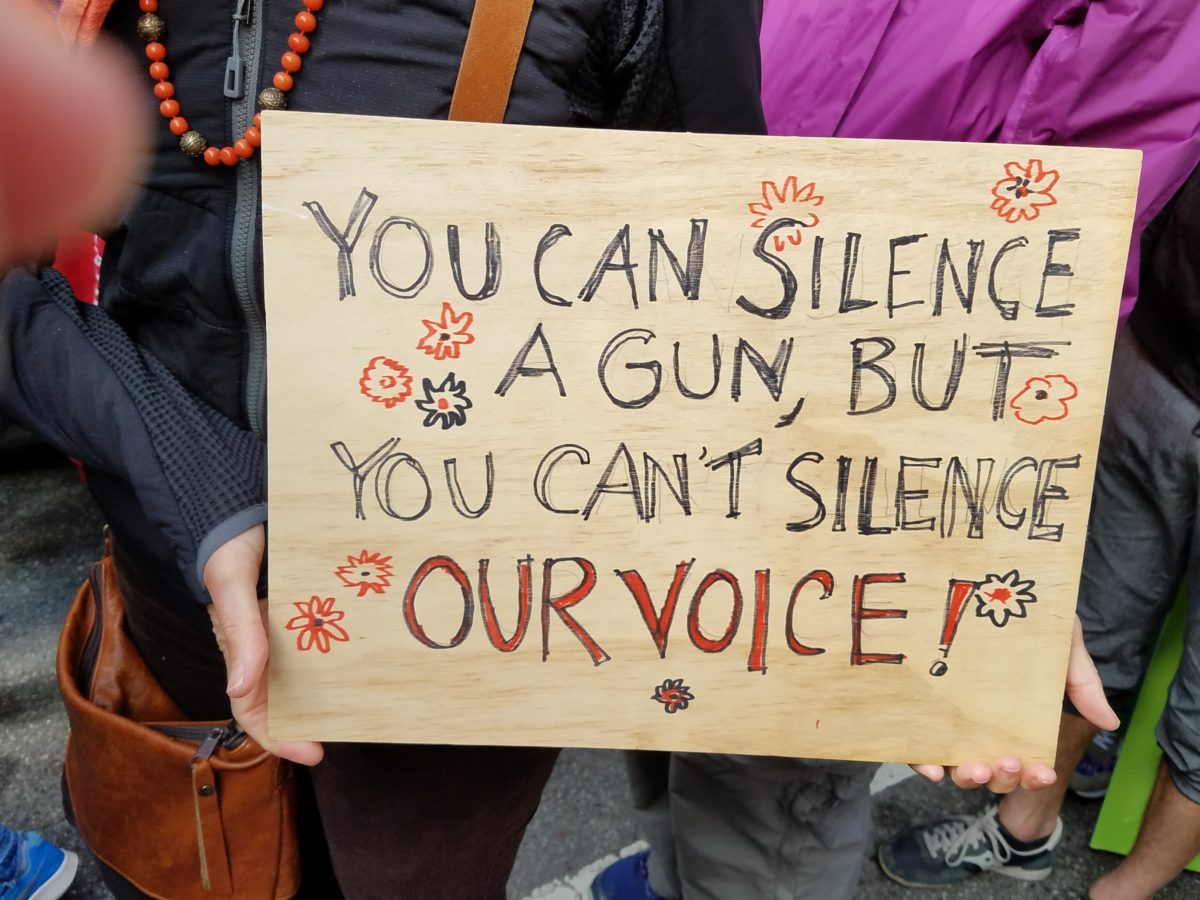
Many demonstrations in the United States
Many demonstrations in the United States
Students and youth join a massive march for our lives against gun violence
By Juventud Rebelde digital@juventudrebelde.cu
A CubaNews translation.
Edited by Walter Lippmann.
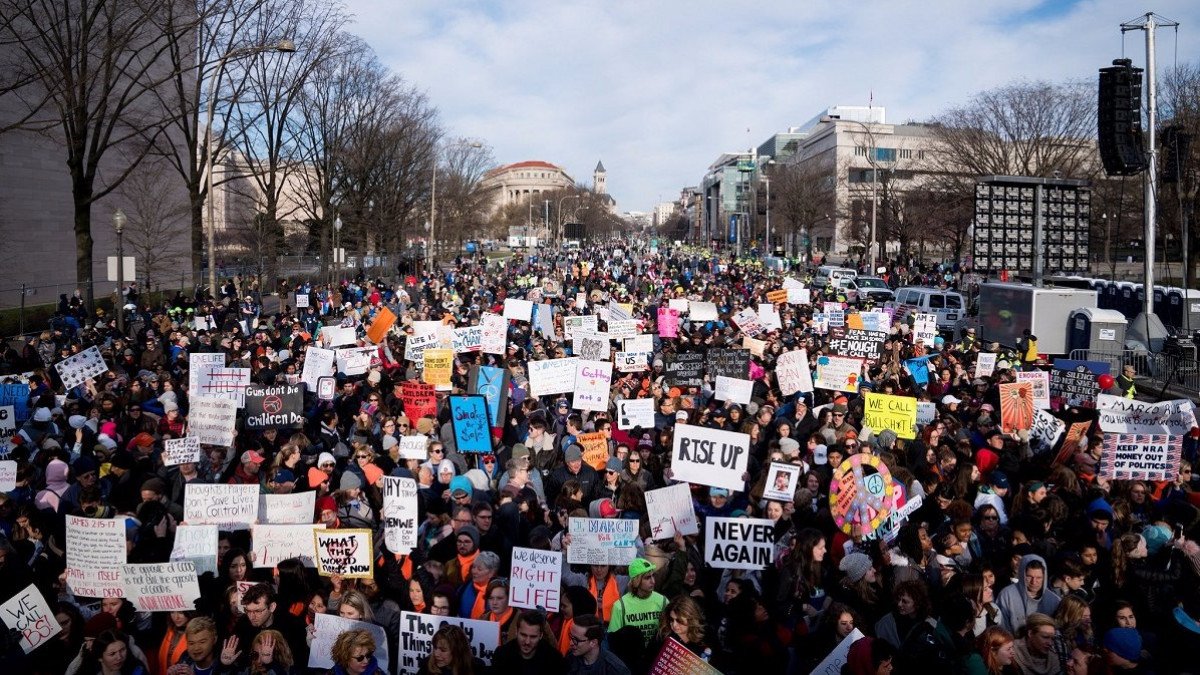
WASHINGTON, March 24.- Hundreds of thousands of demonstrators took to the streets in Washington and 800 other U.S. cities on Saturday in a massive protest called the March for Our Lives, in protest against continued acts of armed violence in schools and public places across the country.
The New York Times emphasized that the protesters marched “outraged by a recent massacre in a South Florida school and energized by the students who survived… demanding action against armed violence.
The largest and most influential marches took place in Washington, New York, Chicago, Los Angeles, Boston, Philadelphia, and Houston.
In Parkland, Florida, where a former student killed 17 students at Marjory Stoneman Douglas High School with a firearm, the tragedy that triggered the march, less than a mile from where the shooting occurred, participants chanted, “Enough is enough! and “Stop it!».
In Washington, many posters called for “Never again!”. “Books, not guns,” said one of the banners in New York’s Central Park, where Paul McCartney remembered his friend John Lennon, who died in that city, a victim of gun violence.
Participants in the March for Our Lives call for changes in laws that up until now allow for the relatively easy purchase of weapons, as well as a ban on the sale of automatic rifles and increased security controls in schools.
The influential National Rifle Association (NRA) has a great weight on U.S. lawmakers who have refused to change the laws.
In Washington, protesters marched with photographs of students and teachers killed in school shootings and chanted slogans like “No more guns! and “No more NRA!” reported the British BBC.
About 69 percent of Americans believe firearms laws should be tightened, according to a new Associated Press and Public Affairs Research Center poll.
Translated with www.DeepL.com/Translator
Brazilian anti-violence activist shot to death
LEADING FIGURES
Brazilian anti-violence activist shot to death
The event caused a stir in Brazil, as she was a woman respected and admired by Brazilians for being a fervent advocate for social causes.
—————————————————————————————————————————————————————————————-
Author: Gabriela Ávila Gómez | internet@granma.cu
20 March 2018 21:03:48
Marielle Franco
Place of birth: Rio de Janeiro, Brazil
Date of birth: 27 July 1979
Date of Death: March 14, 2018
Occupation at the time of her death: Sociologist and councillor in Rio de Janeiro
Political affiliation: Socialism and Freedom Party
Alma Mater: Catholic University PUC and Federal University Fluminense (master’s degree)
Photo: Taken from TN.COM
“Another murder of a young person who may enter the Military Police account. Matheus Melo was leaving the church. How many more will it take for this to end?” That was the last message on the social networking site Twitter from Rio de Janeiro city councilor Marielle Franco, who paradoxically became the next victim just 24 hours later.
Criticizing the military intervention ordered a month ago by the de facto president, Michel Temer, the activist had emerged from an act of defense for black women and was riding in a car when the shooting began.
According to the Brazilian daily O Globo, the goal was to reach the councilor, who was shot five times. The driver also died in the accident and only one of the advisors who accompanied her survived.
The event caused a stir in Brazil, as she was a woman respected and admired by Brazilians for being a fervent advocate for social causes. There have been several marches and mobilizations called by political parties and social movements under the slogans “Luto e luta” (Mourning becomes fighting), “Murdering police, they will not silence us” or “Warrior woman who died for the people”. Demonstrations were also held in Argentina.
Marielle Franco was a woman, young, black, a favela woman, but she managed to make all these elements – still discriminatory for many – her driving force in the struggle, and from every possible platform she dedicated herself to raising her voice against racism, machismo and the abuses committed by the police in Rio de Janeiro.
The activist was born and raised in La Maré, one of the most violent slum complexes in Rio. At the age of 18 she became pregnant and dropped out of school, but later she attended night classes. Thanks to a scholarship, she obtained a degree in Sociology from the Catholic University PUC, one of the most prestigious in the country. She also held a Master’s degree in Public Administration from the Federal University of Fluminense.
One of the events that marked her in her youth and that defined her later line of work was the death of her best friend due to a stray bullet in the Maré; this led her to work on the denunciation of violence within the favelas.
In 2006, she became parliamentary assistant to Marcelo Freixo, He was an emblematic deputy who fought terror unfounded by militias in the favelas. Years later, Franco headed the Commission for the Defense of Human Rights and Citizenship of the Legislative Assembly of Rio de Janeiro.
At the time of her death, Franco was a member of the Socialism and Freedom Party (PSOL), and on this political platform she became the fifth most votes for municipal legislator in 2016.
Both the councilor and the PSOL were among the biggest critics of the military intervention ordered by Temer.
In this context, Franco became the rapporteur of a commission set up in the Rio municipal chamber to report on possible abuses committed by the military in this intervention.
She gained respect and admiration for the ideas she promoted: that of a greater presence of women, especially black women, in politics, the defence of human rights and her denunciations of the abuses committed under the pretext of stopping the violence in Rio.
In the palace of the Municipal Chamber, where the activist’s remains were veiled, the steps were covered with flowers and banners.
Many organizations and personalities around the world have called on the Brazilian authorities to explain this brutal act, which they describe as a “political assassination”.
In the midst of the investigation, based on the hypothesis of premeditated murder, it emerged that the ammunition that ended Marielle Franco’s life was part of lots sold to the Federal Police of Brasilia in 2006. This fact that opens another discussion and raises the question: was it the activist murdered by the police?
Translated with www.DeepL.com/Translator
Supporters and Opponents of Peace in Korea
Supporters and Opponents of Peace in Korea
 By Manuel E. Yepe
http://manuelyepe.wordpress.com/
Exclusive for the daily POR ESTO! of Merida, Mexico.
Translated and edited by Walter Lippmann.
According to South Korean President Moon Jae-in, the surprise announcement of a summit in May between US President Donald Trump and North Korean leader Kim Jong-un to address the denuclearization of the Korean peninsula marks a “historic milestone” on the road to peace in the region.
Through a presidential spokesperson, Moon declared this through the South Korean delegation that traveled to Washington after the inter-Korean summit in Pyongyang, after the U.S. president agreed to hold the meeting proposed by Kim.
The German and Japanese governments described the event as “a success story of international pressure,” but were cautious in describing the likely consequences of such a meeting.
For their part, China and Russia, both powers with veto power in the UN Security Council, reasoned that this is “a step in the right direction”, after advocating a diplomatic solution to the conflict throughout last year. This was in open contradiction to Washington’s position, which led to the imposing of sanctions against North Korea and even to agitation for the military option.
Beijing, Pyongyang’s main ally in the region, said through a spokesperson for the Chinese foreign ministry that the proposed major meeting is a way out of the conflict by means of a “double suspension”, in which Seoul and Washington would have to stop their military maneuvers in exchange for North Korea stopping its nuclear tests.
It is no secret to anyone that South Korea is full of people, including leaders, who object to their country’s neocolonial relationship with the United States. Many people even admire, although they do not applaud, the North Korea’s extreme defense of national sovereignty in the context of its tense relations with the US superpower. They deplore the contrasting situation of a virtual occupation of South Korea.
The invitation extended by the President of the Democratic People’s Republic of Korea to a dialogue would be the first meeting in history between the leaders of the United States and North Korea. It includes the offer to suspend the testing of weapons and the discussion of issues related to the North Korean nuclear program.
With Trump’s acceptance, the inter-Korean thaw of the Winter Olympics, the announcement of the summit in April, and now the dialogue at the highest level are closed. This is in stark contrast with the climax of the escalation that until last year confronted Kim and Trump. It raised tensions in the region and the world following Pyongyang’s nuclear and missile tests that led to heavy UN Security Council sanctions on Washington’s initiative.
It is clear that if Kim’s meeting with Trump is held in May after the inter-Korean summit, humanity will have taken a significant step towards a serious and complete denuclearization of the Korean peninsula.
Many factors and people who have contributed to this goal must be recognized, including the role played by South Korean President Moon Jae-in, who will be in power for a year in May. He has made efforts to bring the country closer to its northern neighbor ever since he took office. South Korea is practically a gigantic US military base. Washington has no less than 30,000 troops of its own in an extremely tense relationship with North Korea. Using its status as the world’s only superpower, the United States systematically threatens the DPRK with all kinds of international sanctions.
Therefore, it’s not surprising that the South Korean leader, perhaps the main driving force behind the rapprochement between Washington and Pyongyang, invited Trump to support the effort. He predicted that “he [Trump] will receive praise from the people, not only from the two Koreas but also from those who want peace throughout the world for accepting Kim Jong-un’s invitation,” according to the South Korean news agency Yonhap
What did not fit in well with the peace-friendly environment on the Korean peninsula was the announcement by the South Korean Ministry of Defense that the United States and South Korea will conduct new military exercises on April 1.
However, anyone who objectively analyzes developments on the Korean peninsula in the light of history’s lessons will have to recognize that the unshakable firmness of its principles with which the Korean communists have defended the independence of this Asian nation as the only way to curb the unbridled appetites of U.S. imperialism today.
March 26, 2018.
Translated with www.DeepL.com/Translator
You must be logged in to post a comment.